
Last updated October 17, 2026
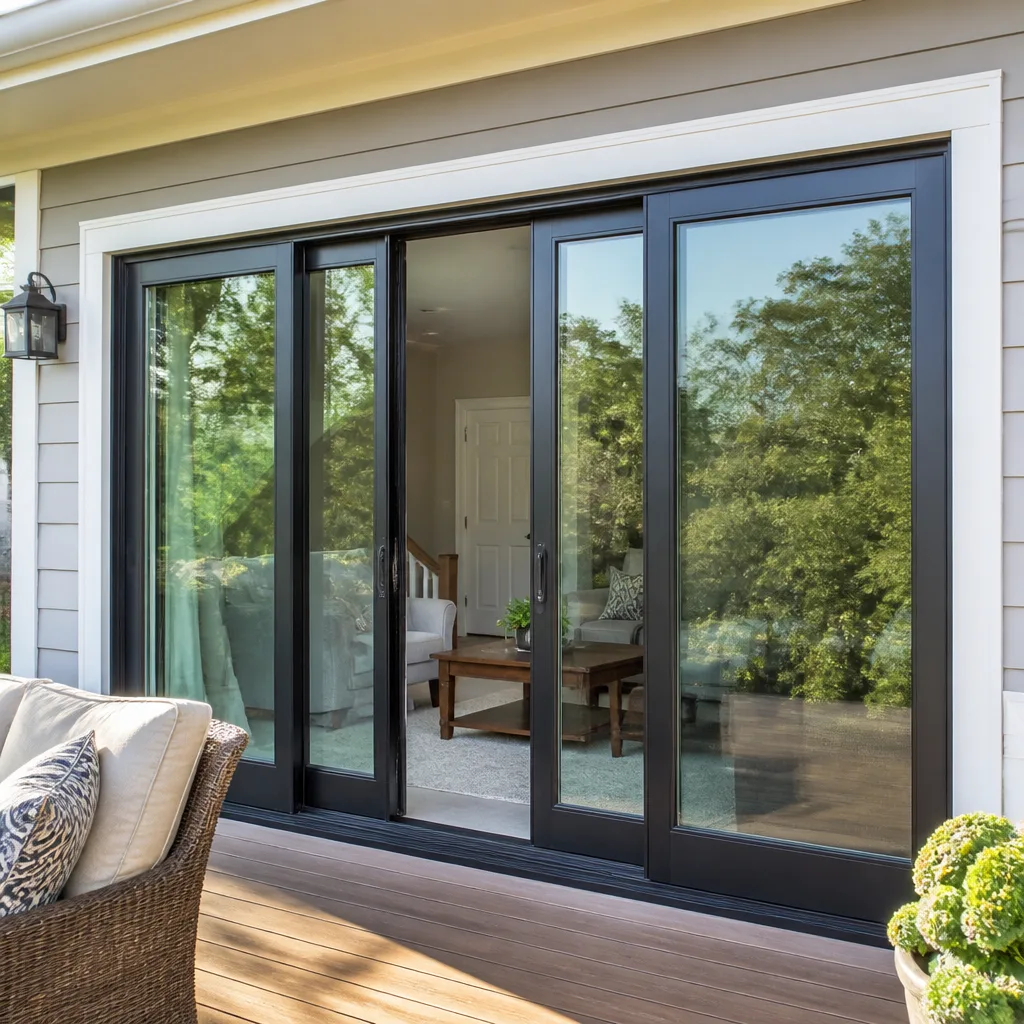 Sliding glass doors
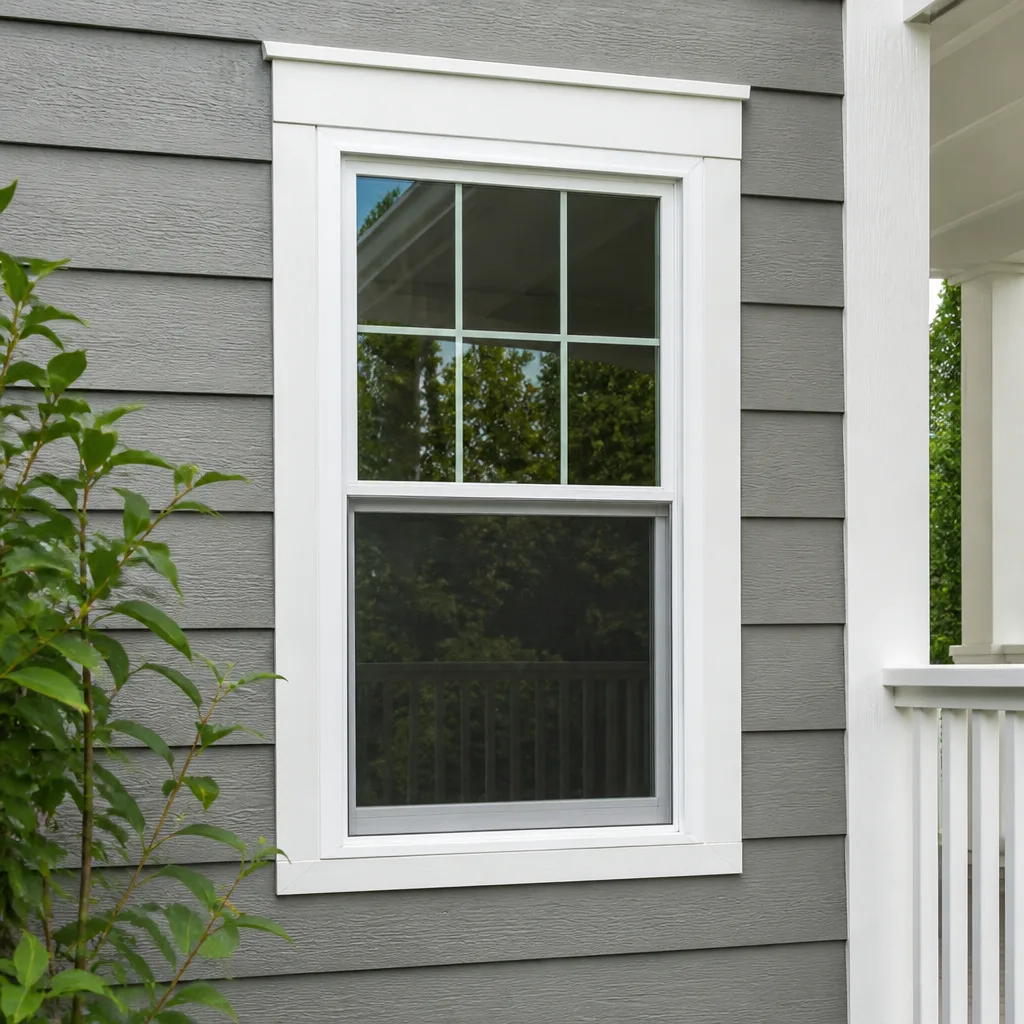 Single hung
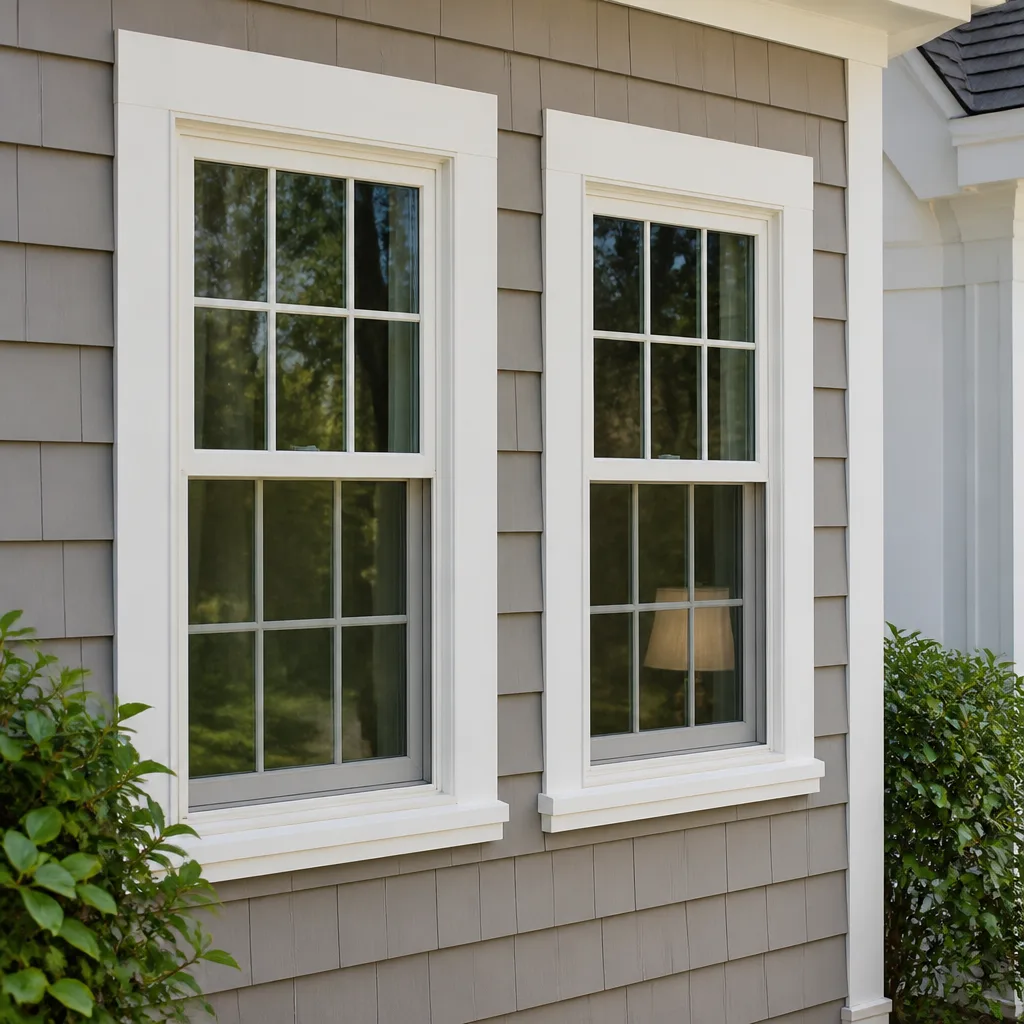 Double hung
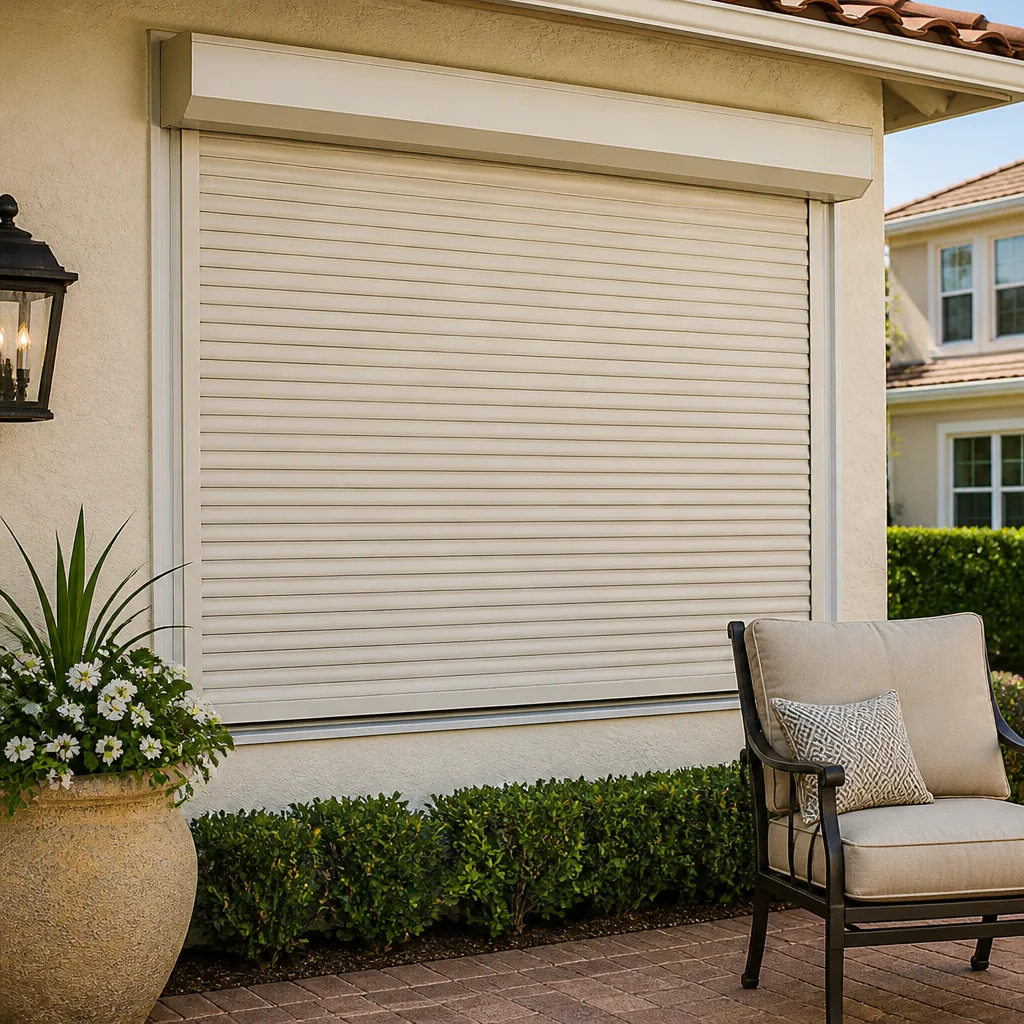 Horizontal roller
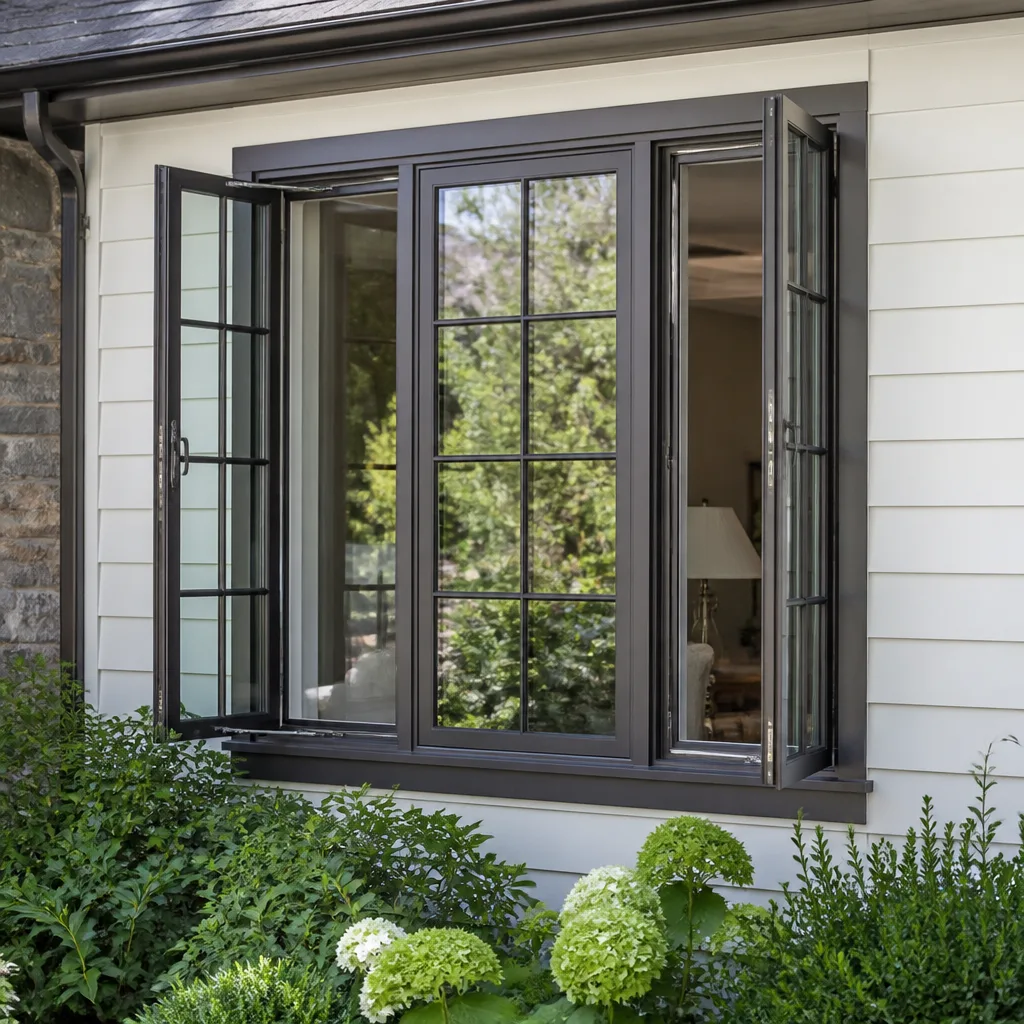 Casement
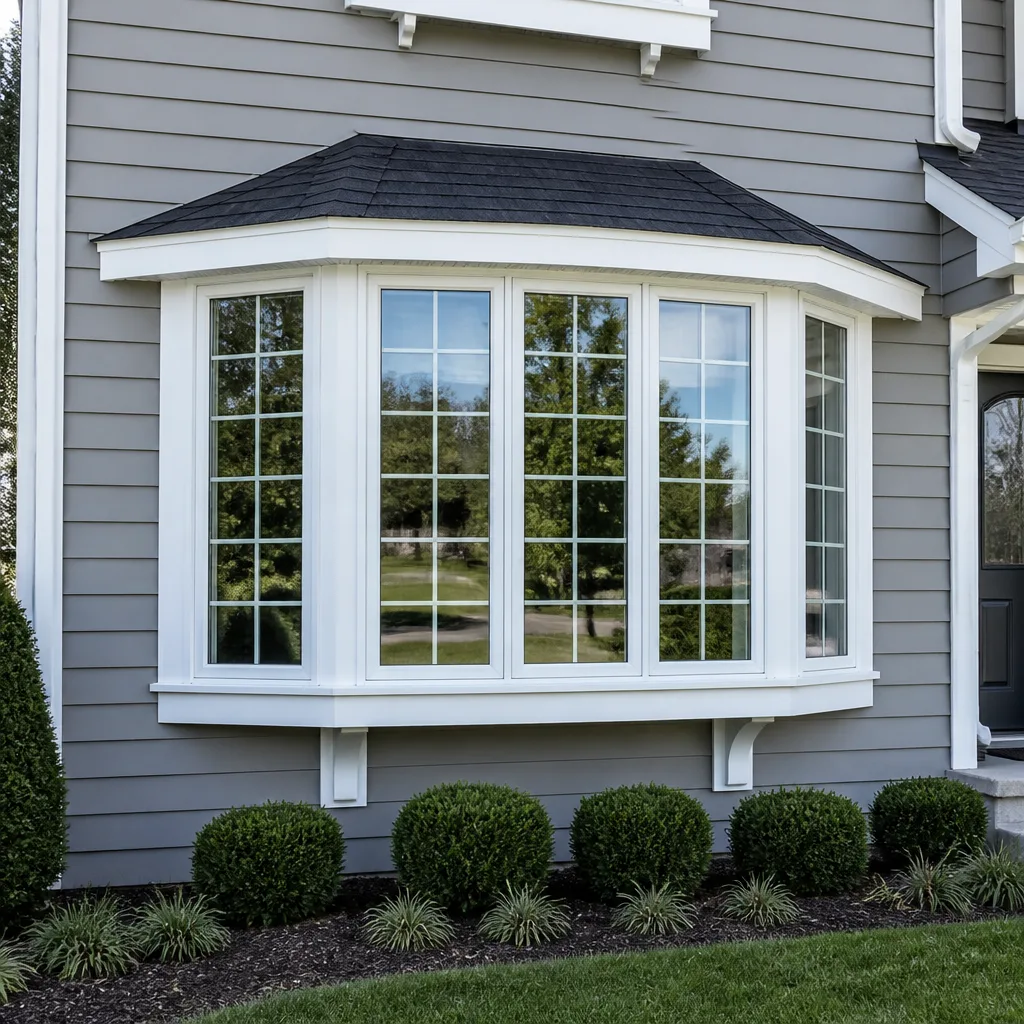 Bay & bow
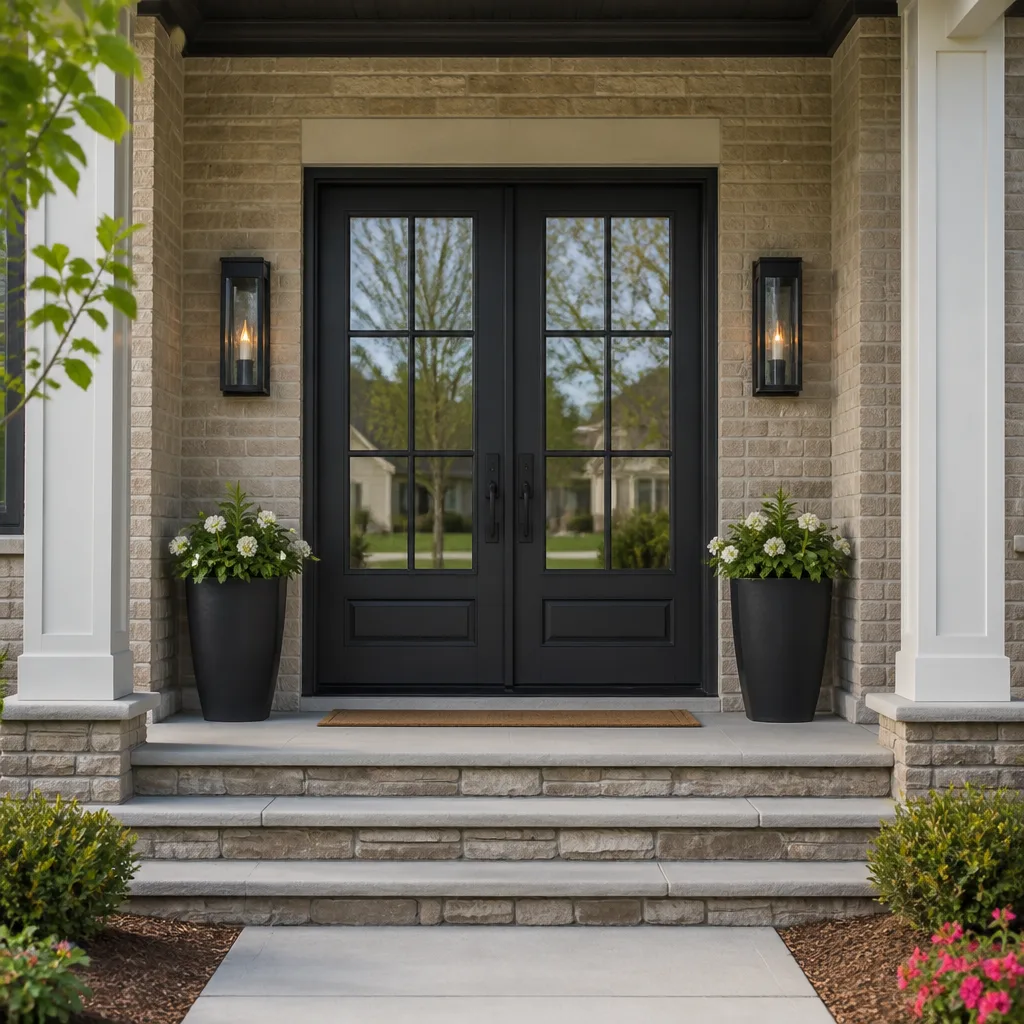 Entry doors
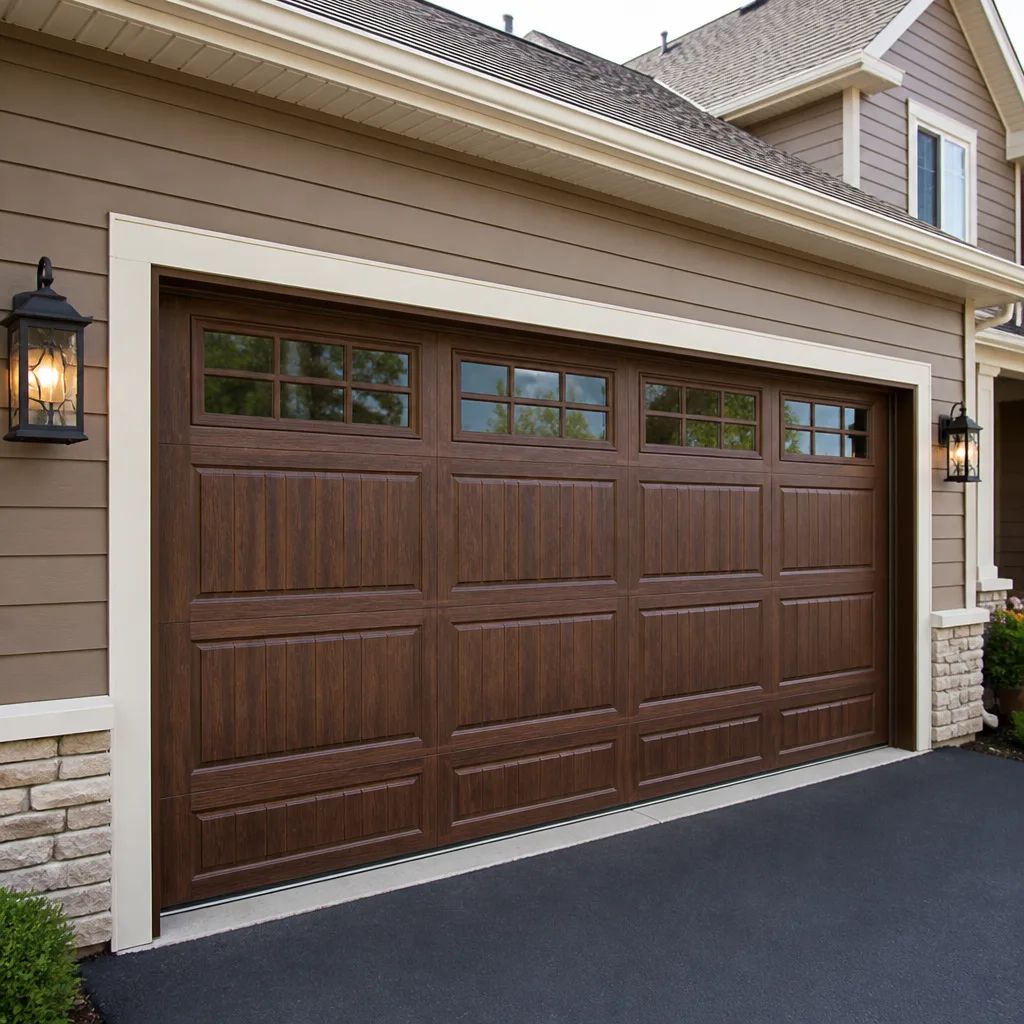 Impact garage doors
 PGT
PGT CGI
CGIFree in-home measure and quote - PGT, CGI and CWS impact lines compared on your actual openings, style by style
Get your free estimateDIY vs Professional Windows & Doors: The Long Beach Homeowner’s Decision Guide
California law allows a homeowner to pull their own permit and install their own windows. What the permit office will not tell you is that many window manufacturers will not honor a warranty on a self-installed unit, and what the YouTube tutorial will not tell you is that a stucco home in Long Beach does not forgive a single flashing mistake. This guide walks through the real math of doing it yourself versus hiring a pro, including the three Long Beach conditions that change the picture entirely: stucco integration, Title 24 inspections, and coastal manufacturer warranty requirements. By the end, you will know exactly which five tasks you can safely handle yourself, and which jobs are legally and financially smarter to hand to a licensed installer.
Styles & brands we work with
Quick Answer
For most Long Beach homeowners, professional window and door installation is the better financial and legal decision, not because the work is beyond a capable DIYer, but because a self-install on a stucco home voids most manufacturer warranties, requires passing a Title 24 inspection on your own, and becomes a seller-disclosed defect if anything goes wrong. The tasks worth doing yourself are narrow but real: screen replacement, weatherstripping, hardware swaps, and re-caulking interior trim. Anything that involves removing the old window frame from the wall belongs in the hands of a licensed contractor with a written warranty.
Table of Contents
- The Warranty Problem Nobody Mentions
- Why Stucco Changes the DIY Math in Long Beach
- Title 24 Inspection: The Test a YouTube Video Won’t Prep You For
- The Real Time-and-Material Audit for One DIY Window
- Five Window and Door Tasks You Can Legally and Safely Do Yourself
- Where the Work Crosses Into Licensed-Contractor Territory
- How to Evaluate a DIY Window Kit Against NFRC and Title 24 Requirements
- The Warranty Transfer Question: Asset or Disclosure Item?
- Common Mistakes to Avoid
- When to Call a Professional
- Frequently Asked Questions
- The Bottom Line
The Warranty Problem Nobody Mentions
Here is the uncomfortable fact at the center of the DIY window question: most major window manufacturers, including the ones we carry at Lightwell Windows Long Beach, write their warranty documents with a clause that requires installation by a licensed contractor. The specific wording varies by brand, but the effect is the same. If the seal fails on a self-installed unit five years in, the manufacturer’s first question is whether a licensed professional did the install. When the answer is no, the claim typically ends right there.
This matters more in Long Beach than in inland cities because coastal moisture accelerates seal failure. We regularly see fogged glass and failed seals in homes within two miles of the water, where salt air and marine fog work on every exterior component year-round. A window that would last twenty years in Bakersfield might fail in twelve in Belmont Shore. When it fails, the warranty is the only thing standing between you and paying for a full replacement out of pocket. A DIY install trades a few hundred dollars in labor savings for the full cost of the unit if anything goes wrong.
The math becomes clearer when you look at actual numbers. A mid-range vinyl window for a Long Beach home runs between $400 and $700 per opening for the unit alone. A professional installation adds roughly $200 to $400 per opening, depending on the condition of the existing frame and whether stucco repair is needed. That installation line item is what buys the warranty coverage, the flashing detail work, and the accountability if the opening leaks during a winter storm. Skip it, and you are self-insuring a component that faces salt air, direct sun, and periodic rain.
Why Stucco Changes the DIY Math in Long Beach
Long Beach is a stucco city. Drive through Los Altos, Bixby Knolls, or the Plaza and you will see the same three-coat stucco exterior on home after home, a building method that works beautifully in the Southern California climate but behaves terribly when someone cuts into it without understanding how it sheds water. Stucco is not a waterproof surface. It is a water-shedding system that relies on a secondary layer of building paper or house wrap beneath it, and on flashing details that direct water away from the opening and down the wall. When a window is replaced incorrectly, water gets behind the stucco, and the damage shows up months or years later as rot, mold, or interior staining.
The standard DIY window replacement video shows a vinyl-sided home in the Midwest. The installer cuts the old window out, drops the new one in, levels it, screws through the flange, and re-trims the exterior. That sequence does not work on a stucco home in Long Beach, because there is no flange exposure to screw through. A stucco installation requires either a retrofit window designed for a stucco opening, or a full-frame replacement that involves cutting back stucco, integrating new flashing, and patching the exterior to match. The retrofit route requires precise measurements to within an eighth of an inch. The full-frame route requires stucco patching skills most homeowners have never practiced.
We have seen DIY retrofits in Long Beach where the homeowner measured the interior opening instead of the exterior stucco return, and the window arrived two inches too narrow. We have seen homeowners caulk the entire perimeter of a retrofit window as a substitute for proper flashing, which traps water inside instead of releasing it. And we have seen stucco patches that crack within a year because the homeowner did not know to use a bonding agent between the old stucco and the new coat. Each of these failures costs more to fix than the original professional installation would have cost.
Title 24 Inspection: The Test a YouTube Video Won’t Prep You For
California’s Title 24 energy code applies to every window replacement in Long Beach, whether the work is done by a homeowner or a contractor. When you pull an owner-builder permit, you are responsible for meeting the same code requirements that a licensed installer meets on every project: the right U-factor for the climate zone, the right solar heat gain coefficient for the window’s orientation, and the right documentation proving the unit meets those specs. Long Beach sits in climate zone 6, which has specific requirements for both north-facing and south-facing glazing.
The inspection itself is not a formality. A Los Angeles County building inspector will check that the window is flashed correctly, that the unit matches the NFRC label on file with the permit, and that the installation does not create an air leak. If the inspector finds an issue, you correct it and schedule a re-inspection. If the issue is a code violation, the correction might mean removing the window you just installed. We have spoken with Long Beach homeowners who spent a full weekend installing one window, failed the inspection, spent another weekend correcting the flashing, and paid a second inspection fee, only to realize the total time and cost exceeded what a professional would have charged.
There is also the matter of the owner-builder affidavit. When you pull your own permit, you sign a document stating that you are doing the work yourself and not acting as an unlicensed contractor. If you decide halfway through that the job is beyond you and hire someone to finish, the person you hire must be licensed, and the permit must be updated. Hiring an unlicensed handyman to finish a permitted window job puts you in violation of the permit terms and California contractor law.
The Real Time-and-Material Audit for One DIY Window
Let us walk through what a single retrofit window replacement actually costs a Long Beach homeowner doing the work themselves, using real price ranges for the Los Angeles County market in 2025. The point of this audit is not to discourage anyone from working on their home. It is to show what the full cost picture looks like when you include the tools most homeowners do not already own.
The window unit itself, ordered to size for a stucco opening, runs $450 to $750 for a mid-range vinyl retrofit window from a brand that meets Title 24 requirements. That price assumes you know the difference between a retrofit and a new-construction window, and that you measure the stucco return correctly. Order the wrong style or size, and you own it.
The tool list is where the cost surprises most first-timers:
- Caulk and sealant: $25 to $50 for a marine-grade exterior sealant rated for coastal exposure. The cheap acrylic caulk from the big-box store will not hold up to Long Beach’s salt air.
- Backer rod: $10 to $20, required for any gap larger than a quarter inch between the window and the stucco opening.
- Shims: $15 to $30 for composite shims that will not compress over time, plus the knowledge of where to place them so the window does not bow.
- Level and measuring tools: $40 to $100 if you do not already own a four-foot level and an accurate tape measure. A window installed out of level by even a quarter inch will bind when operated.
- Oscillating multi-tool with carbide blade: $80 to $150 if you need to cut old caulk or trim back the stucco return. This is the single most commonly missing tool in a DIY window job.
- Impact driver: $100 to $180 for driving screws into the wood bucks inside a stucco opening. A standard drill will strip the screws or fail to seat them fully.
- Disposal: $30 to $75 for the old window, depending on whether you can haul it to the Long Beach refuse center or need a pickup load.
The time estimate is where DIY projections are most consistently wrong. An experienced installer replaces a retrofit window in a stucco opening in two to three hours, including cleanup. A first-time DIYer should plan for six to eight hours on the first window, assuming no stucco damage is discovered when the old unit comes out. Add an hour for the permit office visit, two hours for the inspection, and the total project time for one window lands at roughly ten hours. At the median Long Beach household income, that is $400 to $600 of your own time, before any material costs. The professional installation line item of $200 to $400 per opening starts to look like a bargain.
Five Window and Door Tasks You Can Legally and Safely Do Yourself
Not everything requires a contractor. California law draws a clear line between repair and replacement, and the repair side is wide open to homeowners. These five tasks are genuinely safe, genuinely DIY-appropriate, and genuinely common in Long Beach homes.
- Screen replacement. Window screens fail constantly in Long Beach, especially on homes with pets. A new screen frame kit costs $20 to $60 per window, takes under an hour, and requires no permit and no license. The only skill involved is cutting the spline cleanly so the screen sits flat.
- Weatherstripping replacement. The adhesive-backed foam strips on older doors and windows compress over time and stop sealing. Replacement foam or V-seal runs $10 to $30 per opening and makes an immediate difference in drafts and dust intrusion. Measure the gap first: foam works for gaps up to a quarter inch, V-seal for gaps above that.
- Hardware swaps. Replacing a window crank, a door handle, or a sliding door roller is the mechanical equivalent of changing a light fixture. The parts are brand-specific, so bring the old hardware to the store or match the manufacturer’s part number. Most residential hardware swaps take under an hour and carry no structural risk.
- Interior re-caulking. The caulk bead around interior window and door trim cracks as the house settles and the seasons change. Scraping out the old caulk and applying a fresh bead of paintable interior caulk is simple, requires no permit, and costs under $15 per opening.
- Door threshold adjustment. Many sliding doors and entry doors have adjustable thresholds that can be raised or lowered with a screwdriver or hex key. If the door is dragging or leaving a gap, adjusting the threshold is a fifteen-minute fix. If the door is binding in the frame or the frame itself is out of square, stop and call a professional, because that indicates a structural issue.
These five tasks cover the vast majority of what a Long Beach homeowner will actually face between replacements. Everything beyond this list, and we will be specific about what that means in the next section, moves into territory where the law, the warranty, or the risk profile changes.
Where the Work Crosses Into Licensed-Contractor Territory
California Business and Professions Code section 7048 permits an owner-builder to pull permits and perform work on their own residence, but it does not permit the same owner to perform work that requires a specialty license without holding that license. The distinction matters for window and door work in a few specific ways. Glazing contractors hold a C-17 specialty license for exactly the kind of work being discussed here, and the licensing requirement exists for a reason: window installation failures create water intrusion, and water intrusion destroys homes.
A full-frame window replacement, where the old frame is removed down to the rough opening and a new unit is installed with new flashing, is the clearest line into licensed territory. This is not a retrofit. It involves structural exposure, flashing integration, and often stucco patching. In our experience, most Long Beach homeowners who attempt a full-frame replacement alone wish they had not. The stucco patch alone is a multi-day process if you want it to match the existing wall texture.
Door installation crosses into licensed territory whenever the rough opening changes. Swapping a slab door into an existing frame is a homeowner job. Enlarging a rough opening for a wider door, or replacing a door that includes a sidelight, or installing a pre-hung exterior door where flashing is required under the threshold, all require a permit and, realistically, a licensed installer. The threshold flashing detail on an exterior door in Long Beach is unforgiving: get it wrong and the first winter rain water-wicks under your flooring. Get it wrong on a second-story deck door and the water damage can extend to the ceiling below.
There is also the question of multi-story work. Replacing windows on a second or third story requires ladder or scaffold work, and falls from ladders are the leading cause of home-related injury in the United States. A single slip while carrying a fifty-pound window is not worth the savings. The OSHA rules that govern professional crews do not apply to homeowners, but that does not make the fall less painful.
How to Evaluate a DIY Window Kit Against NFRC and Title 24 Requirements
Online retailers now sell “DIY window kits” marketed specifically to homeowners who want to skip the contractor. Some of these kits are legitimate retail versions of professional units. Others are off-spec windows that would never pass a Title 24 inspection in Los Angeles County. Here is how to tell the difference before you spend the money.
The first thing to check is the NFRC label. The National Fenestration Rating Council label is the white sticker on every code-compliant window in the United States, and it lists the U-factor, solar heat gain coefficient, and visible transmittance of the specific unit. If the window kit you are considering does not have an NFRC label, or the seller cannot provide the ratings, the unit is not code-compliant for installation in Long Beach, and a building inspector will reject it on sight.
The second check is the Title 24 requirement for climate zone 6. Los Angeles County enforces maximum U-factor and solar heat gain coefficient values that vary by window orientation. A window rated for Florida, where the concern is hurricane impact and solar heat, may not meet California’s energy requirements. The seller should be able to state the climate-zone ratings. If they cannot tell you what climate zone the window is rated for, you are shopping in the wrong place.
The third check is the warranty language. Read the manufacturer’s warranty document before you buy, not after the window fails. Look for the installation clause. If it requires licensed installation, your DIY savings are now a liability. Some manufacturers offer a reduced warranty for owner-installed units. Some offer none. Know which one you are buying before the card is charged.
The Warranty Transfer Question: Asset or Disclosure Item?
Long Beach is a seller’s market in most years, with homes in Naples, Belmont Heights, and Park Estates changing hands quickly when they are priced right. In that market, the transferability of a window warranty is a documented asset, and the absence of one is a disclosure item. The distinction matters when the buyer’s home inspector asks questions.
A professionally installed window from a manufacturer like CWS, ES Windows, or ECO Window Systems typically carries a warranty that transfers to the new owner, either automatically or for a small transfer fee. The transfer language varies by brand, but the existence of the warranty is a line item on the seller’s disclosure that says: these windows are covered, here is the documentation. That is an asset. It shortens the buyer’s question list and signals that the home was maintained to a standard.
A DIY window replacement is the opposite. There is no installation warranty, because no contractor did the work. The manufacturer’s warranty is typically voided by the owner-builder installation, which means the seller must disclose that the windows are not covered. The buyer’s inspector will note the missing NFRC documentation or the after-market caulk line, and the buyer will ask for a credit or a repair. What the homeowner saved on installation now gets paid back in the sales negotiation, plus interest.
If you are planning to sell a Long Beach home within five years, professional window installation is not an expense. It is a transferable improvement that moves with the property. The Window Replacement in Long Beach page explains what a full replacement project looks like from start to finish, including the documentation you receive for your records and for the eventual sale.
Common Mistakes to Avoid
- Measuring the wrong opening. Retrofit windows are sized to the exterior stucco return, not the interior drywall opening. Measuring from inside the house is the single most common DIY error we see in Long Beach, and it produces an unusable window that most retailers will not accept for return.
- Assuming the existing flashing is fine. The old window comes out, the interior of the rough opening looks dry, and the homeowner decides to skip the flashing work. The problem is that the old flashing may have been failing slowly for years, and a new window installed over it will not fix the leak.
- Skipping the permit. Los Angeles County cross-references window orders and contractor filings against permit records. An unpermitted window replacement becomes a disclosure item at sale and can trigger a retroactive permit process that is more expensive than the original permit would have been.
- Using interior caulk on the exterior. Interior acrylic caulk breaks down in UV exposure and constant moisture. Long Beach’s coastal sun will crack it within a year, and the resulting air gap will drive up your energy bills while inviting water intrusion.
- Hiring an unlicensed installer to save money. The savings disappear the first time something goes wrong, because an unlicensed worker has no bond, no insurance, and no license to answer for. California law provides protections for homeowners who hire licensed contractors, and none for those who do not.
- Replacing windows one at a time without a plan. Window styles and sizes change, and manufacturers discontinue lines. Replacing a single window now and three more two years later can leave you with mismatched units that no longer match in color or profile. A phased plan with a consistent product line is worth the conversation.
- Ignoring the bathroom and kitchen ventilation question. Some Long Beach homes have operable windows that serve as required ventilation in bathrooms and kitchens. Replacing them with fixed units creates a code violation that the Title 24 inspector will flag.
When to Call a Professional
Call a professional when the job involves removing the window frame from the wall, when the home is stucco-clad and the install requires flashing integration, when the project is on a second story or higher, when the opening is in a bathroom or kitchen with code-mandated ventilation, or when you simply do not want to spend two weekends and an unexpected $300 in tools on a job that a licensed crew completes in an afternoon. Lightwell Windows Long Beach offers free estimates in Long Beach, and every price is written down before any work starts. Call (562) 912-3327 to schedule yours. A light well is what brings daylight deep into a building, and that is exactly what a well-installed window should do for your home.
Frequently Asked Questions
Most window replacement projects in Long Beach run between $600 and $1,100 per opening, depending on the window type, the condition of the existing frame, and whether stucco repair is needed. The unit itself accounts for $400 to $700 of that range, with installation labor, flashing, and disposal making up the rest. Call (562) 912-3327 for a free written estimate specific to your home.
Yes, California law allows an owner-builder to pull a permit and install windows in their own home. The permit is still required, the work still must pass a Title 24 inspection, and most manufacturer warranties will not cover a self-installed unit. The legality is not the question; the warranty and the inspection are the questions.
Yes, window replacement requires a permit in Long Beach even when the new unit is the same size as the old one. The permit ensures the replacement meets current Title 24 energy standards, which have changed substantially since most of Long Beach’s housing stock was built.
A retrofit window fits inside the existing stucco or wood opening and leaves the original frame in place. A full-frame replacement removes the old frame down to the rough opening and requires new flashing, new trim, and often stucco patching. Retrofit is faster and less expensive; full-frame is necessary when the existing frame has rot, water damage, or structural problems.
Look for condensation between the glass panes, difficulty opening or closing, visible light gaps around the frame, drafts you can feel on a cool evening, or visible rot at the lower corners of the frame. In Long Beach’s coastal climate, seal failure typically shows up first as fogging between panes on west- and south-facing windows.
Yes. Lightwell Windows Long Beach offers free written estimates for window and door replacement in Long Beach and surrounding areas. Every estimate includes a written price before any work starts, and every job is covered by the 365-Day Done Right Promise. Call (562) 912-3327 to schedule yours.
The Bottom Line
The DIY-versus-professional decision for Long Beach windows and doors comes down to three local realities that generic advice does not cover. Stucco construction demands flashing skills that YouTube tutorials do not teach. Title 24 inspections demand documentation and code knowledge that owner-builders must supply on their own. And manufacturer warranties demand licensed installation before they will pay a claim. The tasks worth doing yourself are the small ones: screens, weatherstripping, hardware, interior caulking. The tasks worth hiring a licensed crew for are the ones that touch the wall, the water barrier, or the permit office. For a Lightwell Windows Long Beach home with stucco walls and coastal exposure, professional installation is not the expensive option. It is the option that comes with a warranty, a transferable improvement, and a written price before the first tool is picked up. For Window Installation in Long Beach and Door Installation in Long Beach, we are here to give you a straight answer and a straight price.
Written by Keith Yamada, Owner at Lightwell Windows Long Beach, serving Long Beach since 2010. Browse more guides & resources for Long Beach homeowners.
See the difference
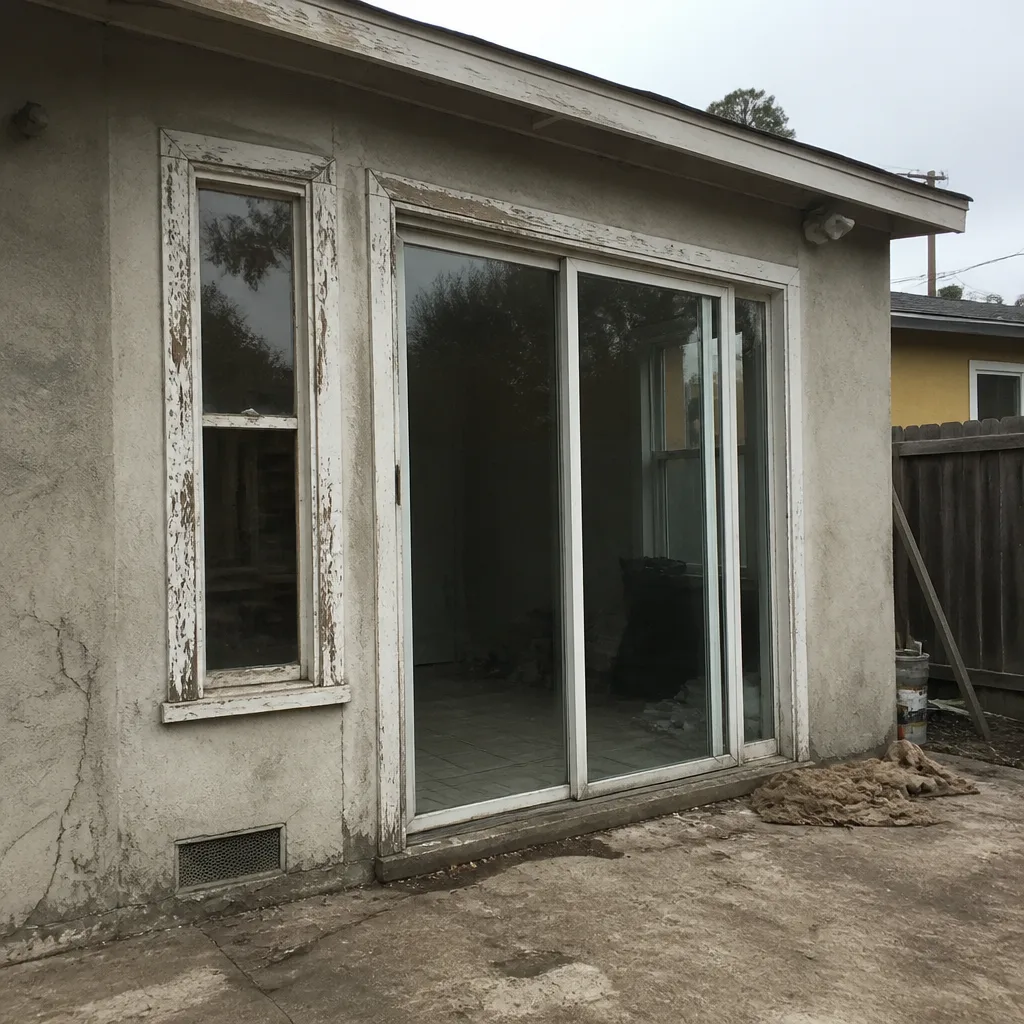 Before
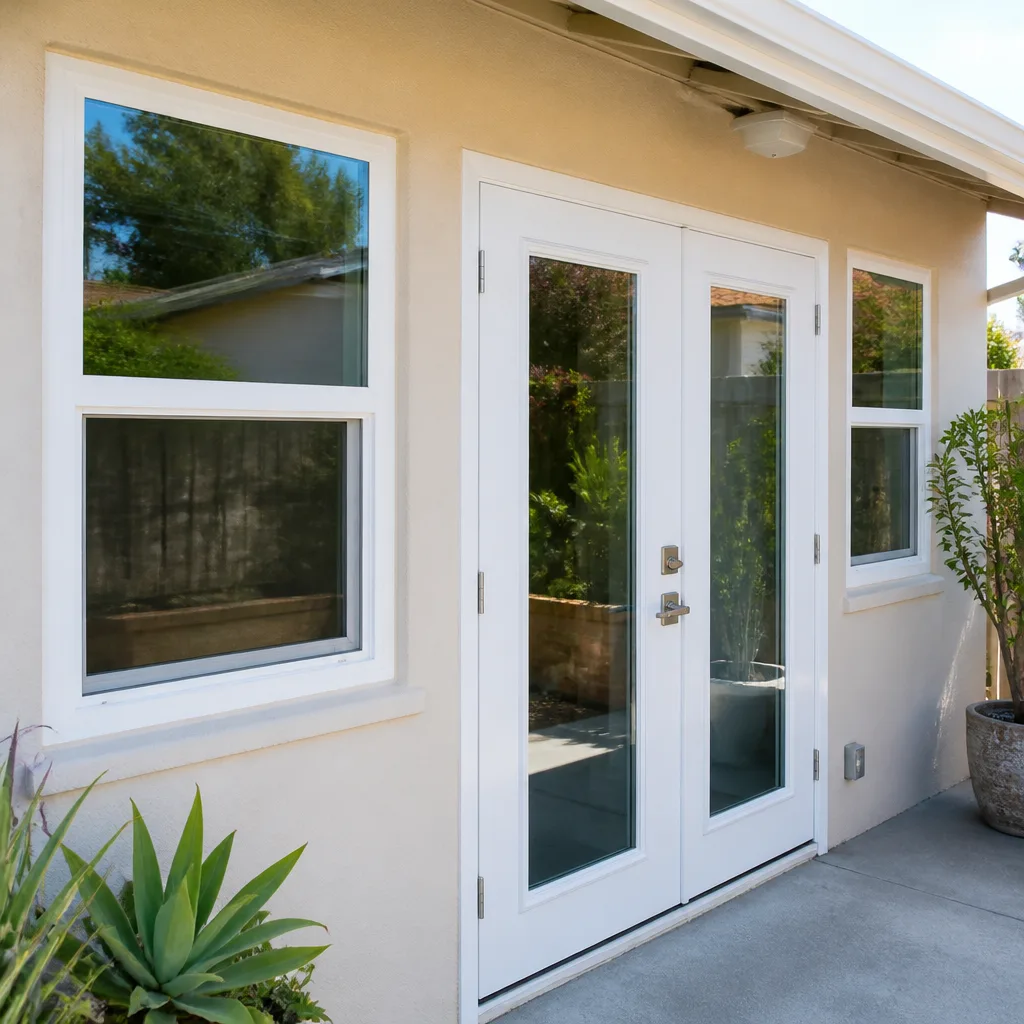 After
After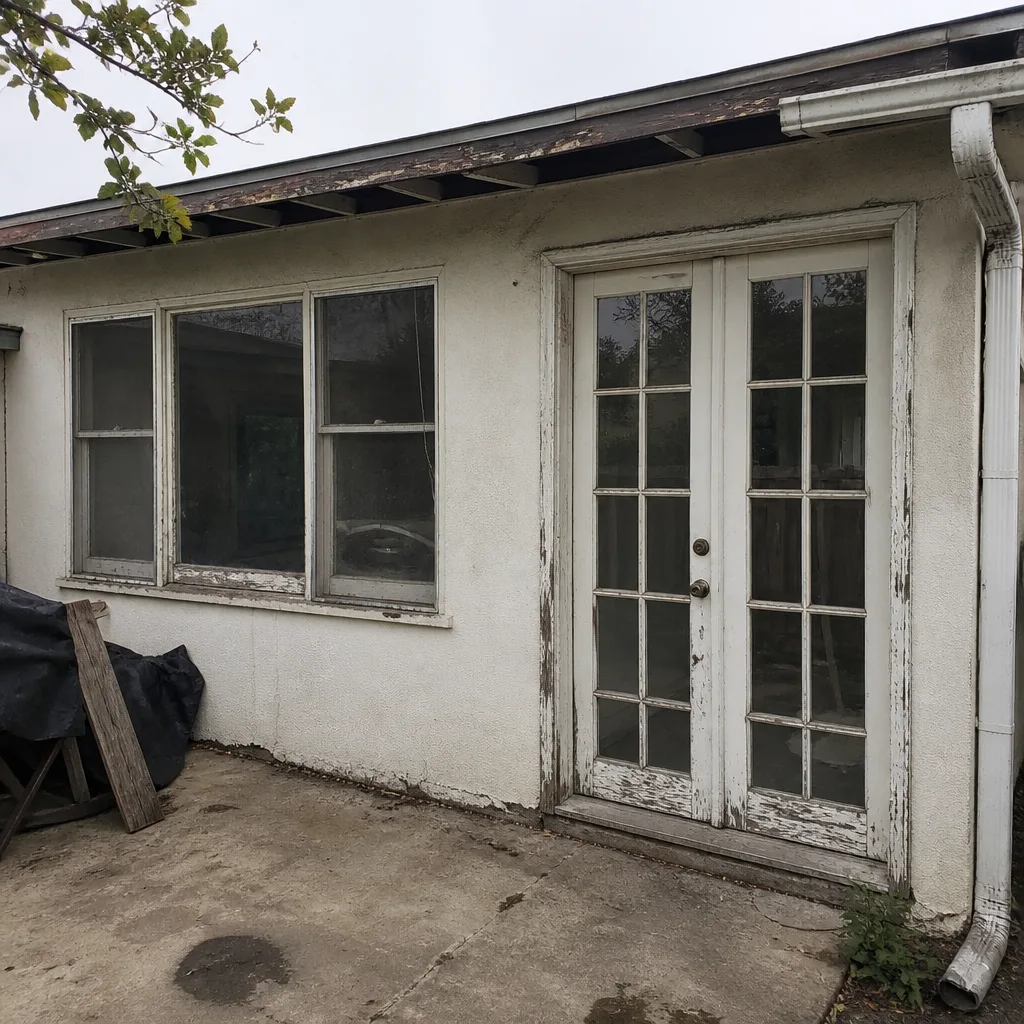 Before
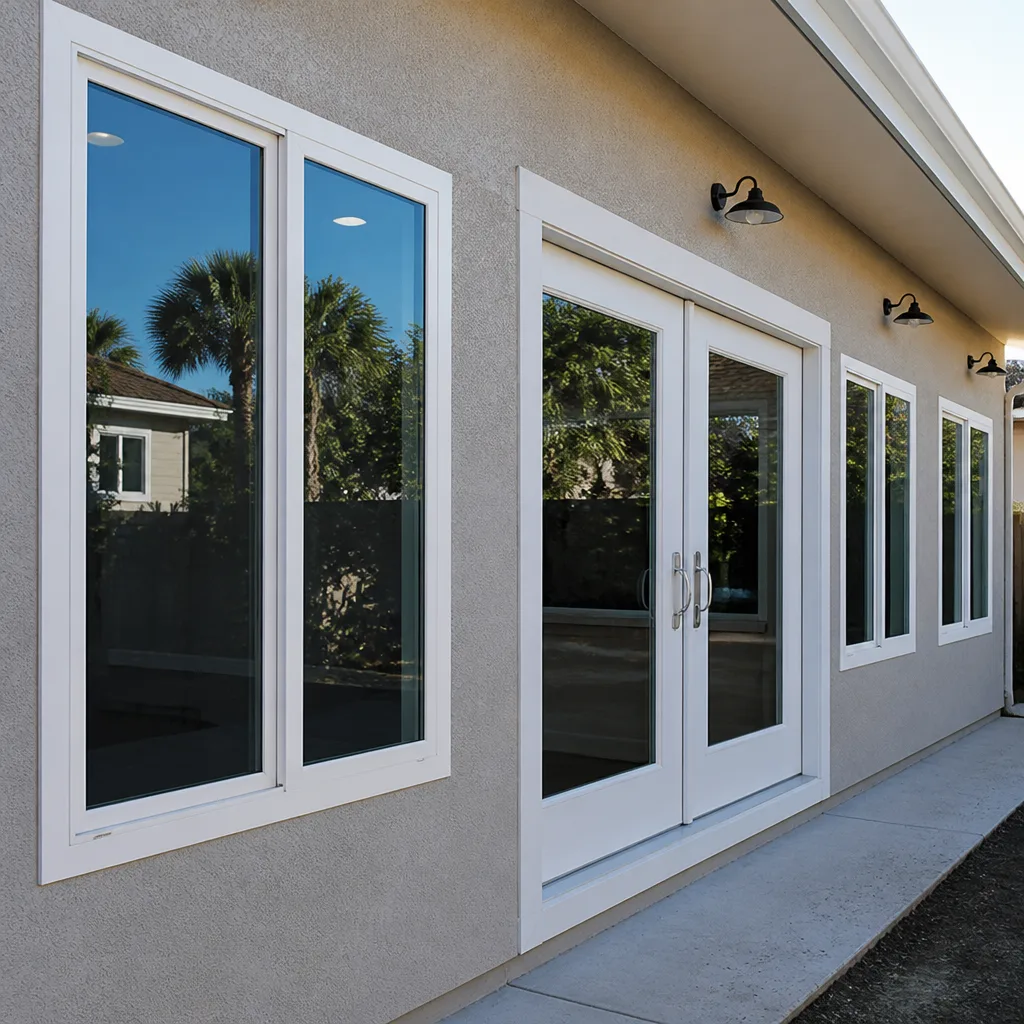 After
After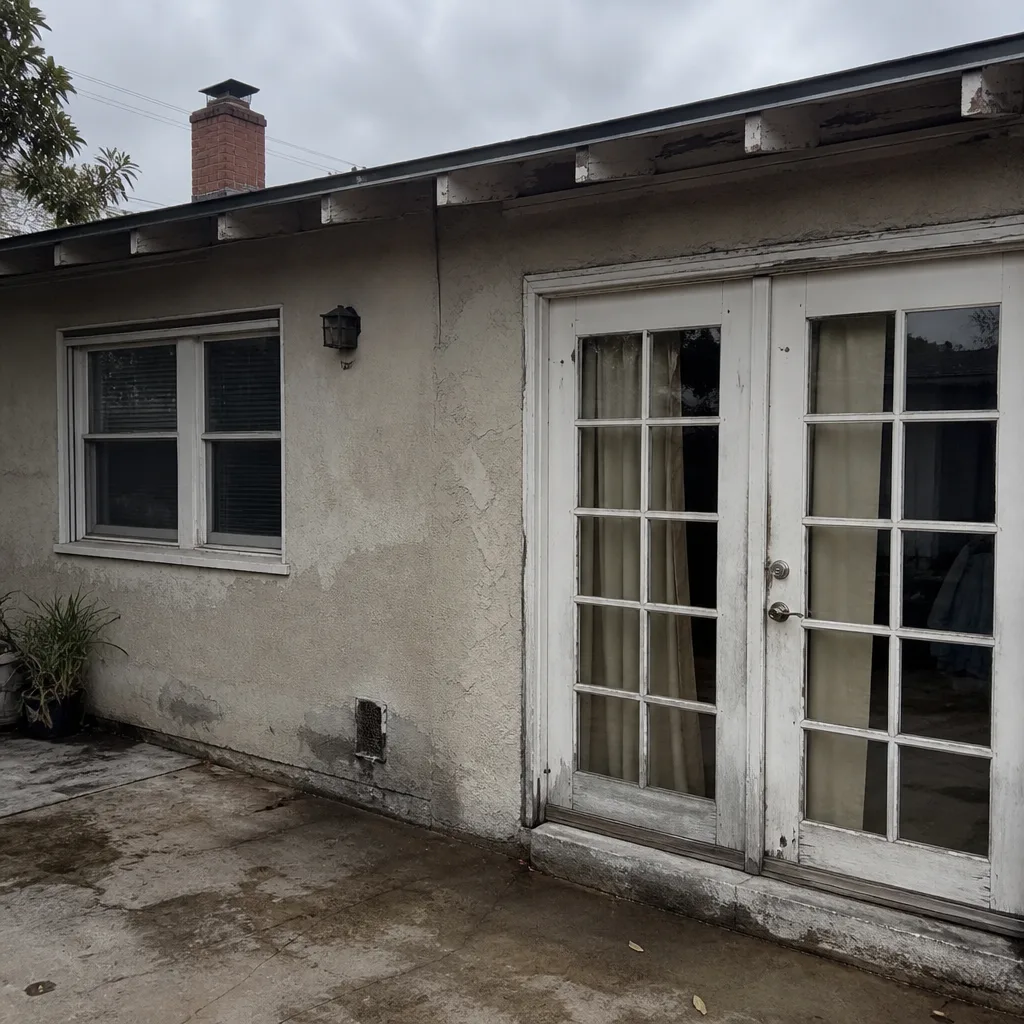 Before
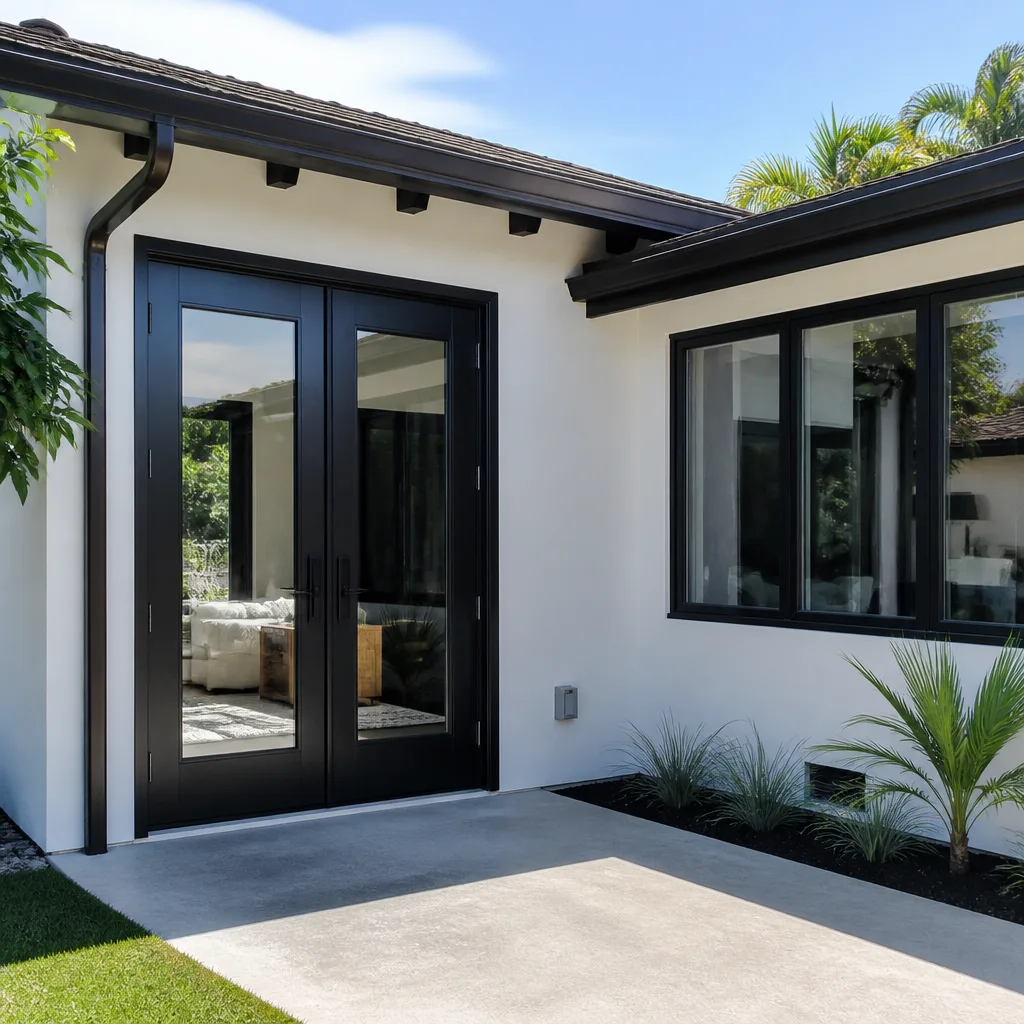 After
AfterSix Reasons Homeowners Choose Lightwell Windows Long Beach
Laminated glass and reinforced frames hold up to wind-driven rain, hail and flying debris, so your openings stay sealed when the weather turns.
Low-E insulated impact glass from our manufacturer lines commonly cuts monthly cooling bills 20-30%.
Laminated impact glass shuts out up to 40% of outside noise - traffic, neighbors, weather.
Monitoring services run $30-90 a month. Laminated impact glass resists forced entry around the clock, with no subscription.
Tighter seals and insulated glass even out hot and cold rooms and stop the drafts at the frame.
A full impact package upgrades curb appeal, buyer confidence and appraised value in one project.