
Last updated October 17, 2026
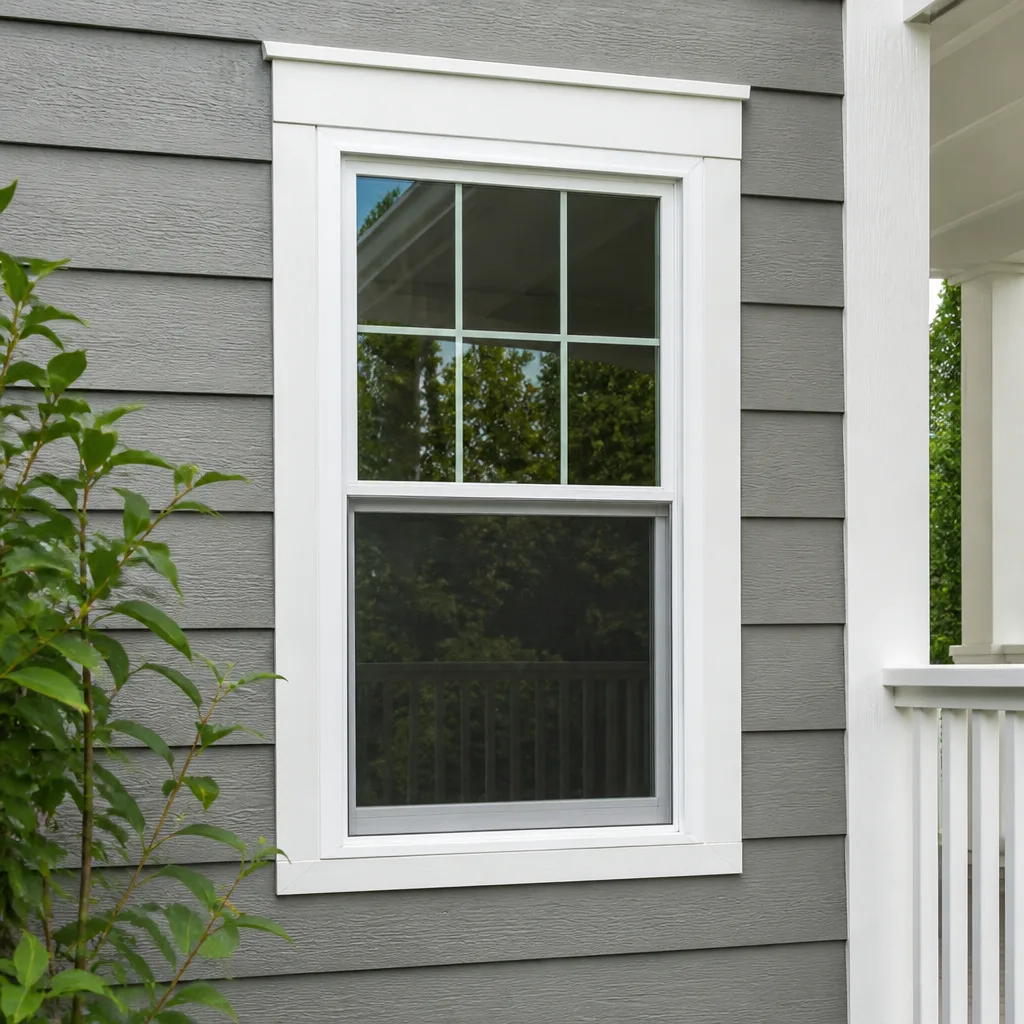 Single hung
 Double hung
 Horizontal roller
 Casement
 Bay & bow
 Sliding glass doors
 Entry doors
 Impact garage doors
 PGT
PGT CGI
CGIFree in-home measure and quote - PGT, CGI and CWS impact lines compared on your actual openings, style by style
Get your free estimateWindow Replacement Maintenance Checklist for Long Beach Homeowners
A window replaced correctly in Long Beach can still fail within three years if two small weep holes get clogged with salt residue. It’s a four-minute fix that costs nothing, yet most installers never mention it at the final walkthrough. This guide is built around the specific failure sequence that happens to Long Beach windows after installation: salt deposits, weep-hole blockage, and frame-to-stucco separation, each arriving at a predictable interval. If you’re considering our Window Replacement services, understanding these local failure patterns helps you plan smarter. By the end, you’ll know exactly what to check each month, which cleaning products to avoid, and how to protect your manufacturer warranty with documented upkeep.
Quick Answer
Window maintenance in Long Beach comes down to three tasks most guides gloss over: clearing weep holes monthly during the dry season, rinsing salt residue off frames and glass every four to six weeks, and inspecting the stucco-to-frame caulk joint twice a year, especially after the Santa Ana wind season. A homeowner who follows a simple month-by-month calendar based on Long Beach’s actual weather, not generic spring and fall seasons, will catch every preventable failure before it becomes a leak or a fogged glass unit. The full checklist below walks through each step, what it costs, what to skip, and when to call a professional.
Styles & brands we work with
Table of Contents
- 1. Why Salt Residue Is the Silent Frame Killer in Long Beach
- 2. The Three Weep-Hole Locations (and What a Blocked One Looks Like)
- 3. The Month-by-Month Maintenance Calendar Tied to Long Beach Weather
- 4. How to Inspect the Stucco-to-Frame Joint (Before It Splits)
- 5. Which Cleaning Products Corrode Vinyl, Fiberglass, and Aluminum Differently
- 6. When Maintenance Crosses Into Warranty-Voiding Territory
- 7. How to Document Your Upkeep to Protect the Manufacturer Guarantee
- 8. Seasonal Tasks Most Checklists Get Wrong in Long Beach
Why Salt Residue Is the Silent Frame Killer in Long Beach
Long Beach sits close enough to the Pacific that marine air pushes salt particles inland every day, and they do not just land on your car. They settle into window tracks, collect on aluminum and fiberglass frames, and mix with the morning dew that forms on glass surfaces. Over time, that combination becomes a mildly corrosive paste that eats at powder coatings, pitted anodized aluminum, and the weep-hole channels themselves. We’ve pulled apart frames in Window Replacement in Long Beach projects where the exterior looked fine and the bottom track looked like a tide pool. The home was less than half a mile from the water, and the windows were only six years old. The difference between those and windows in the same neighborhood that held up for fifteen years came down to a rinse schedule. Salt alone does not destroy a window. Salt that is left to sit for months does. The fix is so simple that most installers skip it because it feels too basic to bother teaching: plain water, a soft brush, and about four minutes per window every four to six weeks from March through October. That is the single highest-return maintenance task for any Long Beach home with replacement windows, whether they came from PGT, ES Windows, or Mr-Glass.
What Salt Corrosion Actually Looks Like on Different Frame Materials
- Aluminum: White or gray pitting on the lower corners, especially where the frame meets the sill. Once the anodized layer is gone, the raw aluminum oxidizes into a chalky white film and never looks right again.
- Vinyl: A hazy film that will not wipe off with a dry rag, often concentrated on the bottom rail. Left long enough, it etches the surface and leaves a permanent dull streak.
- Fiberglass: The most salt-tolerant of the three, but the painted finish can still blister along the lower edge if salt paste is baked on by afternoon sun.
Long Beach’s marine layer means the salt film arrives at dawn and then gets baked on when the sun breaks through around noon. Rinse in the morning and you are removing residue. Scrub at noon and you are scraping baked salt into the finish. Timing matters.
The Three Weep-Hole Locations (and What a Blocked One Looks Like)
Weep holes are small drainage openings built into the bottom rail of a window frame. Their only job is to let water that gets past the exterior seal drain back outside instead of pooling inside the track. Most replacement windows have three, and in Long Beach they clog with a specific recipe: salt crystals, spider webs, and fine beach dust blown in from the dry riverbeds. A clear weep hole looks like a clean, dark rectangle or circle with daylight visible through it from the outside. A blocked one looks puffy, crusted, or filled with a gray-white paste.
- On a casement window: Look at the bottom horizontal rail on the exterior side. There are typically two weep holes near each corner, often hidden behind a small flap or screen cover. Open the casement fully and look down into the bottom track. Water should have a clear path to the outside.
- On a horizontal slider: The weep holes sit on the interior-facing bottom track and the exterior-facing bottom track. Slide the panel to the middle of its travel and crouch down. The drainage channel runs the entire length of the track, but the actual weep openings are usually at the two outside corners.
- On a double-hung: The weep holes are in the bottom sash, outside face, near each lower corner. On many vinyl and fiberglass double-hungs you will also find a secondary set in the sill track, which sometimes gets covered by the sash when closed. Lift the sash and check underneath.
To clear a weep hole, use a pipe cleaner, a folded business card, or a can of compressed air. Never use a metal pick, a straightened paperclip, or a screwdriver. One wrong jab and you puncture the drainage channel, at which point water drains into the wall cavity instead of the outside. That is a four-hundred-dollar mistake caused by a four-dollar tool. Rinse the hole with plain water after clearing, and watch that water exits on the exterior. If it does not, the channel itself may be compacted with salt, and that is the point where a service call beats guesswork. In our experience with homes in Alamitos Heights and Belmont Shore, salt compaction in weep channels is the most common hidden issue we find during Window Installation in Long Beach inspections.
The Month-by-Month Maintenance Calendar Tied to Long Beach Weather
Generic checklists tell you to “clean tracks in spring” and “re-caulk in fall.” Long Beach does not have a real spring or fall. It has a long dry stretch, a brief wet period, and a windy season that scours every exposed surface with sand and dust. The calendar below is built around when each maintenance task actually matters in this city.
January: Hurricane-Season Check (No, Really)
Long Beach gets most of its rain between December and March, and the worst single storms tend to hit in January and February. This is the month to test every window’s drainage while it is actually raining. Walk the house during the next storm with a flashlight and check each sill for standing water. If water is pooling in the track rather than draining, a weep hole is blocked and needs clearing before the next storm.
February: Caulk-Joint Visual Scan
February is when the stucco-to-frame joint gets stressed by repeated wet-dry cycles, and it is the most common month we see separated caulk beads. Walk the exterior with a notepad and mark every window where the caulk is pulling away from the stucco or the frame. A failed bead lets water run behind the frame, where it rots the rough opening in silence.
March: Salt Rinse Begins
As the marine layer pattern settles in and morning dew becomes consistent, start the monthly rinse schedule. Use plain water from a hose with a shut-off nozzle, not a pressure washer, and rinse all exterior frame surfaces and the glass. Focus on the bottom rail, where salt accumulates most heavily.
April: Wheel and Roller Inspection
With the dry season underway, slider rollers start accumulating fine grit and the window gets harder to open. Slide every operable sash open and closed ten times. If you feel rough spots, clean the bottom track with a soft-bristle brush and warm water, then lubricate the rollers with a dry silicone spray. Never use WD-40 or any oil-based product; it attracts sand and becomes grinding paste by June.
May: Screen Wash Month
Screens collect windblown dust, pollen, and salt film all spring. Remove each screen, lay it on a flat surface, and wash it with mild dish soap and water using a soft brush. Rinse with the hose and let it dry completely before reinstalling. A clean screen means better airflow, and better airflow means less condensation on the glass, which means less mold around the frame in fall.
June: Weep-Hole Deep Clear
By June, the combination of spring winds and low humidity leaves weep holes filled with compacted dust. Clear every weep hole in the house using the method in the section above, and follow the rinse with a quick exterior water test to confirm drainage.
July: Glass and Gas Fill Visual Search
Long Beach’s intense summer sun shows gas-fill failures earlier than any other condition. Look at each insulated glass unit from an angle on a bright afternoon. A failed argon or krypton fill shows as a slight distortion, like a heat shimmer, in the middle of the glass. You can not fix it, but catching it in year two or three means a warranty claim instead of a paid replacement in year seven.
August: Hardware Torque Check
Handles, locks, and hinges work loose every summer as hot-dry air shrinks wood and frame materials expand slightly. Test every operative handle and tighten any visible fasteners with a screwdriver. Do not overtighten; a stripped screw in a vinyl frame is annoying to repair and can void a warranty if you crack the frame around the fastener.
September: Pre-Santa-Ana Prep
The Santa Ana winds start building in September and peak from October through December. These winds carry mostly inland dust, but they also pick up dry salt from the exposed beach areas and sandblast every west-facing window in Long Beach. Rinse all frames and glass at the end of the month, then check that every screen is properly seated in its track. A loose screen in 40-mph winds will tear itself out and sail into a neighbor’s yard.
October: Drainage Test Before Rain Returns
Use a watering can or a controlled trickle from a hose to run water across the bottom of each exterior window track. Watch where it goes. Every window should drain water out through the weep holes within 30 seconds. If water sits or drains inward, you have a problem that needs attention before the rainy season.
November: Weatherstripping and Felt Check
The first cool, damp nights of the season are when compressed weatherstripping becomes obvious. Close each window and run your hand along the entire perimeter, feeling for drafts. Replace any compressed or brittle gasket now, not in January when it is storming and you are doing it with cold hands in the rain.
December: Full System Audit and Sleep-Tight Month
Run each window through its full cycle: open, close, lock, and operate the tilt or swing function if applicable. Note any roughness, play in the hardware, or failing sealant. If anything is questionable, schedule an inspection now. Long Beach’s winter storms arrive fast and hang around, and a window that fails in December will not get fixed easily until after the New Year.
How to Inspect the Stucco-to-Frame Joint (Before It Splits)
Long Beach has a lot of stucco exteriors. Stucco expands and contracts at a different rate than window frame materials, and the mechanical bond between the two is only as good as the flexible caulk that bridges them. Before any major work, check Windows & Doors Permits, Codes & Inspections in CA: What You Need to Know to avoid compliance surprises. Wood-sided homes flex with temperature swing and often tear caulk at the corners. Stucco does not flex. It cracks at the joint in long vertical runs, usually starting at the head or the sill, and once the bond is broken the existing caulk keeps tearing every time the stucco and frame move independently. The result is a slow leak that shows up as damp drywall around the window, peeling paint, or an earthy smell in the wall cavity that no air freshener touches.
- Stand back and look at the full perimeter of each window. A healthy caulk joint looks like a continuous bead with no gaps, no crumbling, no chalky residue, and no sections pulling away from either surface.
- Get close and press the bead with a fingernail. Supple caulk springs back. Old caulk feels hard, brittle, or spongy, and in those places it is already failing even if it still looks acceptable from ten feet away.
- Check the bottom corners and the head of the stucco joint first. Those are the two places where Long Beach stucco homes fail earliest because gravity pulls water there and the sun bakes the top edge all afternoon.
- Look for hairline cracks in the stucco itself, radiating from the window corner. That pattern means the stucco has already been stressed beyond its elastic range, and re-caulking alone will not stop the leak. The area needs to be patched, then re-caulked, in that order.
- If you see daylight through any gap, or if the bead has separated more than 1/8 inch, the joint is critically failed. Water will enter the wall with the next storm, no matter how well the weep holes drain. This is the point where a professional needs to cut out the old bead, clean both surfaces, and install a new backer rod and caulk. A well-done re-caulk on a Long Beach stucco window costs a fraction of the drywall and framing repair that follows a leak left unchecked.
Which Cleaning Products Corrode Vinyl, Fiberglass, and Aluminum Differently
The cleaning aisle at any Long Beach hardware store sells products that will destroy a replacement window. The labels will not tell you this. A bottle labeled “exterior surface cleaner” or “heavy-duty multi-surface” can contain solvents, acids, or abrasives that etch vinyl, strip fiberglass paint, and accelerate corrosion on aluminum in a salt-air environment. The marine air in Long Beach makes this worse, because chemical residue left on a frame mixes with salt and moisture and becomes more aggressive than either would be alone.
Vinyl Frames
- Never use: Acetone, paint thinner, mineral spirits, citrus-based degreasers, bleach solutions stronger than 10%, or any abrasive pad, including magic erasers. All of these etch or soften the surface, and once the gloss layer is gone, the frame holds dirt permanently.
- Safe: Warm water with a few drops of dish soap, applied with a microfiber cloth or a very soft brush. For tougher salt film, a 50/50 mix of white vinegar and water is safe on vinyl, but rinse thoroughly after.
Fiberglass Frames
- Never use: Steel wool, Scotch-Brite pads, ammonia-based glass cleaners that drip onto the frame, or any solvent stronger than isopropyl alcohol. Fiberglass has a painted finish, and aggressive cleaners strip it in long streaks, especially along the bottom rail where the product pools.
- Safe: The same warm water and dish soap mix works fine. For oxidized salt film on fiberglass, a paste of baking soda and water applied with a soft cloth, then rinsed completely, restores the finish without scratching.
Aluminum Frames
- Never use: Any product containing chlorides, including most bathroom and kitchen disinfecting sprays. In a salt-air city like Long Beach, adding chloride compounds to an aluminum frame that already sits in marine salt is how you turn a five-year cosmetic issue into a ten-year structural one.
- Safe: Plain water and a soft brush is ideal. If you must use a cleaner for stubborn deposits, use a pH-neutral car wash soap, not a degreaser. Rinse thoroughly and dry with a soft cloth to prevent water spotting in the sun.
The label on a cleaner will never mention Long Beach, and it will not warn you about salt-air environments. Trust the shortest ingredient list. If a cleaner lists solvents, acids, or chlorine compounds, keep it away from your windows. In the years we have spent doing Door Installation in Long Beach and window replacement work along the coast, the frame damage we find most often traces back to a homeowner using a “good” general cleaner for a task that only needed water.
When Maintenance Crosses Into Warranty-Voiding Territory
Every replacement window manufacturer writes maintenance requirements into the fine print, and homeowners who do not follow them can lose coverage on a fogged glass unit or a failed seal. The requirements are rarely unreasonable, but they are specific. Therma-Tru, ECO Window Systems, and every other major brand we work with at Lightwell Windows Long Beach publish a recommended maintenance schedule, and film fogging, frame corrosion, or hardware failure that can be traced back to skipped upkeep is grounds for a denied claim. For a deeper look at what these projects typically run, see our Windows & Doors Cost Breakdown: The Long Beach Homeowner’s Reference for 2026. The language is usually called “failure to maintain” or “damage caused by neglect,” and the burden of proof is on the homeowner.
Tasks that cross into warranty-voiding territory when skipped for long enough:
- Never rinsing salt film from frames and tracks. A corroded aluminum track that fails because it was never rinsed is not a defect; it is a maintenance failure, and the manufacturer will usually deny the claim.
- Using harsh chemical cleaners on vinyl or fiberglass. If the frame finish is etched from an unapproved cleaner, any related warranty claim is dead on arrival. The manufacturer specifies approved cleaning methods for a reason.
- Leaving weep holes blocked for months at a time. Standing water in a track causes frame warping and glass seal failure. When the manufacturer’s inspection finds compacted debris in the weep channel, the claim is almost always denied.
- Painting over weep holes or sealing them with caulk. This is a real one. Homeowners caulk their window exterior to “stop the leak,” only to seal the drainage system completely. The manufacturer will not cover water damage caused by intentional blockage of the drainage path.
- Adjusting or forcing hardware that is out of alignment. If a window is hard to close and the homeowner forces it, then the crank mechanism strips or the sash warps, the damage is considered owner-caused. The right move is to stop using the window and call for service.
How to Document Your Upkeep to Protect the Manufacturer Guarantee
The fastest way to lose a warranty dispute is to have no record that you did the maintenance you were supposed to do. A homeowner who says “I rinsed them every other month” but cannot show any evidence has no leverage against a manufacturer who says the corrosion pattern shows otherwise. A homeowner with a dated photo log and a simple spreadsheet wins the argument in minutes. The stakes are worth it: a fogged double-pane replacement on a large picture window in Long Beach can run several hundred dollars for the glass unit alone, plus labor. That is money a documented maintenance routine prevents you from spending.
- Take a photo of every window’s exterior on the day it is installed. Get the weep holes, the caulk joints, and the glass in direct light. These are your baseline images.
- Start a note on your phone or a simple spreadsheet. One row per maintenance session, with columns for date, what you did, which windows, and any issues you spotted.
- Photograph any problem before you fix it. Clogged weep hole? Caulk crack? Standing water? Take a photo first, then do the repair, then take a photo after. The before-and-after sequence proves both the issue and the fix.
- Use the free inspection offers that local companies extend. A pro inspection creates a dated record with expert findings, which is very hard for a manufacturer to dismiss as homeowner neglect.
- Re-date your caulk reapplication and hardware adjustments. If you re-caulk a joint or tighten a hinge, log it. That record shows active care, and active care is the difference between a warrantied failure and an unpaid replacement.
Seasonal Tasks Most Checklists Get Wrong in Long Beach
Mass-market maintenance guides are written for a national audience, which means they suggest spring and fall tasks that make no sense here. For more guides & resources tailored specifically to coastal Southern California, explore our local blog. Spring in Long Beach is not a thaw. Fall is not a leaf-raking season. The city has two real seasons: a long dry stretch from April through October and a short wet period from November through March, interrupted by the Santa Ana wind season that peaks in the last three months of the year. If you follow a generic checklist, you will be rinsing windows in February when the rain is already doing it for you and skipping August when the salt is baking into the finish.
What Most Checklists Get Wrong
- They tell you to clean tracks in spring. In Long Beach, spring is the tail end of the wet season, and tracks are actively being flushed by rain. The critical track cleaning is in June, after the last storm and the first round of windblown dust, when the weep holes are the most clogged.
- They tell you to check weatherstripping in fall. In most of the country, fall means stocking up before winter. In Long Beach, the real weatherstripping stress comes from the wet-dry cycle in January and February, and that is when it should be checked, not October.
- They tell you to lubricate hardware annually. In a salt-air environment, two lubrications a year is the floor, not a suggestion. We do maintenance visits on homes from Naples to Los Altos where untouched hardware from a five-year-old install already feels like it has sand in the hinges. One lubricant application in April and one in September is the right cadence here.
- They ignore the marine layer entirely. Long Beach mornings are damp from March through September, even when it never rains. That daily dew is what activates the salt film and starts the corrosion cycle. A window that gets a quick rinse every four to six weeks during that window will outlast one that only gets washed when it rains by a decade or more.
- They never mention weep holes. Weep-hole maintenance is the highest-value task on this list, and it is absent from most published checklists because it is specific, unglamorous, and impossible to see from the interior. A replacement window with functioning weep holes is protected against nearly every water-damage failure mode. One with blocked weep holes fails, and the homeowner does not know why.
Common Mistakes to Avoid
- Using a pressure washer to clean exterior frames. A pressure washer forces water past the seals and into the frame channels, and in a salt-air environment, that forced water carries dissolved salt into places that never dry. Hand-rinse with a hose or watering can only.
- Cleaning salt film with a household glass cleaner. Ammonia in standard glass cleaner etches vinyl and fiberglass, and when it runs down onto aluminum, it accelerates the salt corrosion you were trying to remove. Plain water or mild dish soap only, then rinse and dry.
- Ignoring weeping during rain because the window is “new.” A new window with blocked weep holes leaks exactly as fast as an old one. Weep holes clog with spider webs and dust within months of installation, not years. Check them the first winter.
- Re-caulking over old caulk. New caulk over failed caulk seals nothing. The old bead has to be fully removed, both surfaces cleaned and dried, and new caulk installed with proper backer rod support. Half-measures create a false sense of protection that hides the leak until the drywall is stained.
- Skipping the documentation. A homeowner who maintains their windows but does not document it is only slightly better off than one who does not maintain them at all. Photos and a date log are what make a warranty claim stick.
- Oiling rollers with WD-40. Oil-based lubricants collect Long Beach beach dust, and the resulting grit grinds the nylon wheels down to flat spots. Dry silicone spray only, and only after the track is brushed clean.
See the difference
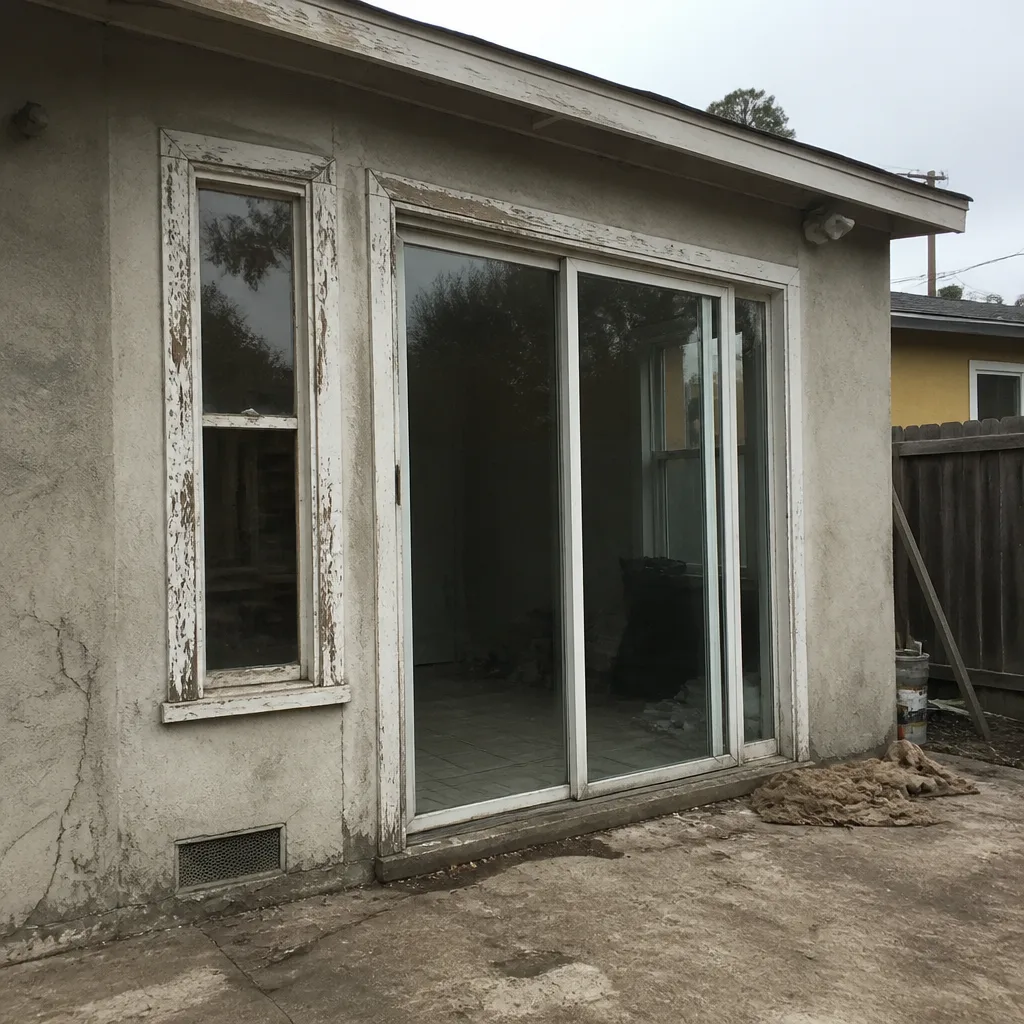 Before
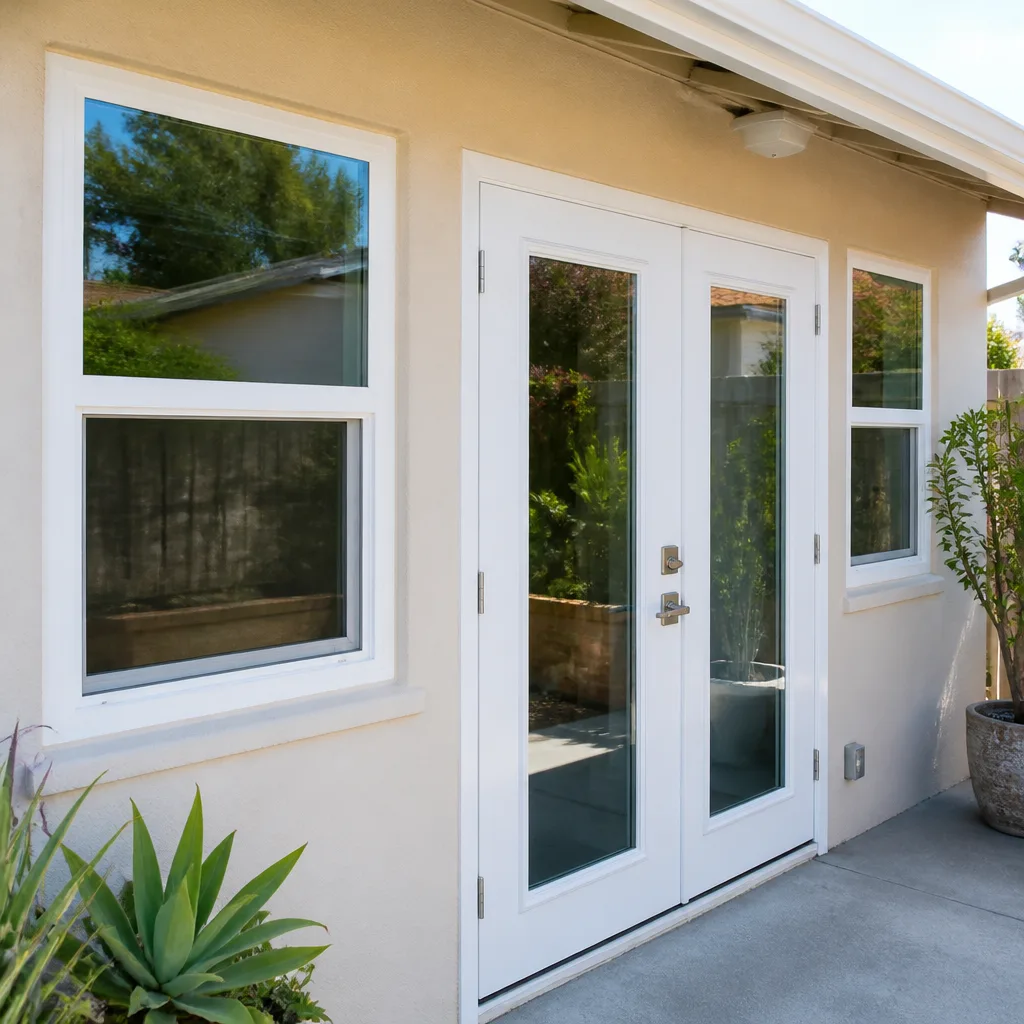 After
After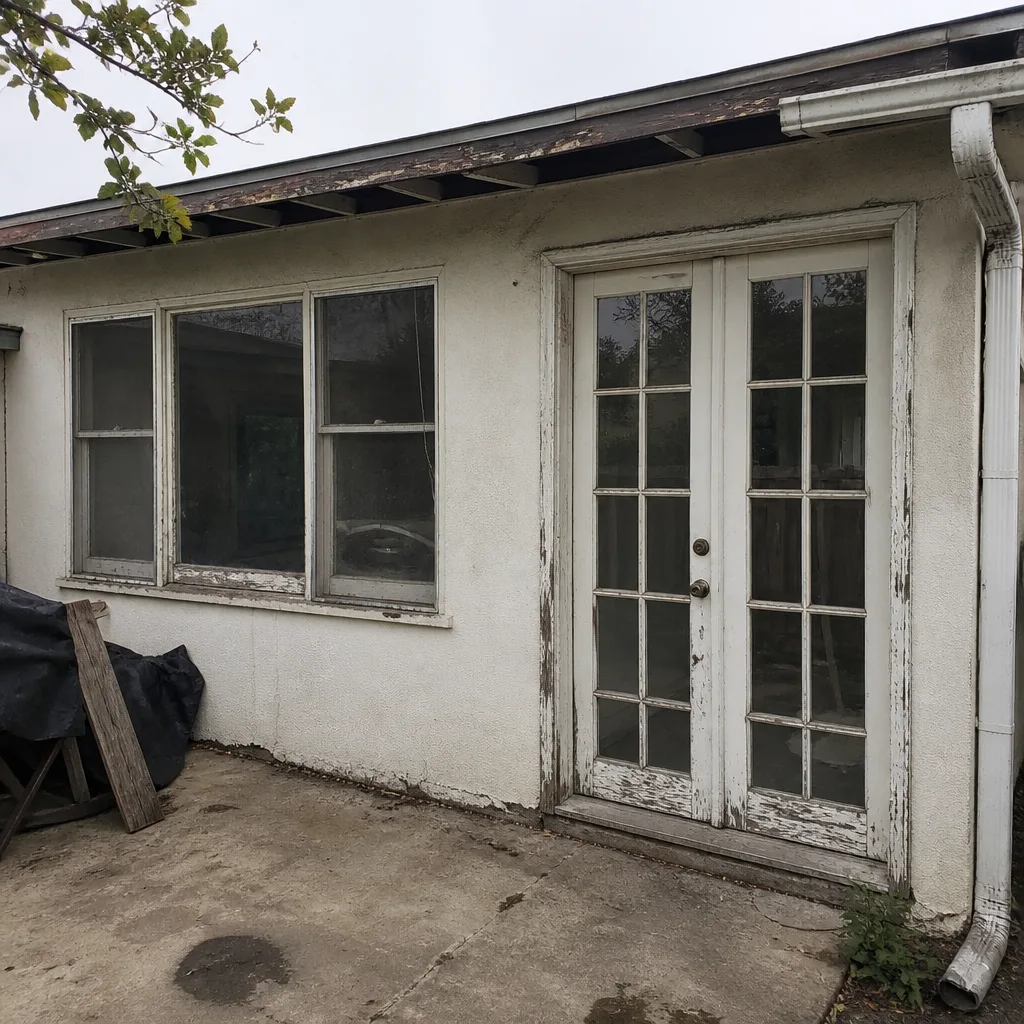 Before
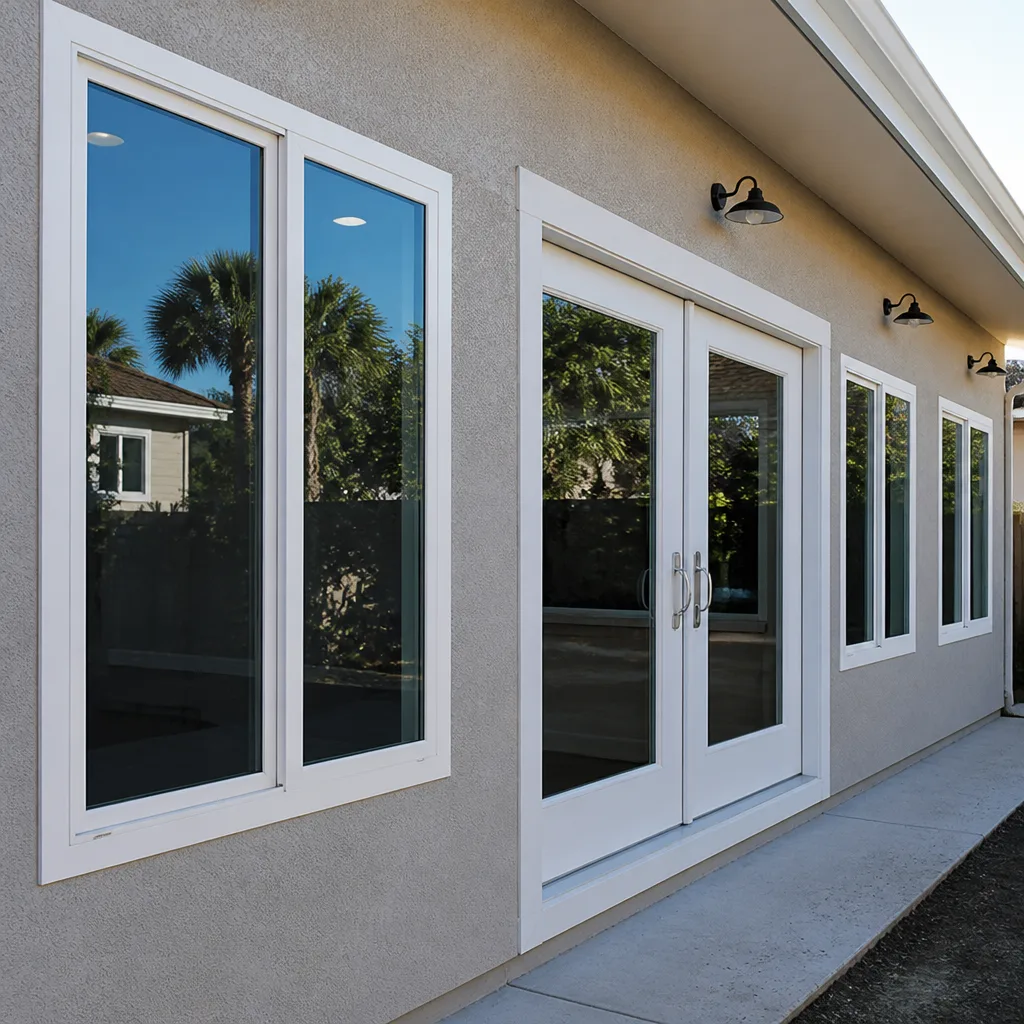 After
After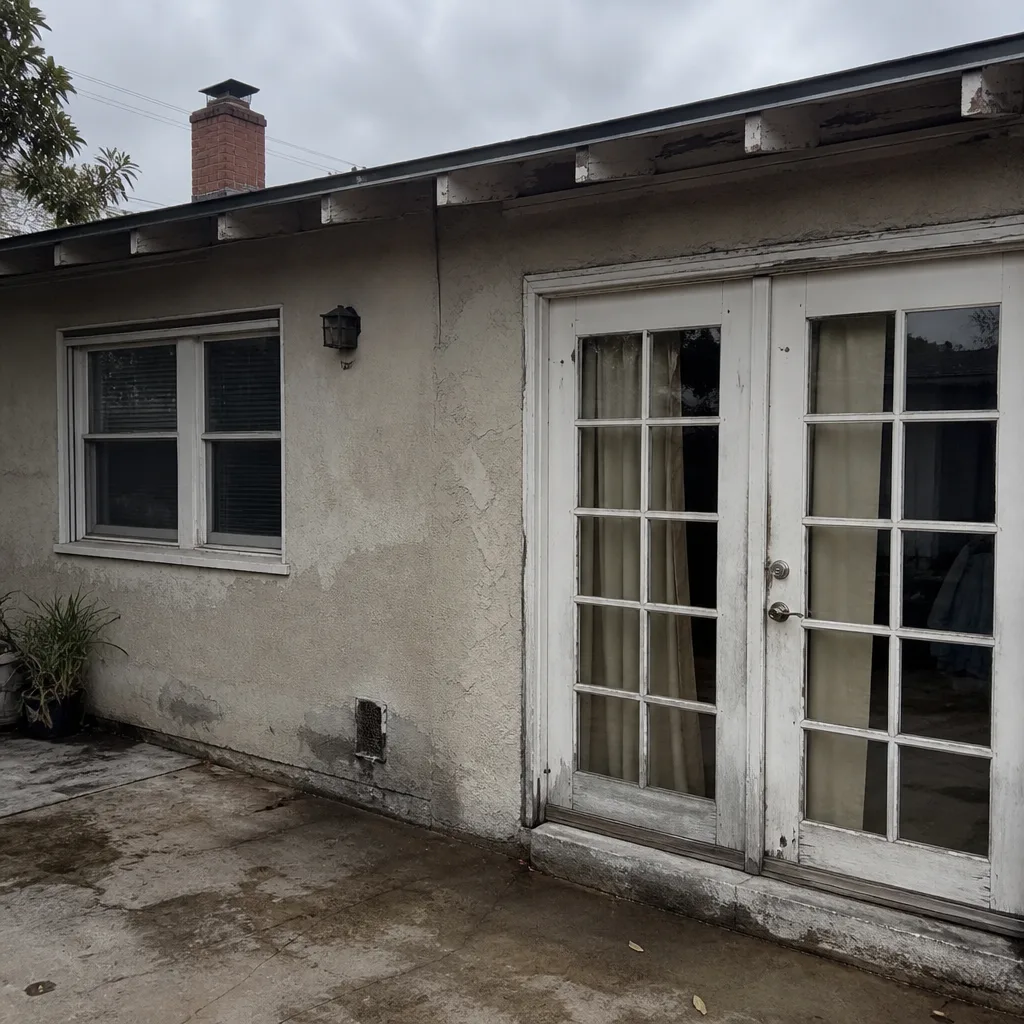 Before
 After
AfterWhen to Call a Professional
You should call a window professional before a problem becomes structural, not after. If water is draining into the wall cavity instead of out the weep holes, if the stucco has cracked at the window corners, if the glass unit is fogging between the panes, or if a window will not operate without serious force, stop using it and get an inspection. These are not maintenance items. They are repair items, and the cost of repair rises steeply with time. Lightwell Windows Long Beach offers free estimates in Long Beach, and because we are part of the Cedarwell network, every inspection comes with a written diagnosis and a fixed price before work starts. Call (562) 912-3327 and a real person answers, 24/7.
Frequently Asked Questions
Every four to six weeks from March through October, and after every significant rainstorm during the wet season. Long Beach’s specific mix of marine salt, beach dust, and spider activity clogs tracks and weep holes faster than inland areas, so the cadence is tighter than national guidelines suggest. Call (562) 912-3327 for an on-site maintenance walkthrough if you are unsure what your windows need.
A diluted 50/50 mix of white vinegar and water is safe on vinyl frames, but do not use it on aluminum or fiberglass without testing a small hidden area first. In Long Beach’s salt-air environment, any acidic cleaner left on aluminum will accelerate the existing salt corrosion cycle, so rinse thoroughly and dry after use.
Run water from a watering can across the bottom of the window track and watch where it drains. If the water pools, drains slowly, or exits through the interior side, the weep channel is blocked somewhere along its length even if the exterior opening looks clear. That internal blockage is common near the coast where salt paste builds up inside the channel.
Yes, if the fogging is a seal failure from a manufacturing defect and the homeowner can show the maintenance schedule was followed. Manufacturers deny fogged-glass claims when the weep holes were found blocked, the tracks corroded, or the frames damaged by unapproved cleaners. Documentation is what separates a paid replacement from an approved warranty claim.
Self-maintenance runs about thirty dollars a year for a soft brush, a bottle of dish soap, and dry silicone spray. Professional maintenance inspections and light service from a local Long Beach company typically run between ninety and two hundred fifty dollars depending on window count and whether any caulk rework or hardware adjustment is needed. Call (562) 912-3327 for an exact quote; estimates are free and always in writing.
No. Weep holes are the drainage system, and sealing them traps water inside the frame where it will damage the window and the wall. If water is entering through the weep holes, the real problem is a failed seal or drainage path upstream, and the fix is a proper re-caulk and drainage check, never sealing the weep holes shut.
The Bottom Line
Long Beach windows fail in a predictable sequence: salt accumulates, weep holes clog, standing water sits in the track, and the stucco-to-frame joint separates. Every one of those failures is preventable with a maintenance routine that takes less than ten minutes per window per month during the dry season and less than an hour per year for the full stucco and hardware inspection. Homeowners who follow the month-by-month calendar, avoid the wrong cleaners, clear the weep holes, and document every maintenance action protect both their windows and their manufacturer warranties. And when something is beyond a rinse and a brush, a written estimate from a local professional costs nothing. For the cleanest, clearest view of your home’s window health, call (562) 912-3327 and book a free estimate.
Written by Keith Yamada, Owner at Lightwell Windows Long Beach, serving Long Beach since 2010.
Six Reasons Homeowners Choose Lightwell Windows Long Beach
Laminated glass and reinforced frames hold up to wind-driven rain, hail and flying debris, so your openings stay sealed when the weather turns.
Low-E insulated impact glass from our manufacturer lines commonly cuts monthly cooling bills 20-30%.
Laminated impact glass shuts out up to 40% of outside noise - traffic, neighbors, weather.
Monitoring services run $30-90 a month. Laminated impact glass resists forced entry around the clock, with no subscription.
Tighter seals and insulated glass even out hot and cold rooms and stop the drafts at the frame.
A full impact package upgrades curb appeal, buyer confidence and appraised value in one project.