
Last updated October 17, 2026
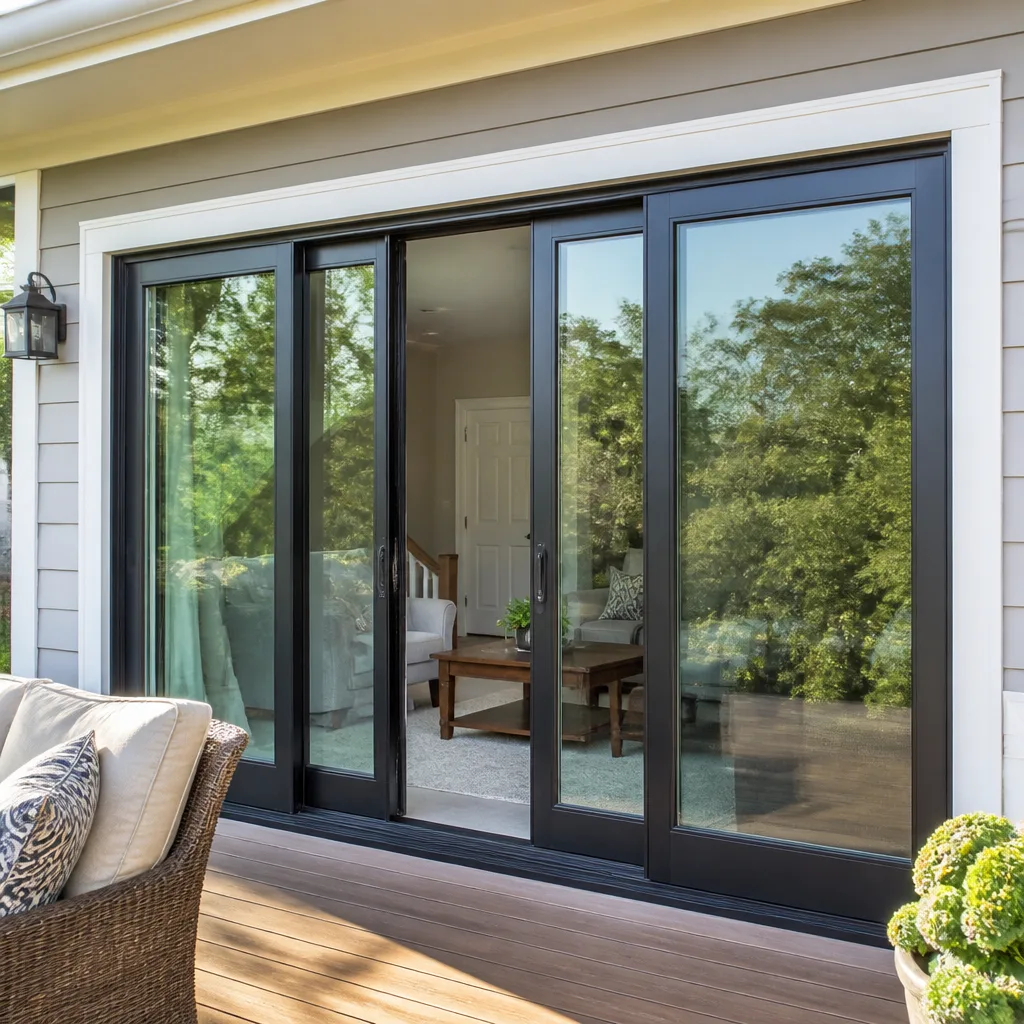 Sliding glass doors
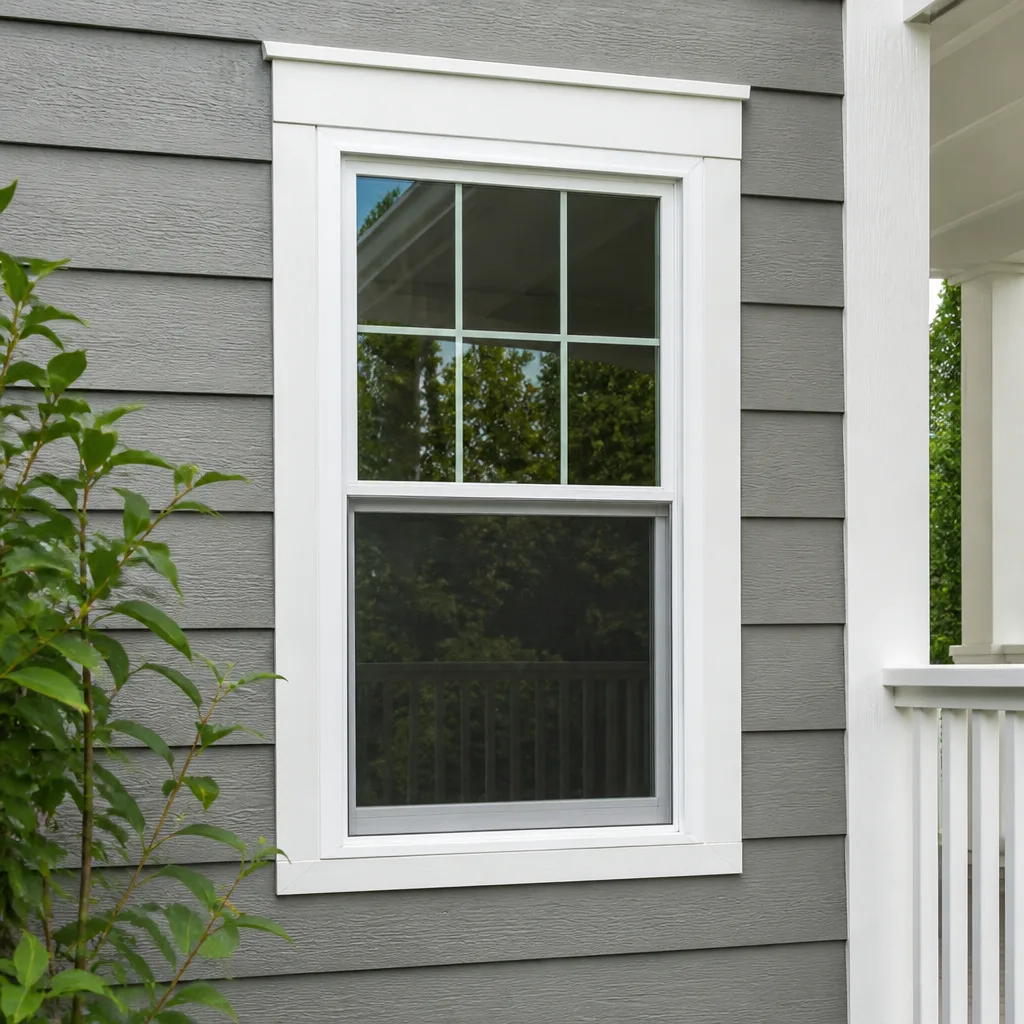 Single hung
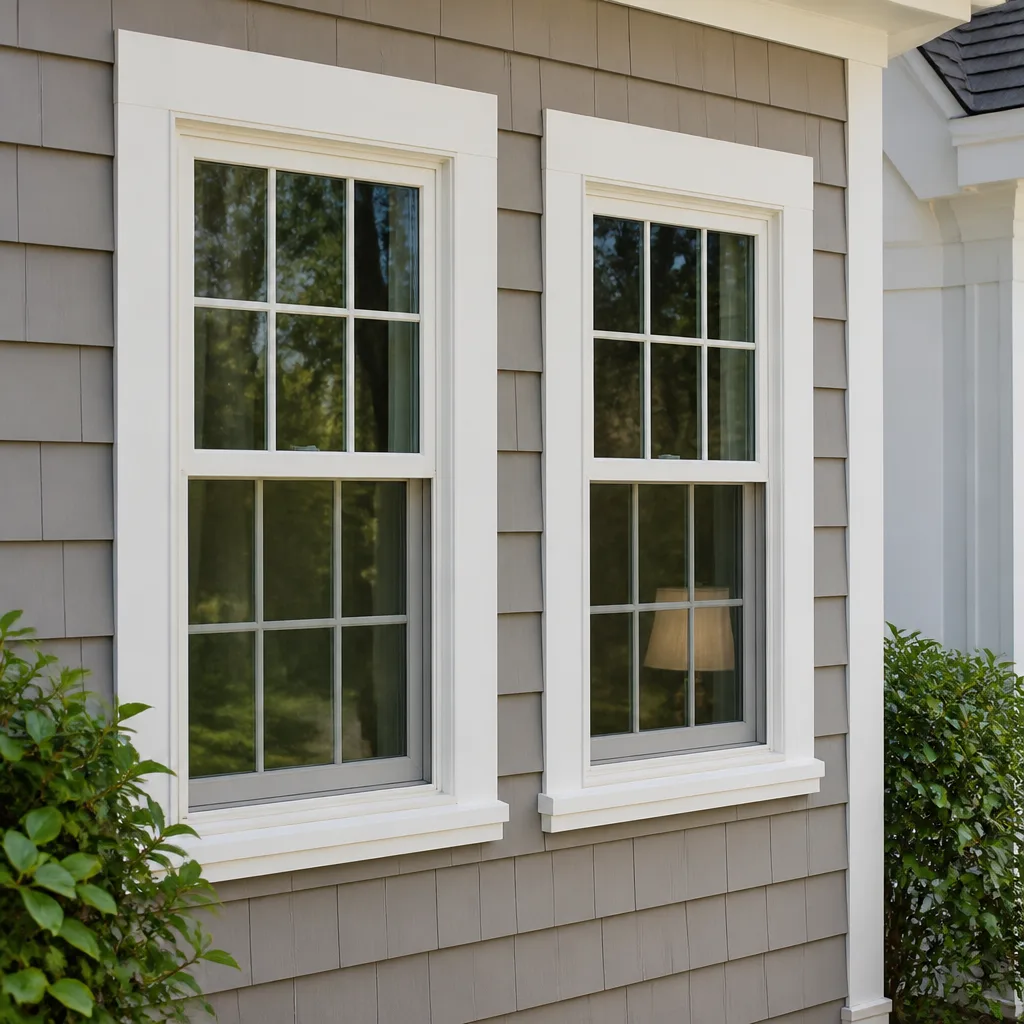 Double hung
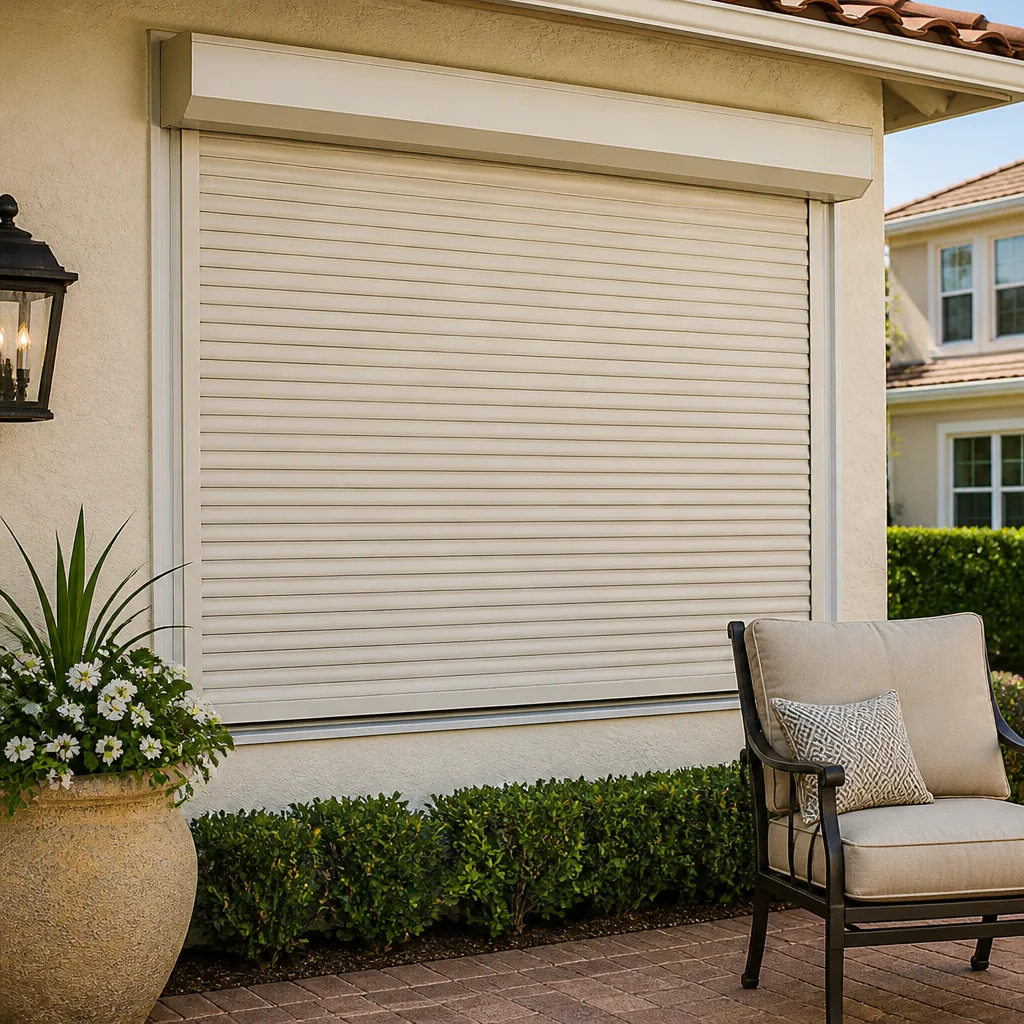 Horizontal roller
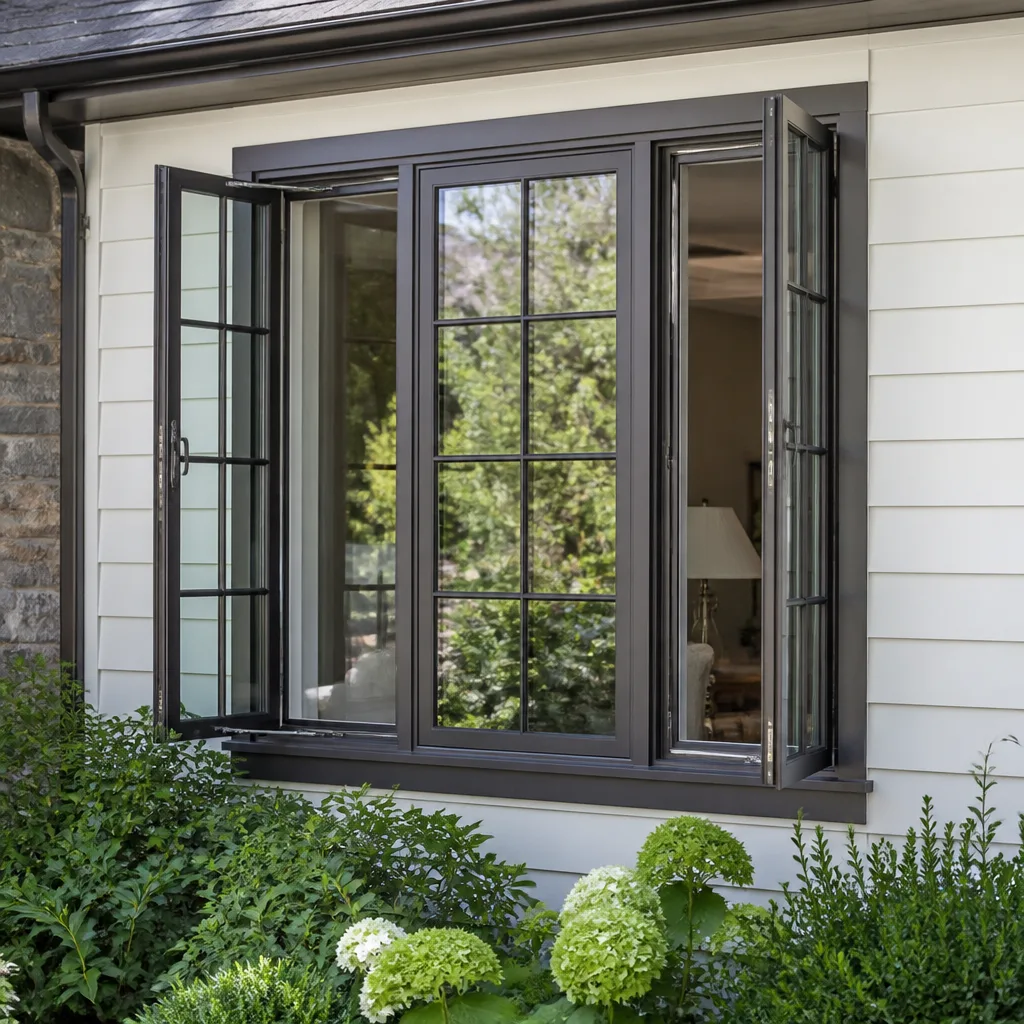 Casement
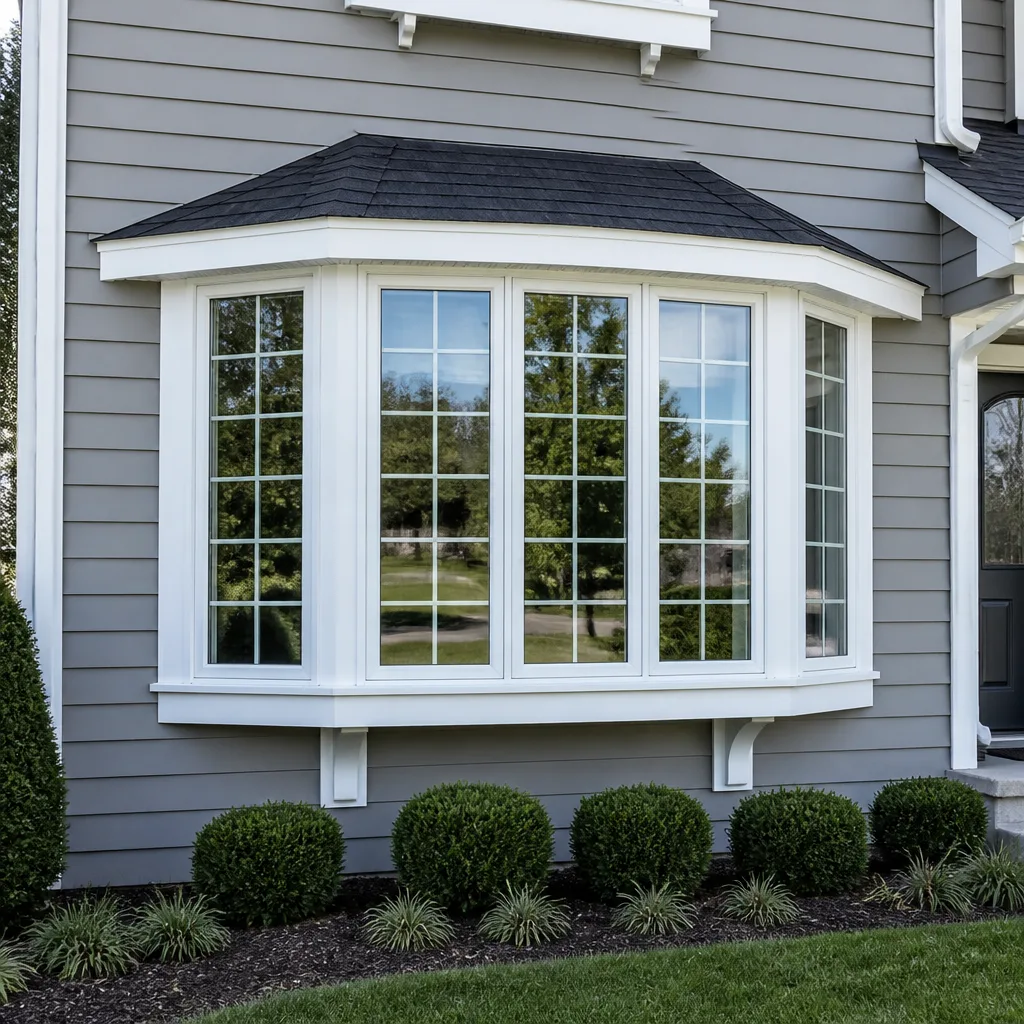 Bay & bow
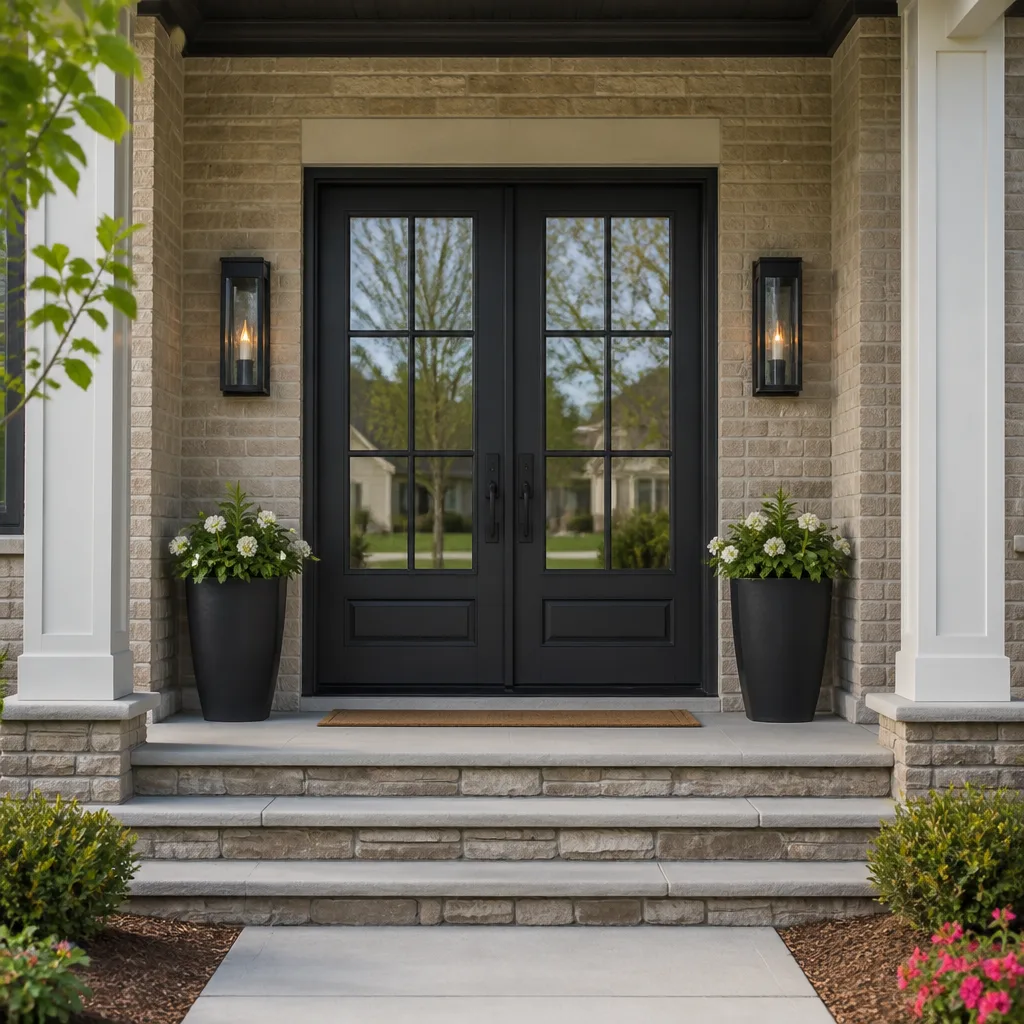 Entry doors
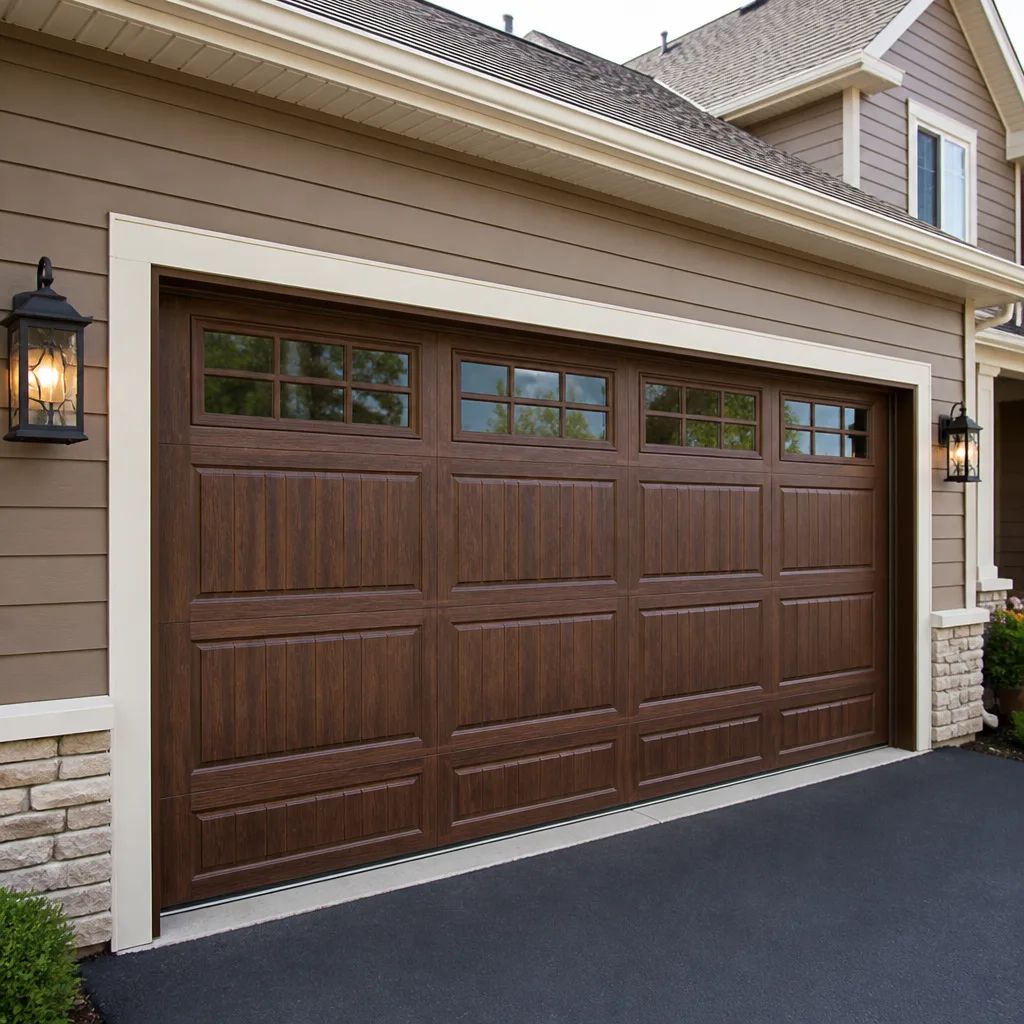 Impact garage doors
 PGT
PGT CGI
CGIFree in-home measure and quote - PGT, CGI and CWS impact lines compared on your actual openings, style by style
Get your free estimateWindows & Doors Warning Signs: A Long Beach Homeowner’s Reference Guide
Most Long Beach homeowners think a failing window announces itself with shattered glass or a door that won’t close at all. In our experience replacing and installing windows and doors across Long Beach since 2010, the opposite is true: the expensive problems whisper first. A door that drags slightly in August. A corner of glass that fogs for an hour after sunrise. A lock that engages but never quite feels snug. This guide walks you through the quiet warning signs we’ve learned to read, the ones that show up weeks or months before the damage becomes visible, and what each one is actually telling you about the structure of your home. For a deeper dive, see our Complete Guide to Windows & Doors in Long Beach.
Styles & brands we work with
Quick Answer
The window and door warning signs that matter most in Long Beach homes are: between-pane condensation (a failed seal that won’t resolve itself), diagonal stucco cracks radiating from window corners (possible frame movement), a lock that closes but never feels tight (frame or hardware misalignment), soft wood at the sill (hidden rot behind stucco), and exterior door threshold gaps that change with the seasons. Most of these are repairable if caught early; left alone, they turn into structural repairs that cost three to five times more. If you’re weighing whether to tackle repairs yourself, our DIY vs Professional Windows & Doors guide can help you decide.
Table of Contents
- Condensation Patterns: What the Glass Is Telling You
- Reading Stucco Cracks Near Window Corners
- The Sticking Door: Long Beach’s Most Dismissed Warning Sign
- Locks That Close But Never Feel Tight
- The Soft-Frame Test: Finding Hidden Sill Rot
- Threshold Gaps on Coastal Doors
- Drafts and Dust Lines: The Invisible Evidence
- Common Mistakes to Avoid
- When to Call a Professional
- Frequently Asked Questions
- The Bottom Line
Condensation Patterns: What the Glass Is Telling You
Not all window condensation is a problem. In fact, most of what Long Beach homeowners see in the morning is completely normal and has nothing to do with the window itself. Understanding the difference is the single most useful diagnostic skill in this entire guide, because it saves you from replacing windows that don’t need replacing, and catches the ones that do.
There are two types of condensation, and they mean opposite things. The first type forms on the interior surface of the glass, the side you can touch from inside the room. This is almost always a humidity issue inside the home, not a window defect. Long Beach’s morning marine layer pushes moisture into the air, and if your home doesn’t ventilate well (common in older bungalows without modern bath fans or range hoods), that moisture condenses on cool glass the same way it does on a cold drink. The fix is usually a dehumidifier, better ventilation, or simply opening windows more often. Your windows are doing their job by keeping the indoor climate separate from the outdoor one.
The second type is the one to watch. Between-pane condensation appears on the inside surface of the glass that you cannot touch, the surface sealed inside the insulated glass unit. It often shows up as a fog or a patch of moisture in the center of the pane that lingers after the morning sun hits the window. This is a failed seal. Modern double-pane and triple-pane windows are built as sealed units filled with inert gas, usually argon or krypton. When the edge seal fails, the gas escapes, ordinary air (and the moisture in it) takes its place, and the window loses most of its insulating value. This will not resolve itself. It will only get worse as temperature swings pull more humid air into the space between the panes.
Where to look: start at the bottom corners of each pane. Seal failures usually begin at a corner and spread inward. If you see a cloudy patch that appears in the morning and clears by noon, or water droplets trapped between the panes that you can’t wipe away, that’s a sealed-unit failure. In Long Beach’s coastal climate, we see this happen faster on west-facing windows, which catch direct afternoon sun and thermal cycling that stresses edge seals year after year. A single failed pane can be replaced in most cases, but if multiple windows in the same rough age range show the pattern, replacement becomes more cost-effective than repeated individual repairs.
What to Do About Between-Pane Condensation
- Take a photo of the fog in the morning when it’s most visible. Documentation helps when you’re getting quotes.
- Check whether the condensation is on the inside surface you can touch, or trapped between panes. Only the second is a seal failure.
- Count how many windows show the pattern. One is a repair conversation. Five or six is a replacement planning conversation.
- If the fog is between panes, get an estimate. The window still functions structurally, but its insulation value is gone, and Long Beach’s afternoon heat will push the failure to spread.
Reading Stucco Cracks Near Window Corners
Stucco cracks are a fact of life in Southern California, and most of them are cosmetic. The ground shifts, the stucco flexes slightly, and hairline cracks appear. But there’s a specific pattern that deserves more attention, and it involves windows and doors specifically.
In our work on Window Replacement in Long Beach, we’ve learned to read crack geometry the way a mechanic reads a tire wear pattern. A diagonal crack that starts at one corner of a window opening and runs downward at roughly 45 degrees is a common sign that the rough opening has moved. The window frame itself is rigid and strong, which means it doesn’t flex with the wall. When the wall shifts, the stress concentrates at the corners of that rigid opening, and the stucco cracks there first. Think of it like a perforated edge: the corner of a window is a stress riser, and diagonal cracks from corners are the wall’s way of showing you where the stress is accumulating.
Vertical or horizontal hairline cracks that follow a straight line are usually just stucco shrinkage, especially on Long Beach homes built in the 1950s through 1970s, a period when stucco application methods often produced this type of superficial cracking. Those typically don’t mean anything for your windows. But a diagonal crack that emanates from a window corner, is wider than about one-sixteenth of an inch, or is growing season over season, means the framing around the window is working against the wall. That’s a structural conversation, not a caulking conversation.
What you can do: mark the end of any suspicious crack with a pencil line and a date. Check it in six months. If it’s longer, the movement is active. If the crack is diagonal from a window corner, call for an inspection before the window loses its seal against the frame and water finds a way in.
The Sticking Door: Long Beach’s Most Dismissed Warning Sign
A door that sticks a little in summer is the most commonly dismissed early warning sign in Long Beach bungalows. It gets blamed on humidity, shaved at the top with a plane, or just lived with as a quirk. But a door that changes its operation with the seasons is often the first indication that the rough opening has shifted and the frame-to-structure connection is beginning to fail.
Here’s why. Wood expands and contracts with humidity, and Long Beach’s summer humidity is real. But a properly installed exterior door should not bind in summer and free up in winter unless something else is moving too. What’s usually happening is that the rough opening (the framed hole the door unit sits inside) has shifted slightly, either from ground movement, foundation settling, or the slow loosening of the fasteners that anchor the door frame to the studs. When the rough opening shifts, the door frame shifts with it, and the frame no longer sits square. The door slab, still rectangular, starts to rub against one corner of the frame, usually the top latch-side corner.
The telltale signs: the door rubs at one specific point (look for a wear mark on the top edge of the door or the corresponding spot on the frame). The reveal (the gap between the door slab and the frame) is uneven, tight on one side and wide on the other. The latch still works, but only if you push or pull on the handle while turning it. If you answer yes to all three, the problem isn’t the door. It’s the opening.
This matters because fixing the symptom (shaving the door) does nothing for the cause. And the cause, left unaddressed, eventually grows into a door that won’t lock, weatherstripping that gets destroyed by constant drag, and a gap that admits air and water. In Long Beach, where older homes often sit on expansive clay soils that swell and shrink with the rainy season, this pattern is more common than homeowners realize. For comprehensive guidance on exterior door work, see our Door Installation in Long Beach page.
Locks That Close But Never Feel Tight
There’s a middle category of window and door performance that most guides skip: the window that locks, but doesn’t feel like it’s doing anything. The handle turns, the latch slides into place, but there’s no resistance, no satisfying compression. Or the lock engages, but you can still jiggle the sash a quarter inch. Homeowners tend to file this under “old house” and move on. That’s a mistake, because a lock that isn’t cinching the sash tight is telling you something specific about frame alignment, and it’s costing you money and security at the same time.
Here’s the mechanic. On a hinged window (casement, awning, hopper), the locking mechanism is a lever that rotates a cam or presser arm against the frame, drawing the sash tight into the weatherstripping. On a sliding window, the lock is a cam that wedges the moving sash against the fixed sash and the frame. In both cases, the lock only works correctly if the sash and frame are in the same plane. If the frame has shifted out of square, if a hinge has worn, or if the sash itself has sagged, the lock closes but never achieves full compression. The window loses its air seal, which means your heating and cooling dollars go out the gap. And the security function is degraded, because a sash that isn’t compressed tight is easier to pry from the outside.
The check is simple. Lock the window, then press your hand against the sash near each corner. If you feel movement, or if you can slide a dollar bill under the weatherstripping where it should be snug, the lock isn’t seating fully. The same logic applies to entry doors: an exterior door lock should throw the bolt into the strike plate with no drag. If you have to push or lift the handle to get the bolt to line up, the frame has moved, even if you can’t see it yet.
This is a situation where the hardware itself is often fine. The problem is alignment, and the fix depends on how far out of square the frame has gone. In some cases, adjusting the hinges or replacing a worn roller or glide solves it. In others, the window sits in a shifted opening and no amount of hardware adjustment will bring it back. Products like ES Windows and CWS are engineered with multi-point locks that cinch evenly at several points along the sash, which helps windows resist this kind of sag, but even the best hardware can’t overcome a frame that’s moved too far.
The Soft-Frame Test: Finding Hidden Sill Rot
Long Beach stucco homes hide window sill rot longer than almost any other architecture in the country. On a wood-sided house, water damage shows up as peeling paint, bulging wood, or visible discoloration within the first year or two. Stucco covers all of that. Water penetrates through a hairline crack near the window corner, runs down inside the wall cavity, and saturates the wood sill and the rough framing for years, all while the outside surface looks fine. By the time you see a paint bubble or a soft spot on a stucco home, the rot has often been working for a decade.
The soft-frame test is a way to check for that hidden damage without any tools and without cutting into anything. The theory is simple: the first section of the window frame to fail is the exterior sill (the horizontal ledge at the bottom of the window on the outside). Water pools there, sun beats on it, and the paint is the thinnest at the bottom edge. If the sill is soft, whatever is behind it is wet too.
- Stand outside at the window and press the top of your thumb firmly into the wood at the front edge of the sill, the part closest to you. Press at three spots: the center, the left end, and the right end.
- Healthy wood feels hard and unyielding, like pressing on a countertop. Rotted wood feels spongy or gives slightly, even if the paint surface looks intact.
- Tap the sill with your knuckle. Healthy wood produces a sharp knock. Rotted wood produces a dull thud. If you hear a difference between one end of the sill and the other, that’s a warning sign.
- Look at the underside of the sill where it meets the stucco. This is where water runs down and pools. If you see paint that is cracked in a spider-web pattern, dark staining, or a caulk joint that has separated from the stucco, water has been sitting there.
- Repeat on the windows that get the most weather: the south and west faces of the house in Long Beach take direct sun, and any window near an overwatered planter gets regular splash on the sill.
If you catch sill rot early, before it spreads into the rough opening, the repair is often just the sill itself or the bottom rail of the sash. If the rot has reached the rough framing, you’re looking at a full-frame replacement conversation. Long Beach’s coastal air carries salt, which accelerates the rot process once wood is exposed. Catching softening early saves thousands.
Threshold Gaps on Coastal Doors
Exterior doors in Long Beach wear out at the threshold before they wear out anywhere else. That’s a coastal reality. The threshold is the horizontal piece that spans the bottom of the door opening, the place where the door’s weatherstrip meets the floor. It takes water from rain, salt air, foot traffic, and the constant expansion and contraction of the materials around it. When the weatherstrip wears or the threshold settles, you get a gap, and a gap at the bottom of an exterior door means air infiltration, water intrusion, and a clear entry point for pests.
The key diagnostic skill is learning to distinguish between two very different situations: weather-seal wear and threshold settlement. They cost wildly different amounts to fix, and confusing the two is expensive.
Weather-seal wear is the cheap one. The weatherstrip is the flexible rubber or vinyl strip attached to the bottom of the door slab or the door frame. Over time, it compresses, tears, or just loses its spring. You can identify it by closing the door and looking at the gap from inside the house with the lights on. If you see daylight under the door, but the gap looks even across the threshold, and the door opens and closes without dragging, the likely culprit is the weatherstrip. Replacement is a $40 to $120 job in most Long Beach homes, assuming a standard-sized entry door.
Threshold settlement is the structural conversation. The threshold itself, usually wood or an aluminum extrusion set on a wood base, sits on top of the rough opening framing, which sits on the floor, which sits on the foundation. If the rough opening has shifted or the threshold base has absorbed water and rotted over years of coastal exposure, the threshold sinks at one end or in the center. The diagnostic signs: the gap under the door is uneven (bigger on one side than the other), the door drags on the high side of the threshold, or the threshold itself visibly tips or flexes when you step on it. This is not a weatherstrip fix. This is a door-unit reset or replacement conversation.
Long Beach homes built before 1980 often have thresholds installed directly against the slab or subfloor without the sill pans and flashing systems that modern code requires. If your home falls in that age range and the threshold has never been pulled, assume some degree of hidden moisture damage underneath. Products like Therma-Tru door units are built with composite sills designed to resist the coastal moisture that eats traditional wood thresholds over the decades.
Drafts and Dust Lines: The Invisible Evidence
Some of the most useful diagnostic evidence in your home isn’t the window or door itself. It’s the residue that accumulates around them. Air that leaks around windows and doors carries particles: dust, pollen, soot, salt, and the fine particulate matter that Long Beach’s trade corridors and port activity push into the air. When that air passes through a gap, the particles filter out against the wall, the floor, and the window frame, leaving visible evidence of invisible movement.
The dust-line test is simple and costs nothing. Go to any window in your home that you don’t open regularly, preferably one on a wall that faces the street or the afternoon sun. Run your finger across the sill and the wall directly below the window corners. Heavy dust accumulation in a specific path, especially a dark line that traces the seam between the window frame and the wall, is a sign that air is moving through that joint. The air brings the dust with it, and the dust settles where the air slows down at the gap. The same evidence shows up at door bottoms, where dust lines form on the floor at the threshold even when the door is kept closed.
Drafts are different. You feel a draft as a moving current of air, not a still one, but air doesn’t need to be moving fast enough to feel in order to leak. The energy loss from a still, silent air leak is nearly the same, which means you can’t rely on the back of your hand to find every gap. That’s why the dust line is a better indicator over time. It’s the geological record of air that’s been bypassing your windows and doors for months.
On hot Long Beach afternoons, air leaks you can’t feel still let cooled indoor air escape and push drafts of outside air into the wall cavity. Over the course of a year, a single large gap around one window has the same energy impact as leaving the window open for a day or two every month. Multiply that by every window in the house, and the number gets real. If the dust lines are heavy and the windows are original to a pre-1985 build, the seals and weatherstripping are not doing their job, and replacement becomes a realistic conversation. For more on how window replacement works and what to expect, visit our Window Installation in Long Beach page.
Key Takeaways: Warning Signs and What They Mean
- Between-pane fog = failed seal. Repair or replace; it won’t clear on its own.
- Interior surface condensation = indoor humidity. Fix ventilation and habits first.
- Diagonal stucco cracks from window corners = possible frame movement. Mark, date, and monitor.
- Seasonal door sticking = rough opening movement. Don’t shave the door; assess the opening.
- Locks that close but don’t cinch = frame or hardware misalignment. A security and energy issue at once.
- Soft sill on a stucco home = hidden rot. Test every window you can reach, starting with south and west faces.
- Uneven threshold gap = settlement, not weatherstrip wear. Structural conversation.
- Dust lines around frames = silent air leaks. Accumulation is the evidence of a problem drafts alone won’t reveal.
Common Mistakes to Avoid
- Shaving or planing a sticking door. This treats the symptom while the rough opening keeps shifting. Once the door is shaved, it fits today but likely drags again next season, and by then you’ve also widened the gap at the bottom. Diagnose the opening before you modify the door.
- Ignoring morning fog between panes because it clears by noon. The fog clearing is just the trapped moisture evaporating into the airspace. The seal is still failed, and the pattern will repeat every morning until the unit is replaced or repaired.
- Believing a stucco home can’t have sill rot. Stucco hides rot better than any other exterior. By the time you see damage on a stucco wall, the framing behind it has often been wet for years. Test, don’t assume.
- Replacing weatherstripping on a settled threshold. New weatherstrip can’t fill a gap that’s uneven or a threshold that tips. You’ll spend money, the gap will remain, and the real problem continues under the door unit.
- Caulking over diagonal stucco cracks permanently. Caulk seals the crack but hides the evidence of continuing movement. If the crack reopens through the caulk, you have active movement. If you seal it and forget you sealed it, you lose your diagnostic marker.
- Using interior condensation as proof the windows failed. Most interior condensation in Long Beach is a humidity problem, not a window problem. Replacing windows for that reason alone solves the symptom by making the glass slightly warmer, but the excess humidity remains, usually migrating to the next coldest surface.
- Waiting until a window or door visibly falls apart before getting a quote. The cost curve is steep. Early-stage repairs and adjustments are hundreds of dollars. Full-frame replacements after structural damage are many times that.
When to Call a Professional
Some of these warning signs you can monitor and manage yourself: marking a crack, running the soft-frame test, noting a dust line. But certain findings warrant a trained pair of eyes. Call for an inspection if you find between-pane fog in more than two windows, diagonal cracks wider than one-sixteenth of an inch or growing between seasons, a sill that’s soft to the thumb in even one spot, an exterior door that sticks and drags in a yearly cycle, or a threshold that tips when you step on it. These are all signs that the wall, the opening, or the frame is in motion, and accurate diagnosis matters more than a fast fix. When you’re ready to bring in a pro, read our step-by-step guide to hiring a windows and doors contractor in Long Beach first.
Lightwell Windows Long Beach offers free estimates in Long Beach, and every estimate includes a written price before any work starts. Call (562) 912-3327 to schedule one.
Frequently Asked Questions
Most window replacements in Long Beach run between $600 and $1,400 per opening for a standard double-pane retrofit into an existing frame, with full-frame replacements and larger window types running higher based on size, access, and product selection. Retrofit replacement of a typical 3-foot by 5-foot window using a mid-range vinyl or aluminum product usually lands in the $700 to $1,100 range in our Long Beach market. Call (562) 912-3327 for a written estimate specific to your openings.
Between-pane condensation means the sealed glass unit has failed, and the first question is whether the original manufacturer’s warranty still covers the glass. Warranties vary widely by product: some cover the glass for 10 or 20 years, others have much shorter coverage windows and a sliding proration scale. The second consideration is whether the labor is covered. In many cases, the replacement glass is covered but the installation labor is not, so check the original paperwork before assuming the fix is free. Get a professional to assess the failure and help you navigate the claim.
The City of Long Beach requires a building permit for window and door replacements that alter the rough opening size, and for any installation that affects structural framing. Like-for-like replacements where the new unit fits the existing opening and no structural changes are made are generally exempt, but the exact rules depend on the scope of work and the current adopted code. A reputable installer should know when a permit is required and handle it as part of the project, not put you in the position of researching it after demolition starts.
Yearly summer sticking is almost always the rough opening moving with the seasons, usually tied to soil moisture cycles and humidity-driven expansion of the framing lumber. Long Beach’s summer brings both warm temperatures and marine humidity, and the combination causes the wood components in the rough opening to expand enough to pinch the door slab. If the door frees up as the weather cools, monitor the cycle. If the sticking gets worse year over year, the underlying movement is progressive and should be assessed before you modify the door to fit a shifted opening.
In Long Beach’s salt-air coastal environment, standard aluminum windows typically last 20 to 30 years before the performance decline justifies replacement, and vinyl units run 20 to 40 years depending on the quality of the extrusion and hardware. Salt accelerates corrosion on hardware and any exposed metal components, and the thermal cycling from warm days and cool nights stresses edge seals. Coastal homes in direct ocean exposure, particularly those within a few blocks of the beach and facing south or west, sit at the shorter end of every durability range.
Failed glass units can be replaced independently of the window frame in most cases. A glass company removes the failed insulated unit and installs a new one in the existing frame, which costs a fraction of a full window replacement as long as the frame and hardware are still sound. The question is whether the frame is worth keeping. If the frame is leaking, the hardware is worn, or multiple units in the same frame have failed, replacement of the entire window becomes the more sensible investment over the long term. Call (562) 912-3327 for a free assessment of your specific windows.
The Bottom Line
The costliest window and door problems in Long Beach homes are usually the quietest ones. Between-pane fog that appears every morning, a door that drags a little in summer, a lock that never feels fully cinched, a sill that gives under the thumb: each is an early message from the structure of your home. Reading those messages correctly means the difference between a $300 adjustment and a $5,000 structural repair. Test the sills, mark the cracks, watch the threshold gaps, and when one of these signs shows up, get a professional who puts the diagnosis and the price in writing before any work begins. Call Lightwell Windows Long Beach home at (562) 912-3327 for a free estimate, and we’ll walk the property with you and name exactly what we’re seeing, what it means, and what the fix will cost before anything is signed.
Written by Keith Yamada, Owner at Lightwell Windows Long Beach, serving Long Beach since 2010. Browse more guides & resources on our blog.
See the difference
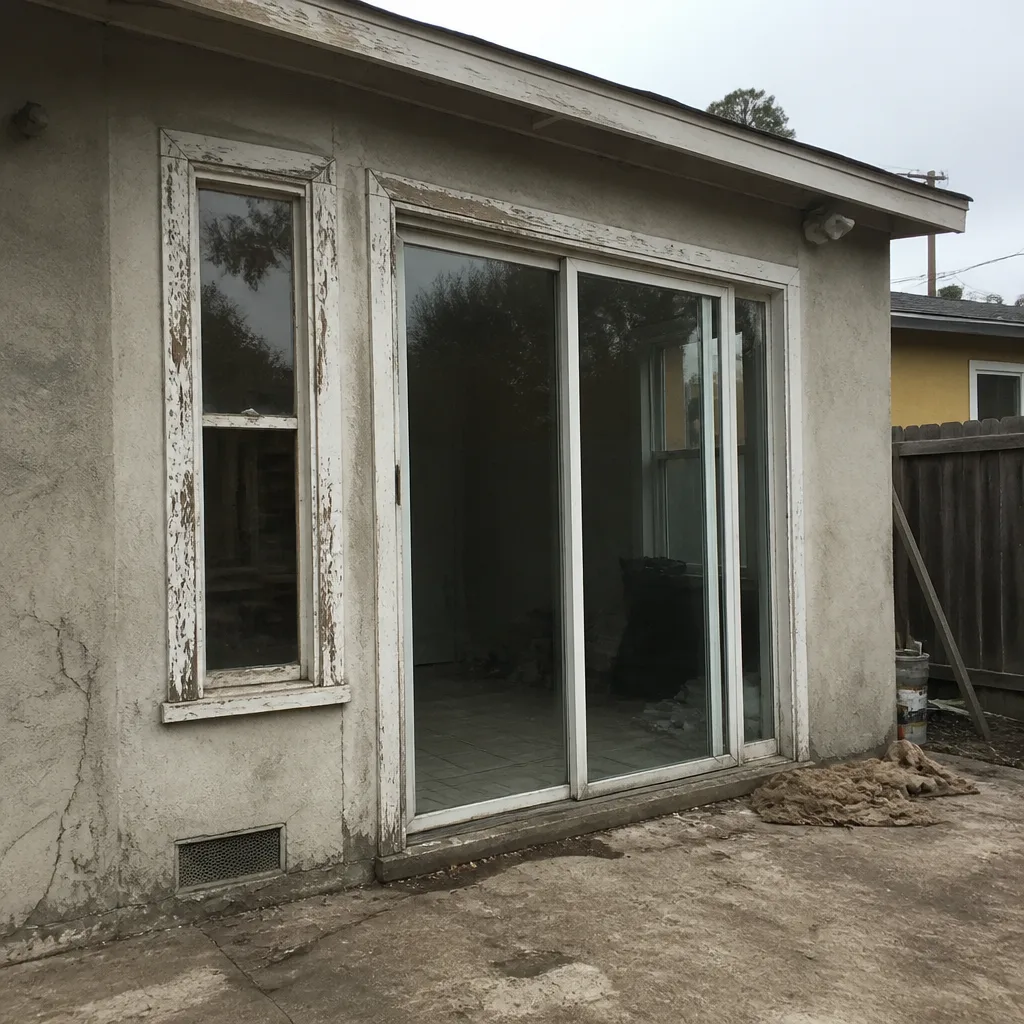 Before
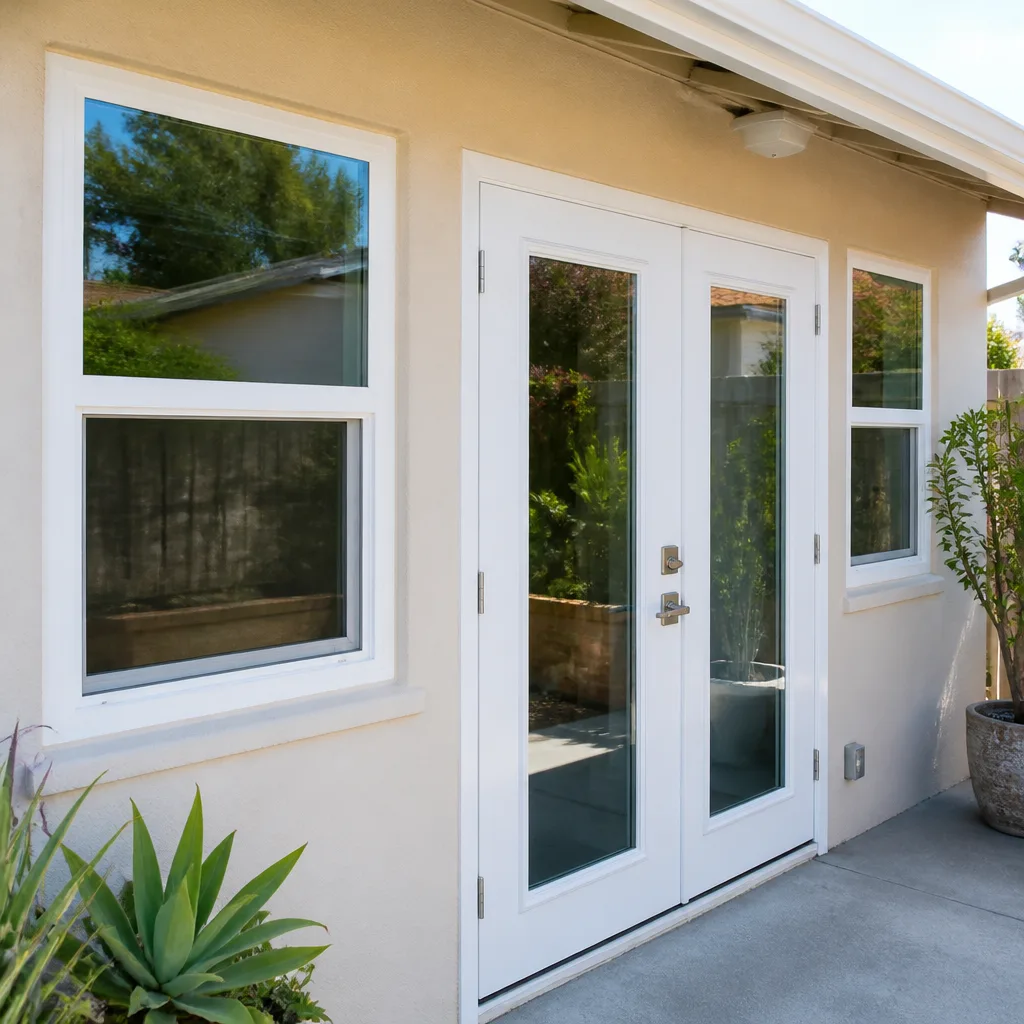 After
After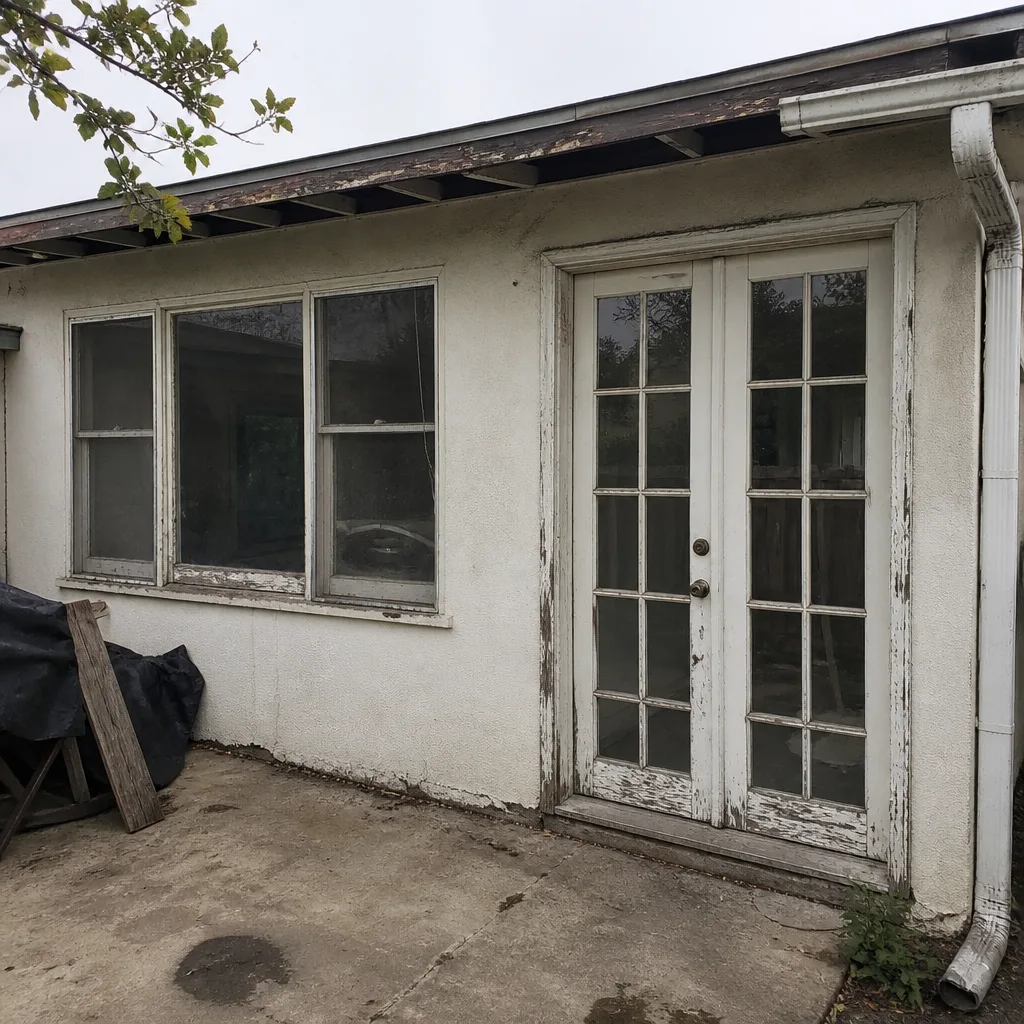 Before
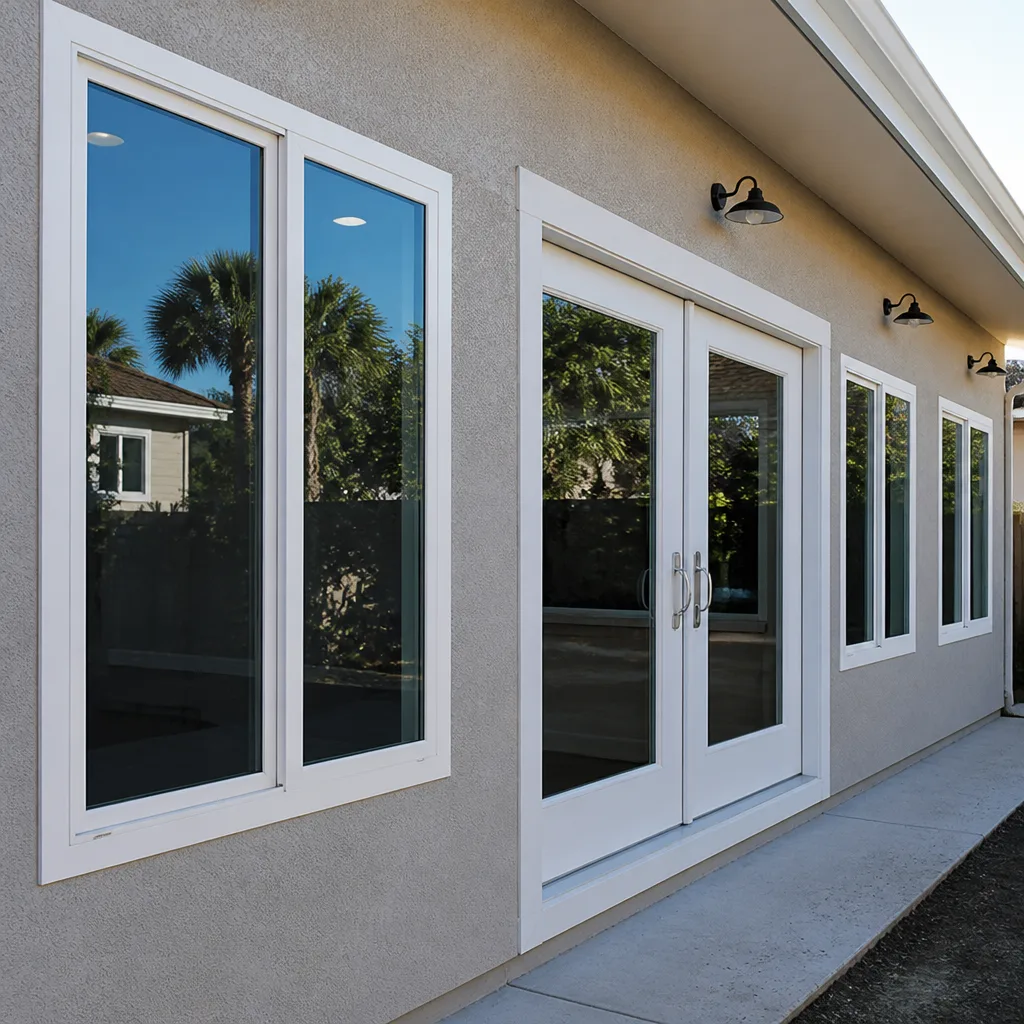 After
After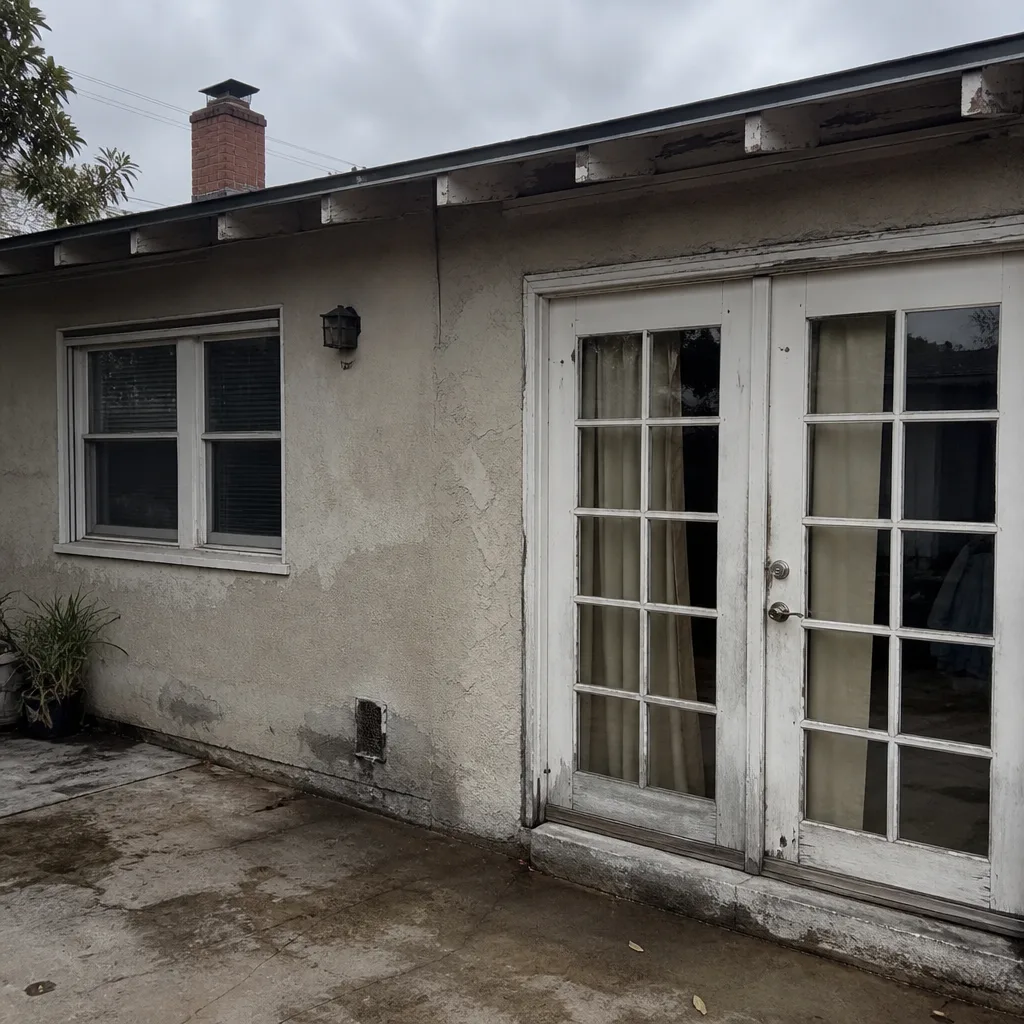 Before
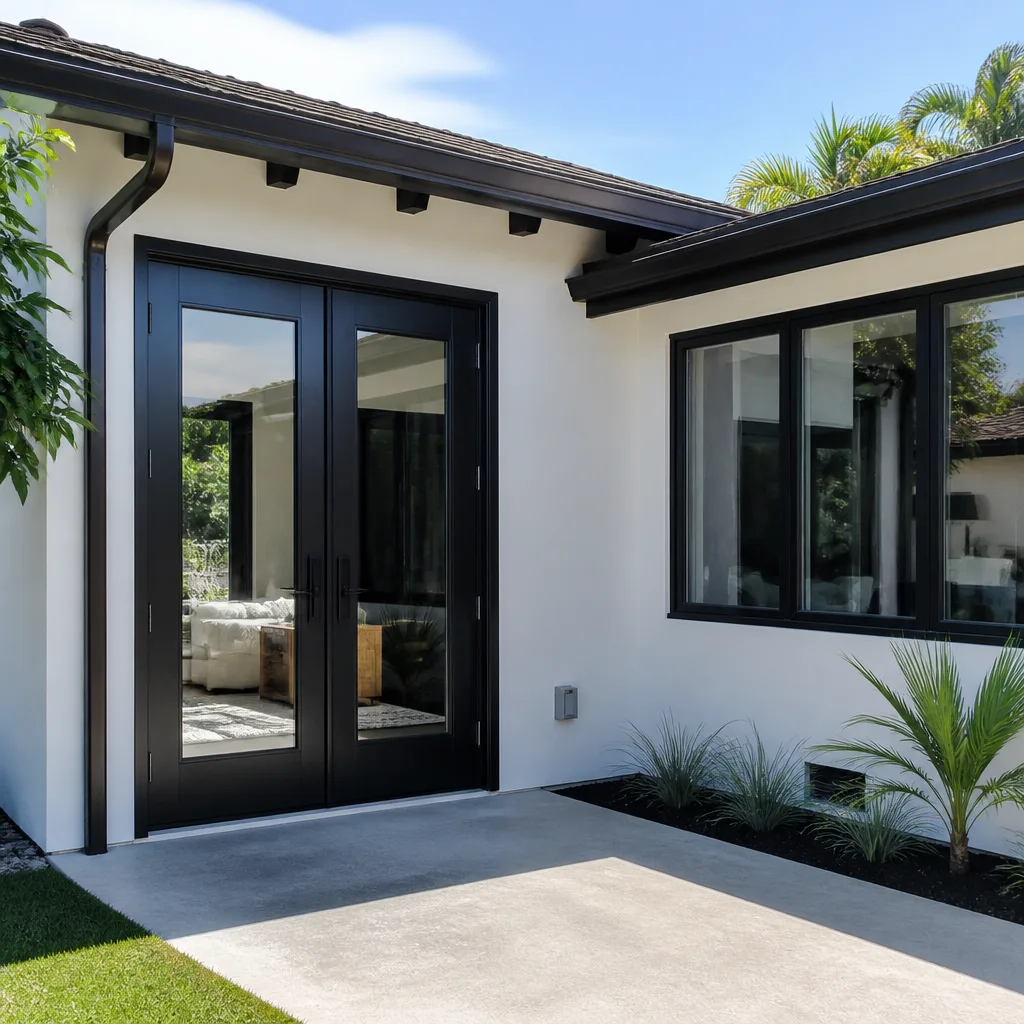 After
AfterSix Reasons Homeowners Choose Lightwell Windows Long Beach
Laminated glass and reinforced frames hold up to wind-driven rain, hail and flying debris, so your openings stay sealed when the weather turns.
Low-E insulated impact glass from our manufacturer lines commonly cuts monthly cooling bills 20-30%.
Laminated impact glass shuts out up to 40% of outside noise - traffic, neighbors, weather.
Monitoring services run $30-90 a month. Laminated impact glass resists forced entry around the clock, with no subscription.
Tighter seals and insulated glass even out hot and cold rooms and stop the drafts at the frame.
A full impact package upgrades curb appeal, buyer confidence and appraised value in one project.