
Last updated October 17, 2026
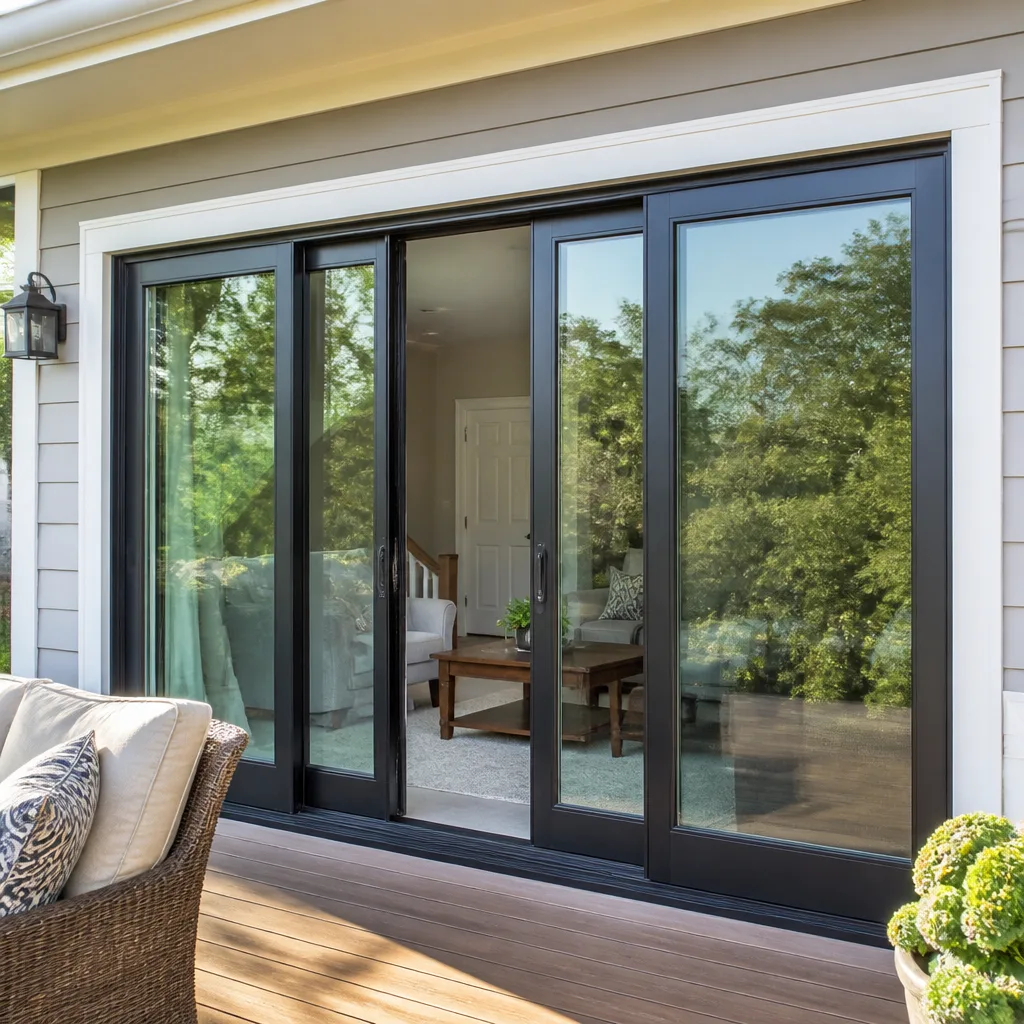 Sliding glass doors
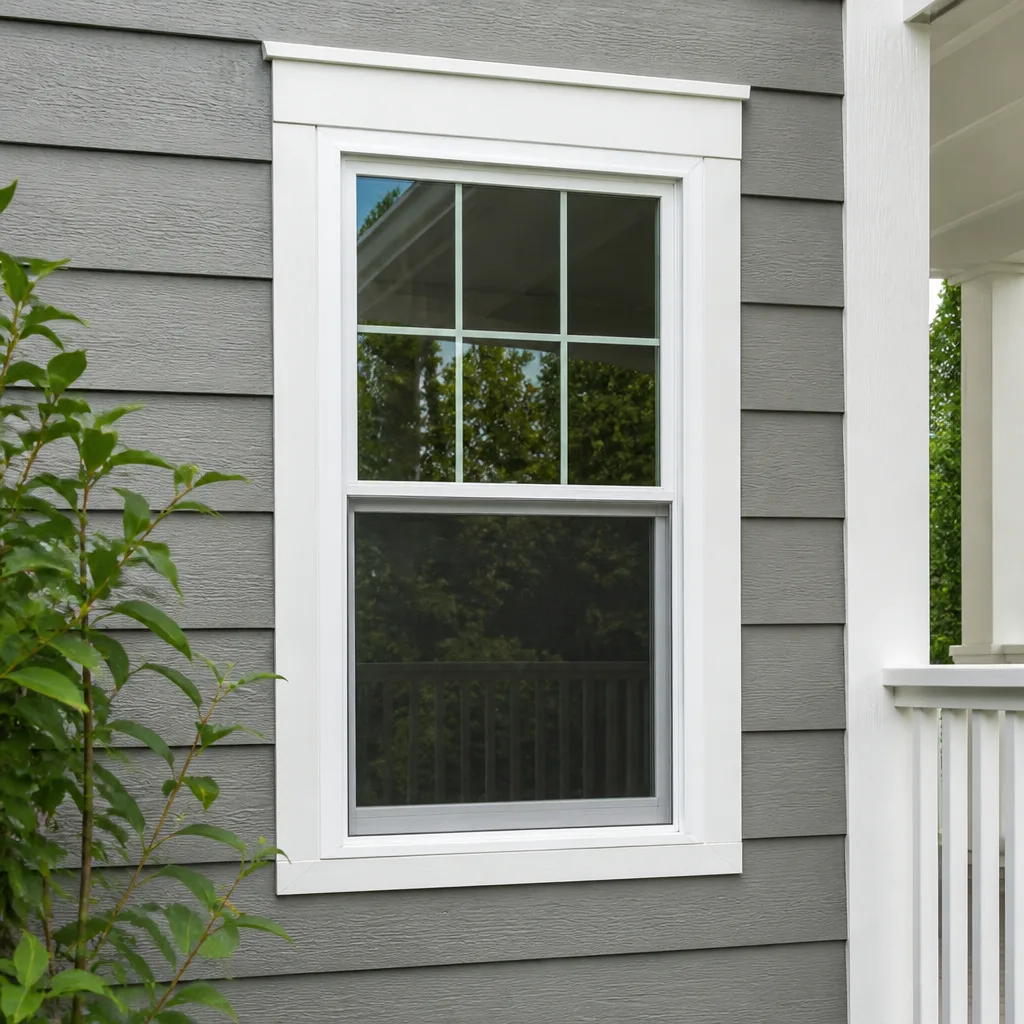 Single hung
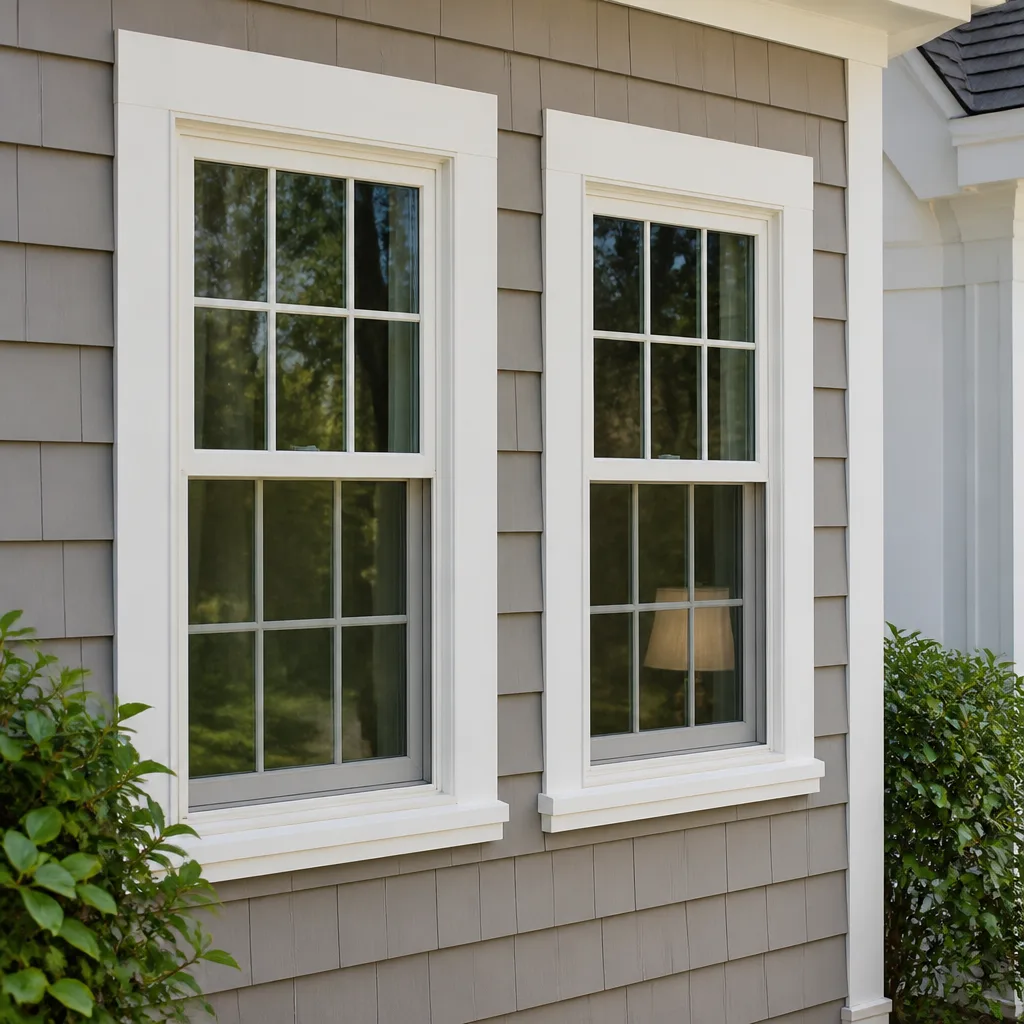 Double hung
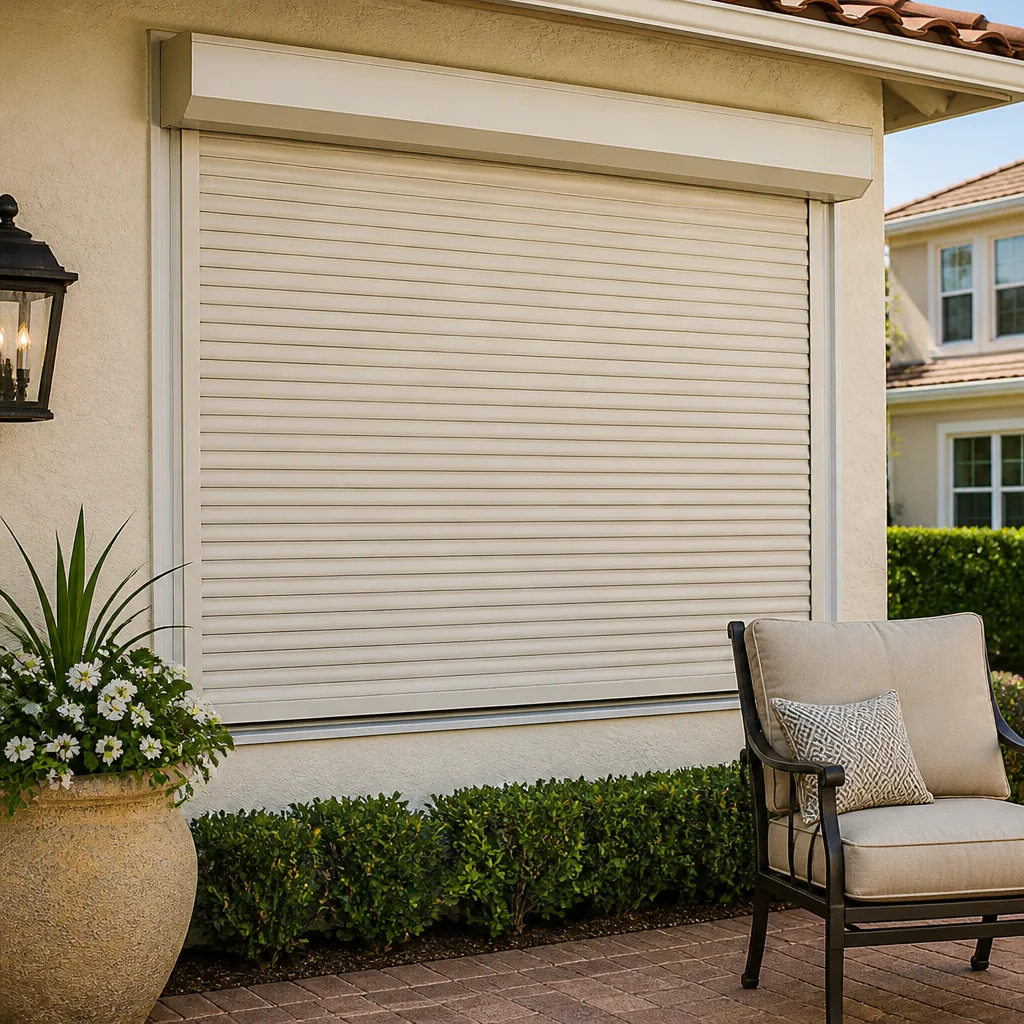 Horizontal roller
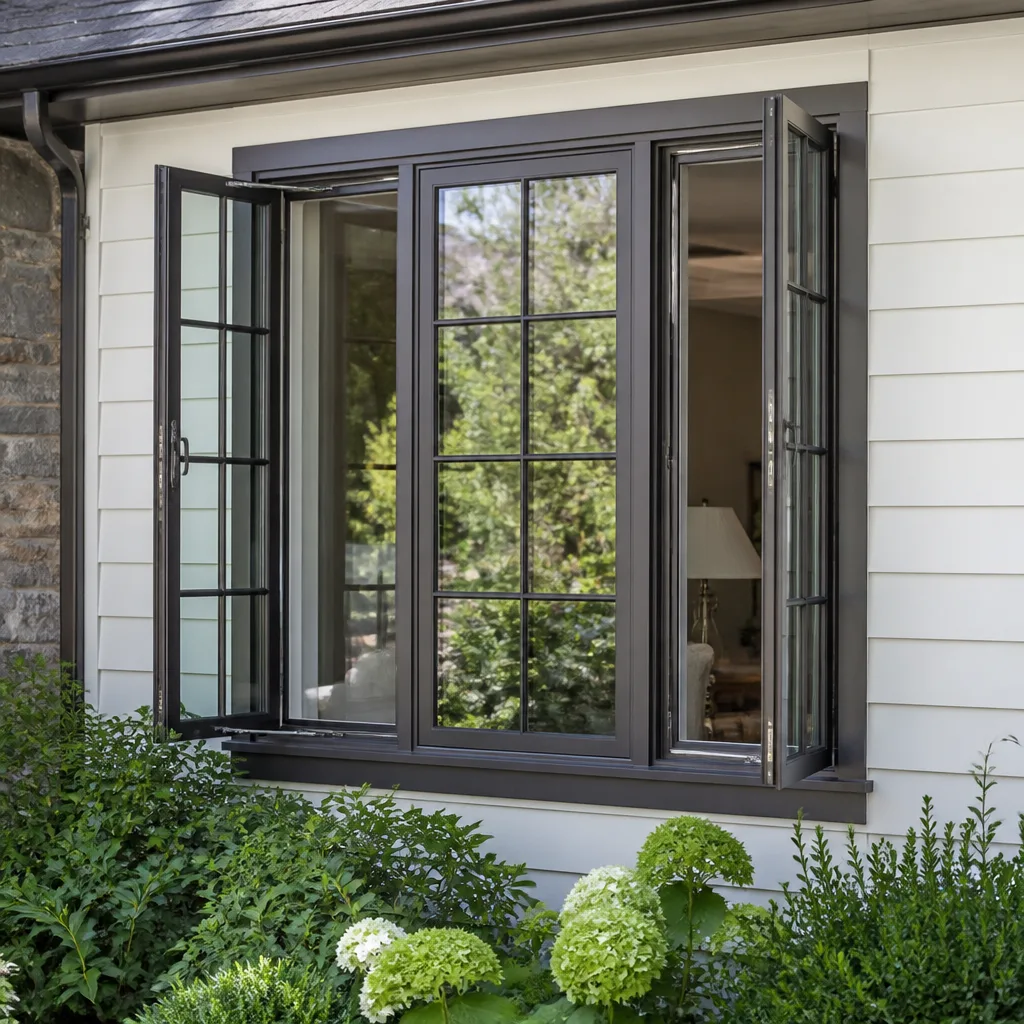 Casement
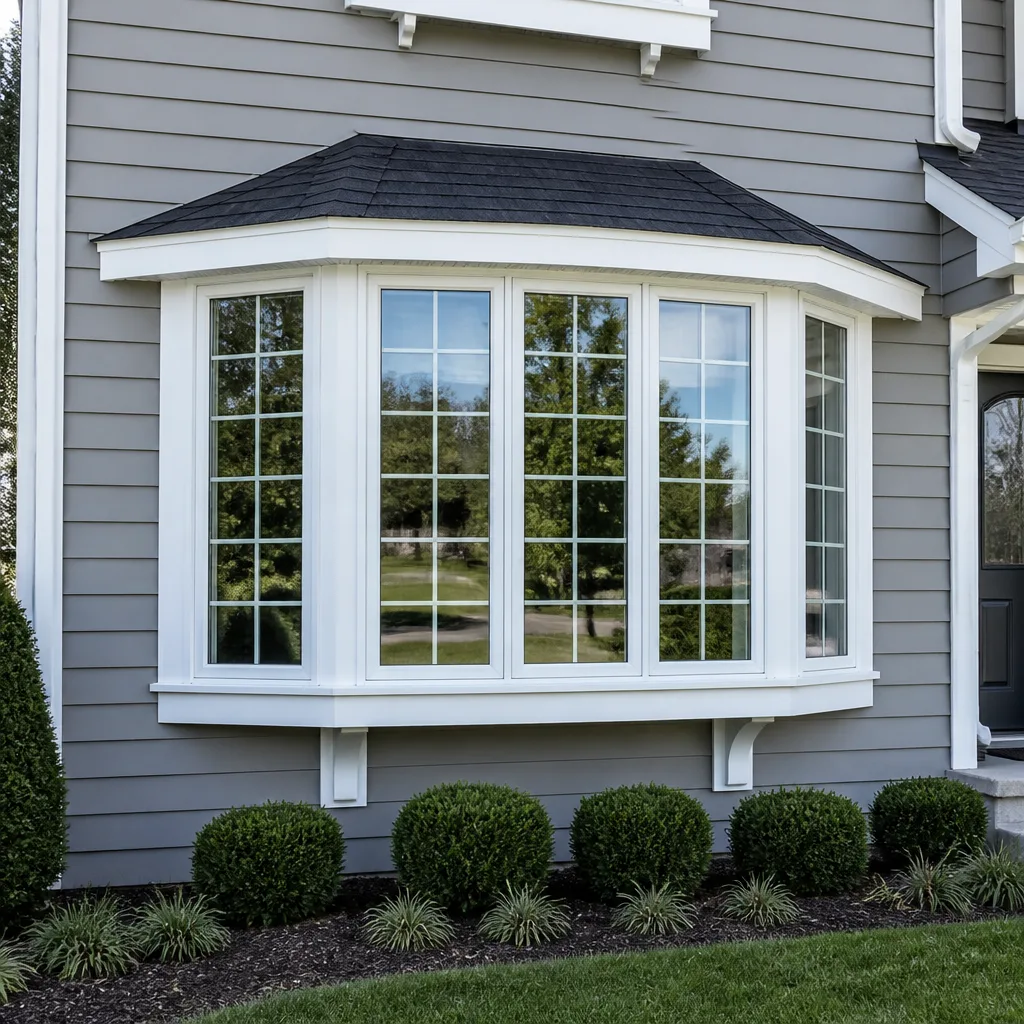 Bay & bow
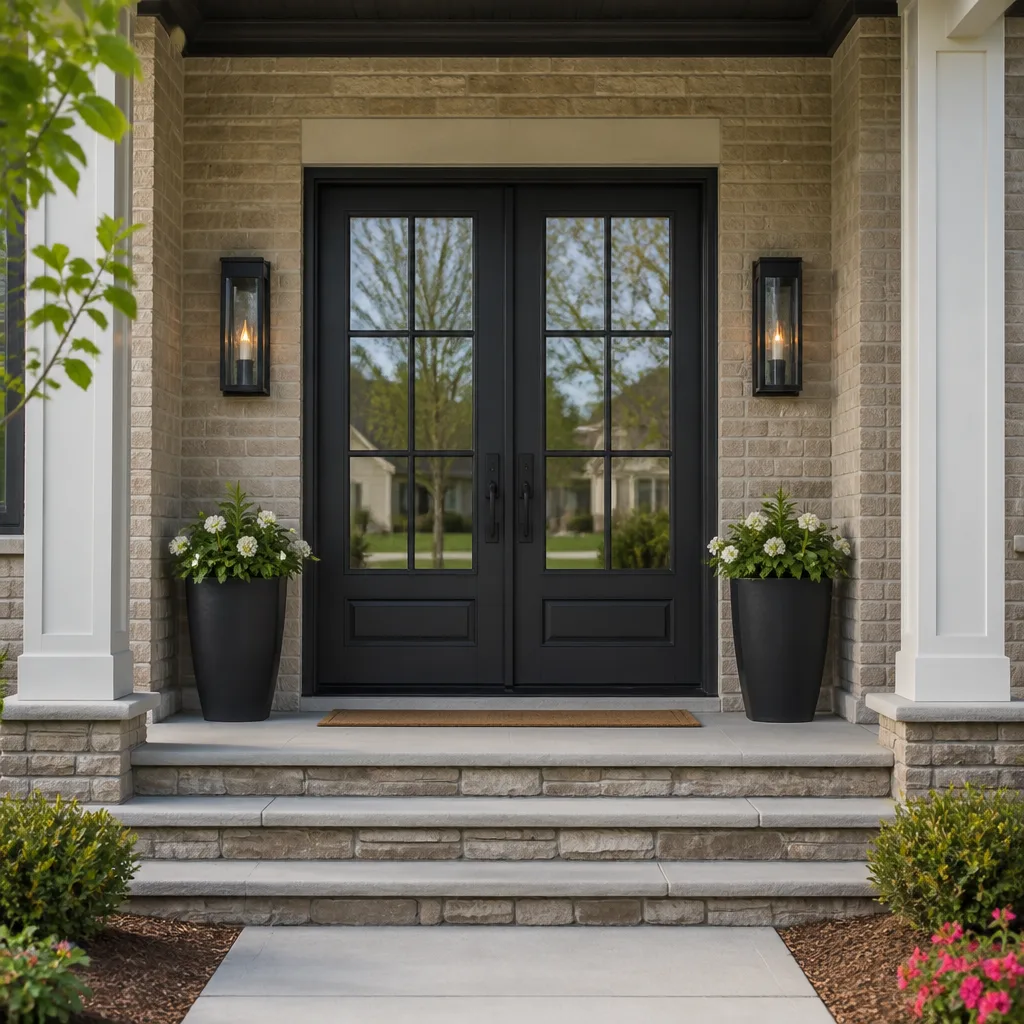 Entry doors
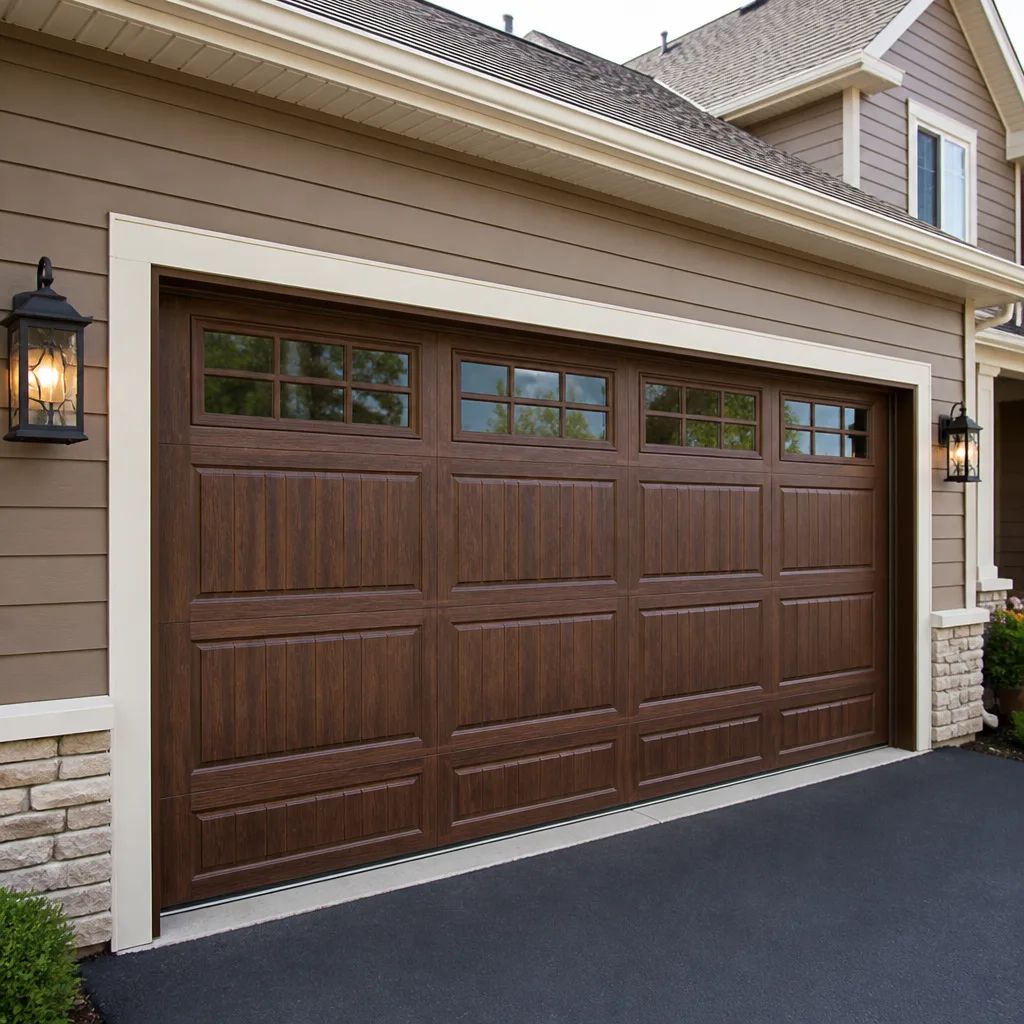 Impact garage doors
 PGT
PGT CGI
CGIFree in-home measure and quote - PGT, CGI and CWS impact lines compared on your actual openings, style by style
Get your free estimateWindows & Doors Permits, Codes & Inspections in CA: What You Need to Know
A contractor who tells you window replacement “usually doesn’t need a permit” in California is either working in a very specific, narrow situation, or he’s about to leave you holding unpermitted work that will complicate your next home sale. The truth is most window and exterior door replacements in Long Beach do trigger a building permit, and the “like-for-like” exemption your neighbor swears by is far narrower than what gets repeated over backyard fences. This guide walks through the actual California Residential Code language, what Long Beach Building and Safety expects at the counter, how Title 24 energy rules get verified during inspection, and what unpermitted work does to you when escrow opens. For The Complete Guide to Windows & Doors in Long Beach, see our companion resource. By the end, you’ll know more about window and door permits than most contractors who install them.
Quick Answer
Most window and exterior door replacements in California require a building permit, including straightforward “same size, same opening” swaps, because the state’s energy code treats any replacement as a compliance event. The repair-and-replacement exemption only applies when you’re changing components like glass or hardware without altering the frame or rough opening. If your Long Beach home is being sold or refinanced, unpermitted window work becomes a disclosure requirement under California Civil Code, and it surfaces during escrow.
Styles & brands we work with
Table of Contents
- What the California Residential Code Actually Says About Window and Door Permits
- Long Beach Building and Safety: What You’ll Need at the Counter
- Title 24 Energy Code: How Inspectors Verify Your Windows Actually Comply
- Unpermitted Window Work: What It Does to Your Sale, Refinance, and Disclosures
- Who Pulls the Permit: You or the Contractor? Insurance and Liability Explained
- The Inspection Walkthrough: What the Inspector Checks, Step by Step
- What Windows and Doors Cost in Long Beach, Including Permit Fees
- Common Mistakes to Avoid
What the California Residential Code Actually Says About Window and Door Permits
The California Residential Code (CRC), which adopts and amends the International Residential Code for use in California, is not ambiguous about window replacement. Section R105.1 states that any construction or alteration of a building requires a permit, and window replacement is an alteration. The code does carve out an exemption in Section R105.2 for “repairs,” but the operative word is repairs, not replacements. When you remove an entire window unit including the frame and install a new unit, even an identical size, you’ve crossed from repair into replacement, and the permit requirement attaches.
We’ve sat through enough counter conversations in Long Beach to say this plainly: the inspector who reviews your plans is reading the same code language, and they interpret “repair” to mean rebuilding or restoring the existing window in place. Replacing a sash, swapping a broken pane, or installing new weatherstripping? That’s repair. Pulling the entire window frame out of the rough opening and setting a new one? That’s replacement, and it needs a permit. The distinction matters because the code’s energy provisions apply differently to each.
For exterior doors, the same logic applies. A new pre-hung door in an existing opening is an alteration, not a repair. Even replacing just the door slab while keeping the existing jamb often triggers a permit when the door is a required egress door, because the code checks for swing direction, width, and threshold height. In Long Beach, where many homes date from the 1920s through the 1960s, older door openings frequently fail current egress width requirements, which is something a non-permitted installer never checks and a building inspector always does.
One more point the “no permit” contractors get wrong: the exemption for “minor work.” California allows certain minor work without a permit, but windows and doors are not on that list. Fences under seven feet, painting, floor coverings, and similar items qualify. Windows and doors do not. Anyone telling you otherwise is confusing their convenience with the code.
Long Beach Building and Safety: What You’ll Need at the Counter
The California Residential Code sets the floor, but local jurisdictions can and do add their own requirements. Long Beach operates its own Building and Safety Division, not a county-run building department, which means the forms, fee schedule, and plan review turnaround in Long Beach are specific to the city. Knowing what to bring before you walk in or submit online saves a round of correction notices and a week of delay.
For a typical window or sliding door replacement project in Long Beach, here is what you’ll assemble:
- A completed building permit application. Long Beach uses an online portal, but you can also file in person at the Development Services Permit Center on West Ocean Boulevard.
- A site plan or floor plan. Mark which windows or doors are being replaced, and note their orientation (north, south, east, west). This matters because Title 24 calculations depend on glazing area by orientation.
- Manufacturer specification sheets. For each window or door, include the NFRC label values: U-factor, Solar Heat Gain Coefficient (SHGC), and Visible Transmittance (VT). The plan reviewer checks these against the climate zone requirements.
- If the opening size changes you’ll also need structural details. Widening a window or door opening requires header sizing, shear wall analysis, and possibly an engineer’s letter. This is the difference between a simple over-the-counter plan check and a full submittal.
- Payment for the permit fee. Long Beach calculates most residential window and door permit fees based on the project valuation. Expect a range, not a flat fee. The valuation is the total cost of materials and labor for the permitted work.
Typical turnaround for a simple window replacement plan check in Long Beach runs from same-day over the counter when the submittal is complete, to five to ten business days for more complex projects that involve multiple openings or structural changes. Projects in historic districts, including Bluff Park and some parts of Belmont Heights, may also require review by the Cultural Heritage Commission or at minimum a compatibility review by planning staff. We’ve learned to tell homeowners in those neighborhoods to add two to three weeks to their timeline.
Title 24 Energy Code: How Inspectors Verify Your Windows Actually Comply
Here is the thing about the California Energy Code, Title 24 Part 6: it does not care what the window manufacturer says on the marketing brochure. It cares what the NFRC label says, and more precisely, what the NFRC label values are for the specific window unit you’re installing. And here is what most homeowners never hear: the factory does not verify compliance. The field inspector does.
Long Beach sits in Climate Zone 6, which is a coastal marine zone with relatively mild temperatures but a strong afternoon sun load. For replacement windows in Climate Zone 6, the prescriptive requirements call for a maximum U-factor of 0.32 and a maximum SHGC of 0.25 in most orientations. Those numbers are not suggestions. The inspector will look at the NFRC labels on your new windows and compare them against the compliance documentation you or your contractor submitted. If the labels don’t match the approved plan, the inspection fails and you’ll be buying new windows or filing a revised compliance calculation.
The inspection order matters, too. For window replacement, the typical sequence is:
- Rough opening inspection. After the old window is removed and the opening is exposed, the inspector checks for water damage, verifies the rough opening dimensions, and confirms the flashing details.
- Installation inspection. With the window set but before interior trim covers the frame, the inspector verifies the anchoring, the level and plumb, and the integration with the weather-resistive barrier.
- Final inspection. The window is fully installed, trimmed, and operational. The inspector operates the window, checks the egress dimensions if it’s an egress window, and confirms the NFRC labels are present and legible.
You cannot skip an inspection. Long Beach requires all three for replacement projects, though the rough opening and installation inspections are sometimes combined at the inspector’s discretion for straightforward projects. We tell our customers in Long Beach to expect two site visits from the inspector: one at rough opening and one at final.
Unpermitted Window Work: What It Does to Your Sale, Refinance, and Disclosures
Unpermitted window and door work might save you a few hundred dollars on the front end, but it becomes a line item on your seller’s disclosure, and that line item has consequences. California Civil Code Section 1102 requires sellers of residential property to disclose all material facts affecting the property’s value or desirability. Unpermitted construction is a material fact. Period.
What we see in Long Beach real estate transactions, and we see it regularly, is that the unpermitted work usually surfaces in one of three ways. For a deeper look at the warning signs, read Windows & Doors Warning Signs: A Long Beach Homeowner’s Reference Guide. Sometimes the seller discloses it openly because their agent insists on it. Sometimes the buyer’s home inspector flags windows that are newer than the permit history shows. And sometimes the title company or escrow officer pulls the building permit history as a matter of course for a refinance and finds no record of the window replacement. Any one of those paths leads to the same place: the deal gets complicated.
The practical consequences vary, but they always cost money or time, and often both:
- The buyer demands a retrofit permit. You can legalize unpermitted work after the fact, but it requires opening walls to expose the installation, paying the permit fees, and passing inspection. If the work doesn’t meet current code, you’ll also be paying to fix it.
- The buyer prices the risk. Some buyers proceed with the purchase but deduct the estimated cost of legalization, which in our experience ranges from two to five times what the original permit would have cost.
- The lender balks. On a refinance, some lenders will not fund a loan on a property with known unpermitted work until it’s legalized. The refinance gets delayed or collapses.
- Insurance gets complicated. If a claim arises from unpermitted work, the insurance company may deny coverage. For windows and doors, the classic claim is a water leak that damages framing, flooring, or drywall. The permit record is one of the first things an adjuster pulls.
The fix is not retroactive. The fix is pulling the permit before the work starts. If you own a Long Beach home with unpermitted window work from a previous owner, Long Beach Building and Safety does process after-the-fact permits, but the inspection will be invasive because the inspector cannot verify what they cannot see.
Who Pulls the Permit: You or the Contractor? Insurance and Liability Explained
California law allows a homeowner to pull their own building permit for work on their primary residence, provided they are doing the work themselves or acting as their own general contractor. Not sure which path fits your situation? Our DIY vs Professional Windows & Doors: The Long Beach Homeowner’s Decision Guide breaks down the trade-offs. That’s not a loophole. That’s a legal right, and it comes with a set of obligations that most homeowners don’t fully absorb until something goes wrong.
The core distinction is this: when you pull the permit as an owner-builder, you are the responsible party of record. The contractor working under your permit is your employee for the purposes of that job, even if they’re an independent contractor for every other job they do. The implications are specific:
- Workers’ compensation. If the contractor or their crew is injured on your job site and they don’t carry their own workers’ compensation insurance, your homeowner’s policy may be the only coverage in play. When the contractor pulls the permit, their workers’ compensation coverage is part of what the permit validates.
- Liability for defects. The permit holder is the party the city holds responsible for code compliance. If the work fails inspection, you as owner-builder are the one answering the correction notice, even if you paid someone else to do the work.
- Construction liability insurance. Reputable window and door contractors carry general liability insurance. Owner-builders almost never carry construction liability, and their standard homeowner’s policy typically excludes construction defect claims arising from owner-builder work.
There are legitimate reasons to pull your own permit if you’re swinging a hammer yourself and you know what the code requires. But if you’re paying a contractor to install windows, the permit should be in their name. A contractor who asks you to pull the permit is usually avoiding something: their own insurance cost, their own licensing record, or their own responsibility for the inspection outcome.
When we install windows in Long Beach, we pull the permit under our license, and Keith Yamada’s name goes on the application. The homeowner’s name appears as the property owner, but the responsibility for code compliance, inspections, and corrections sits with us. That’s the way it should work, and it’s what the 365-Day Done Right Promise means in practice: if the inspector finds something wrong, it’s our correction to make, not yours to chase.
The Inspection Walkthrough: What the Inspector Checks, Step by Step
The inspection is where the permit process actually does its work, and understanding what the inspector looks at will save you from a failed inspection and a delay. Here’s the walkthrough, in the order a Long Beach inspector typically follows.
Step 1: Permit card and plan match. The inspector will check that the permit card is posted on site and that the work in progress matches the approved plan. If the plan shows three windows on the east elevation and the installer has already done three windows plus a sliding door, the inspection stops immediately. The scope changed without approval.
Step 2: Rough opening conditions. Before a new window goes in, the inspector examines the exposed rough opening: the condition of the framing, the presence of any water damage or rot, and the size of the opening relative to the approval. This is the moment where pre-existing damage gets documented, which protects you as the homeowner from a contractor who covers up rot with a new window and calls it a finished job.
Step 3: Flashing and water-resistive barrier. California is unusually strict about water management around window and door openings, and for good reason: a flashed window is the difference between a dry wall cavity and a mold problem five years later. The inspector verifies that the sill pan flashing is present, that the jamb flashing is integrated with the house wrap, and that the head flashing sheds water outward.
Step 4: Anchoring and shimming. Windows get anchored to the framing per the manufacturer’s installation instructions, which are part of the approved permit package. The inspector checks spacing and placement, and verifies that the window is shimmed level and plumb without distorting the frame.
Step 5: Egress compliance. For any window serving a sleeping room, the inspector measures the clear opening: minimum 5.7 square feet of net clear opening, minimum 24 inches of clear height, minimum 20 inches of clear width, and a sill height no more than 44 inches above the floor. Older Long Beach homes frequently fail this on the replacement because the original window was grandfathered, but the replacement is not. That’s a common and expensive surprise.
Step 6: NFRC label verification. The inspector reads the NFRC labels on the installed windows and compares them to the compliance documentation. The U-factor and SHGC on the label must meet or exceed the values on the approved plans. If they don’t, the correction is not a small one: the windows typically must be replaced, because the label values are fixed at the factory.
Step 7: Final operation. The inspector opens and closes the window, checks the locks and hardware, and confirms the window operates as intended. For doors, this includes the swing, the latch, the threshold height, and the weatherstripping.
Each of these seven steps exists because something specific has gone wrong in the past when it wasn’t checked. The permit and inspection system is not bureaucratic overhead. It’s the accumulated memory of every water leak, every egress failure, and every false energy claim that came before you.
What Windows and Doors Cost in Long Beach, Including Permit Fees
Window and door pricing in Long Beach varies widely by product line, installation complexity, and the condition of the existing openings. What we can give you are the ranges we quote most often, and the permit fees that ride on top.
For a standard vinyl replacement window, installed, most Long Beach homeowners pay between $600 and $1,400 per opening. For higher-performance products, including aluminum thermally broken frames from brands like ES Windows or impact-rated lines from PGT and CGI, the installed range climbs to $1,500 to $3,200 per opening. Wood windows, including Therma-Tru door systems, typically land between $1,200 and $2,800 per opening. These are installed prices, not product-only numbers.
Exterior door replacement follows a similar curve. A standard fiberglass entry door, installed, runs $1,800 to $3,500. An impact-rated or custom door from a line like ViewLux or Mr-Glass starts around $3,000 and can reach $7,000 for a full system with side lites and a transom. A sliding glass door replacement, which is the most common larger opening in Long Beach homes, runs $2,500 to $6,000 installed depending on size and glass package.
Permit fees for window and door work in Long Beach are calculated on project valuation, not per window. For a typical 5- to 8-window replacement, you should budget $350 to $750 for the permit, plus any plan review fees. For a job that includes a structural change to an opening, the total permit and engineering costs run higher, typically $800 to $1,800, because the structural review is separate from the standard plan check.
Those permit fees are not a tax. They fund the inspection that verifies the work, and they’re the cheapest insurance you’ll ever buy for a job measured in five figures.
Common Mistakes to Avoid
- Believing the “like for like” myth. The exemption you keep hearing about doesn’t exist in the CRC. Same-size replacement windows still require a permit and still trigger Title 24 compliance. The only real exemption is repair of existing components without altering the frame.
- Pulling the permit as an owner-builder while a contractor does the work. This puts you in the liability chain for the contractor’s crew, their safety, and their code compliance. Let the contractor pull the permit.
- Skipping the rough opening inspection because the contractor says it’s “just a window swap.” The rough opening inspection is where water damage and framing rot get documented. Skip it and that damage disappears behind new trim.
- Buying windows before checking the NFRC values against Long Beach’s Climate Zone 6 requirements. The U-factor and SHGC printed on the label are what the inspector checks. If they don’t match the compliance plan, the windows come out.
- Letting a contractor install before the permit is issued. Starting work before the permit is in hand is a code violation, and Long Beach can issue a stop-work order. The permit comes first.
- Ignoring the egress rule on bedroom windows. Older homes in Long Beach often have bedroom windows that don’t meet current egress sizing. A replacement must meet current code, which sometimes requires enlarging the opening and upgrading the header. That’s not a surprise you want at inspection.
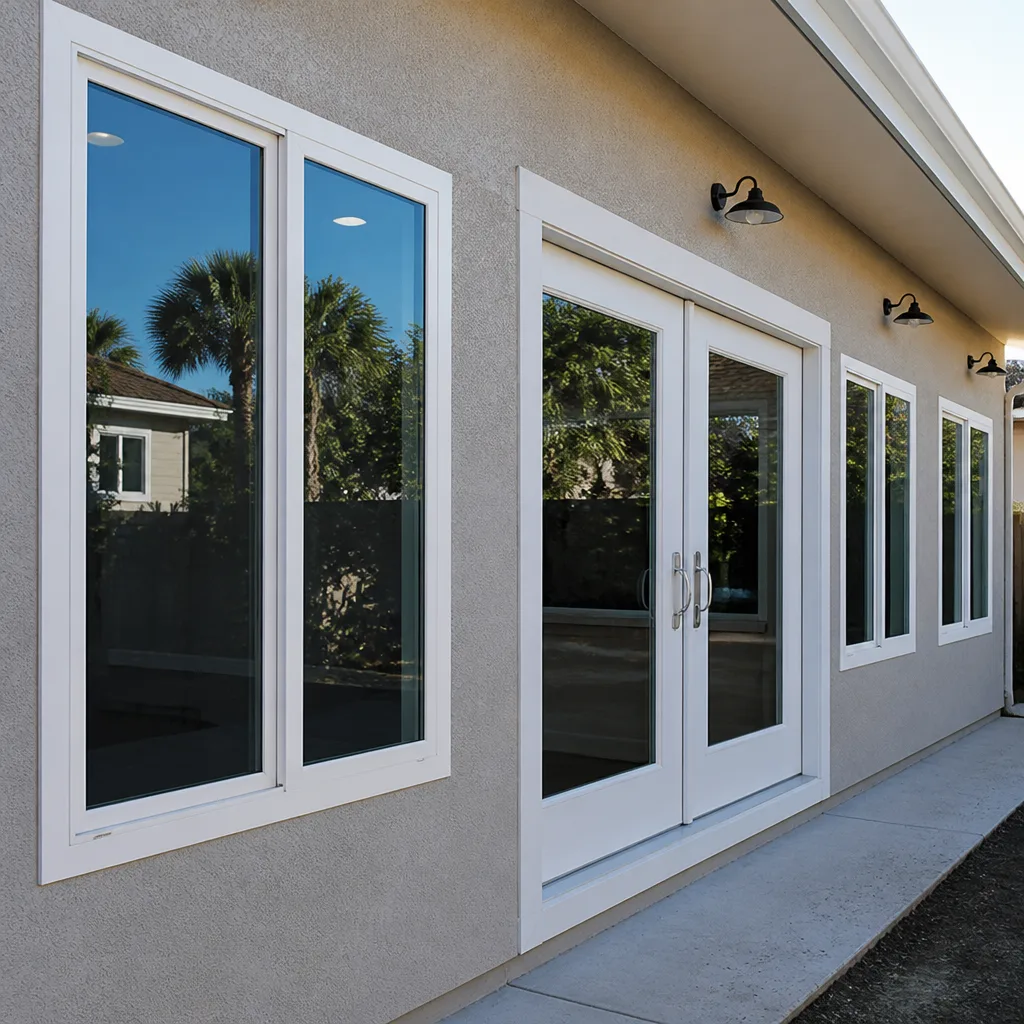
See the difference
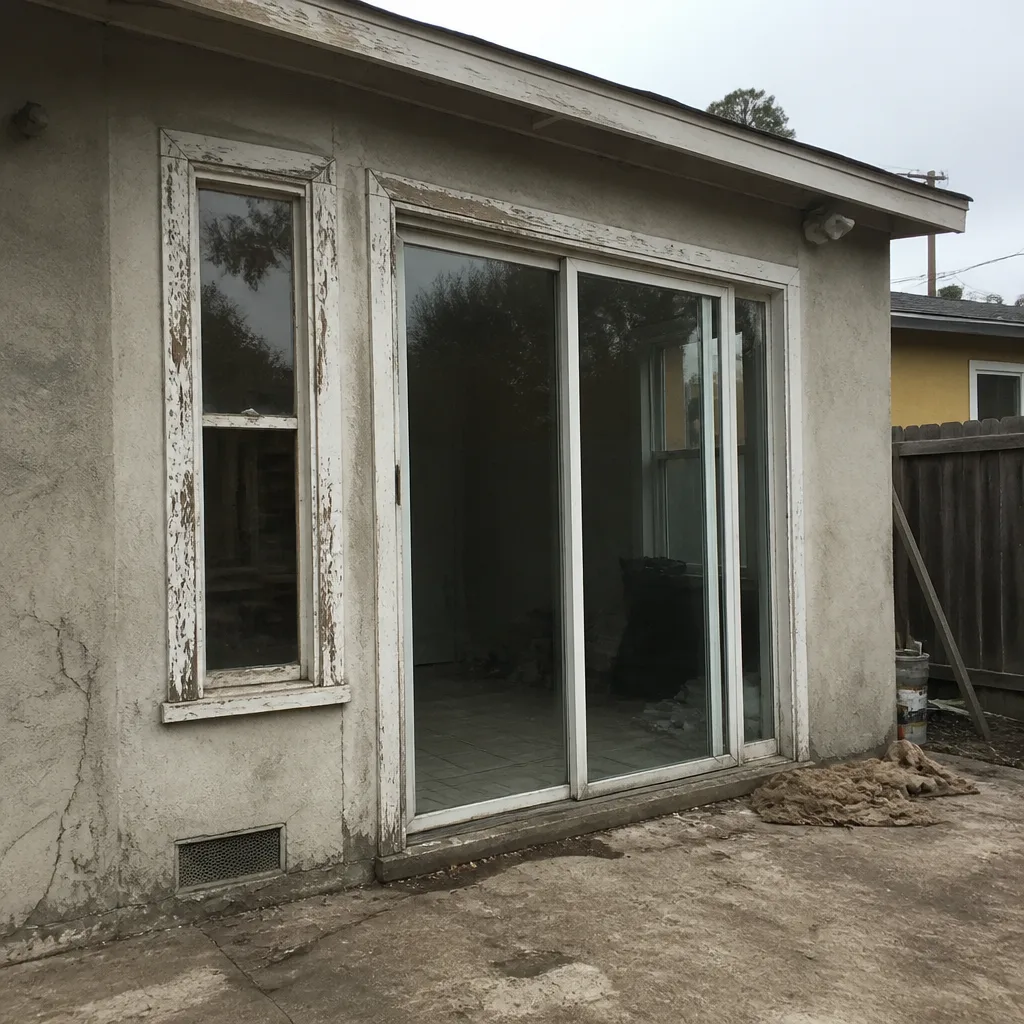 Before
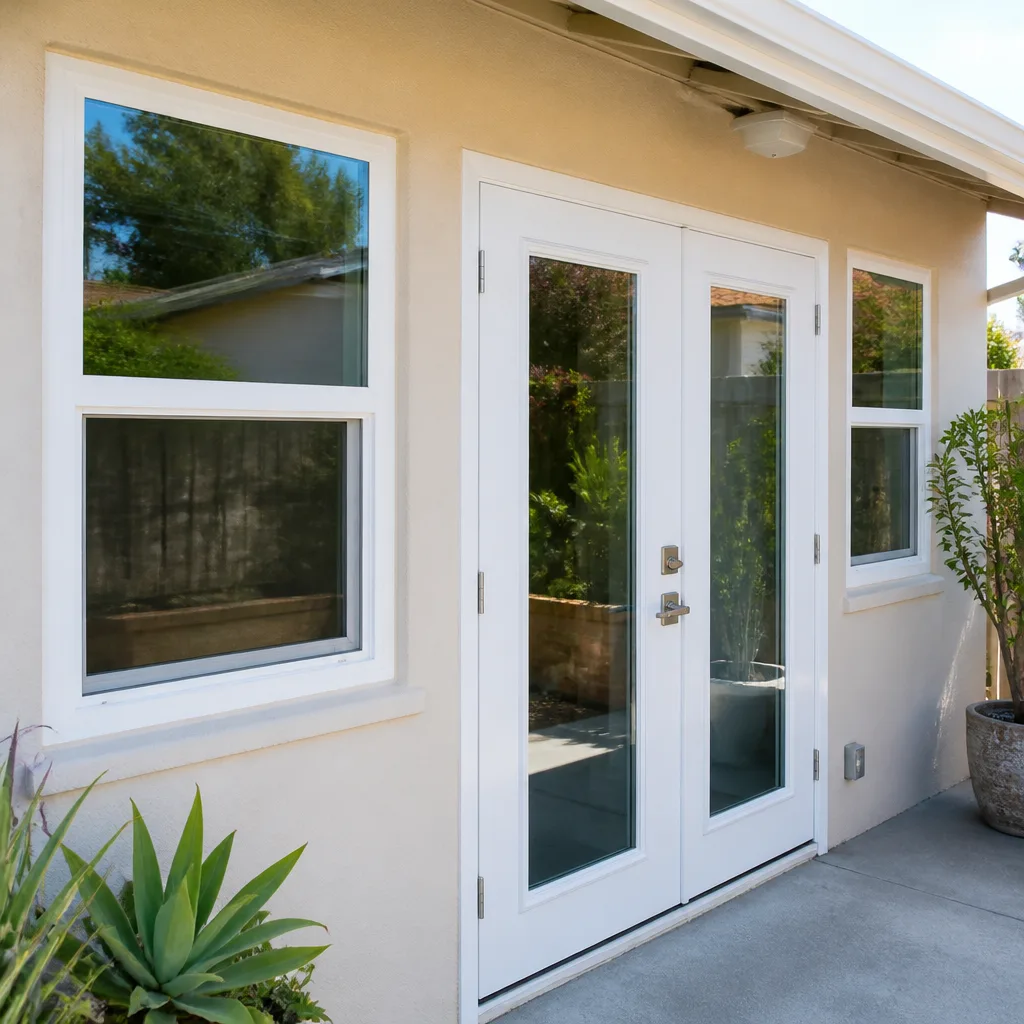 After
After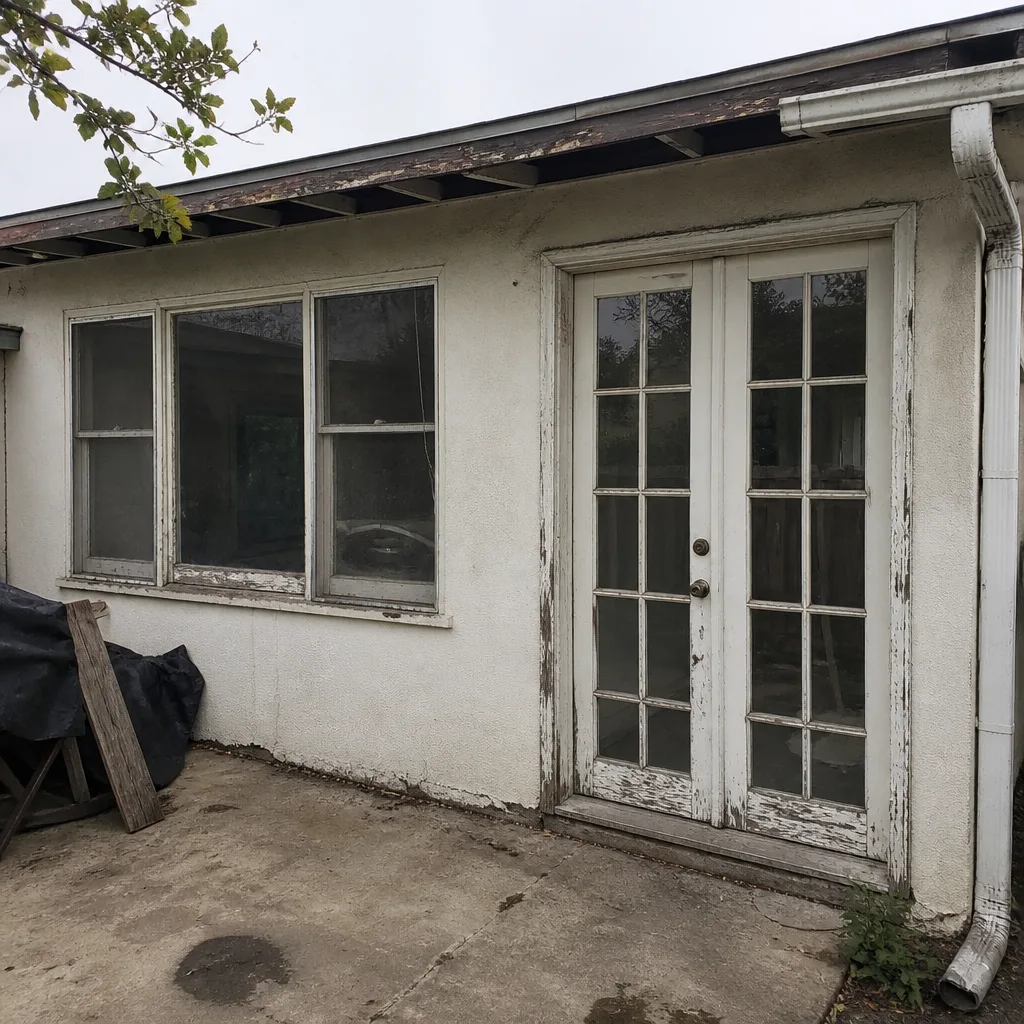 Before
 After
After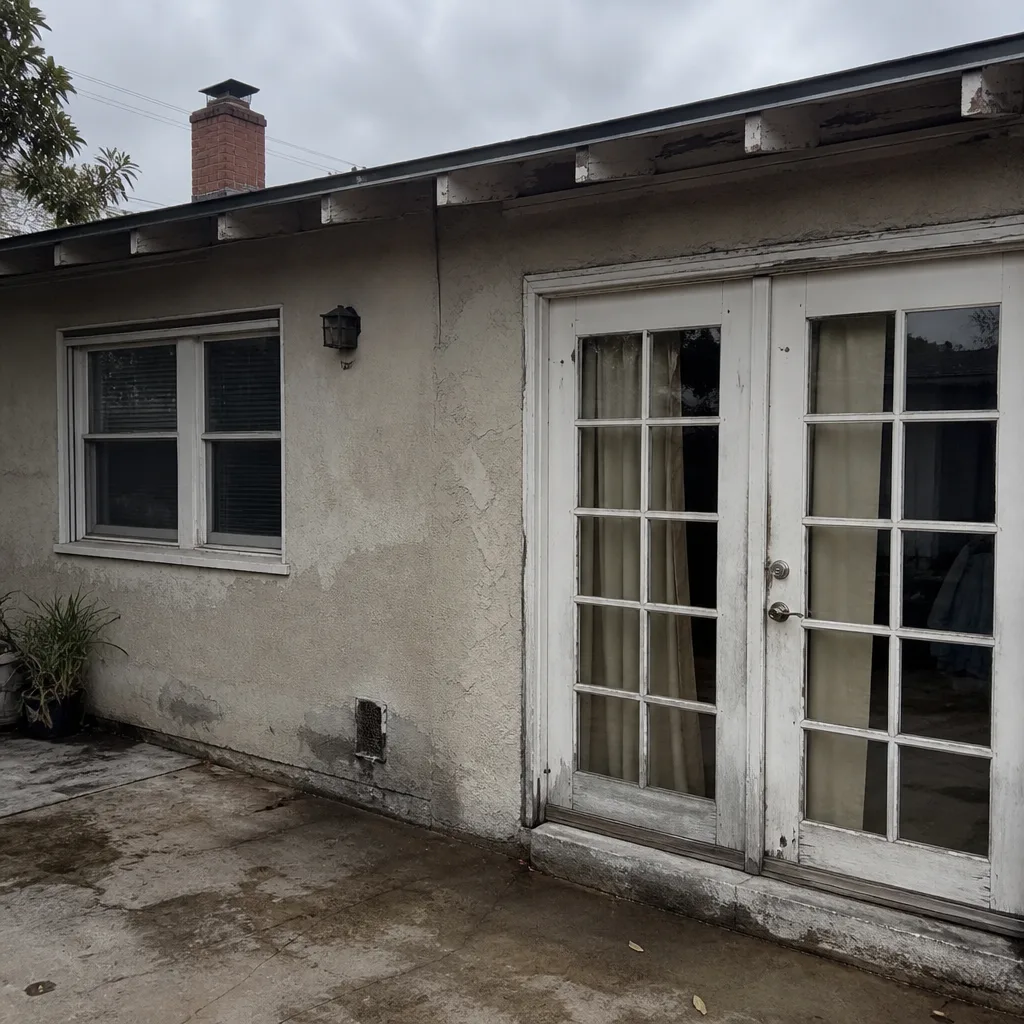 Before
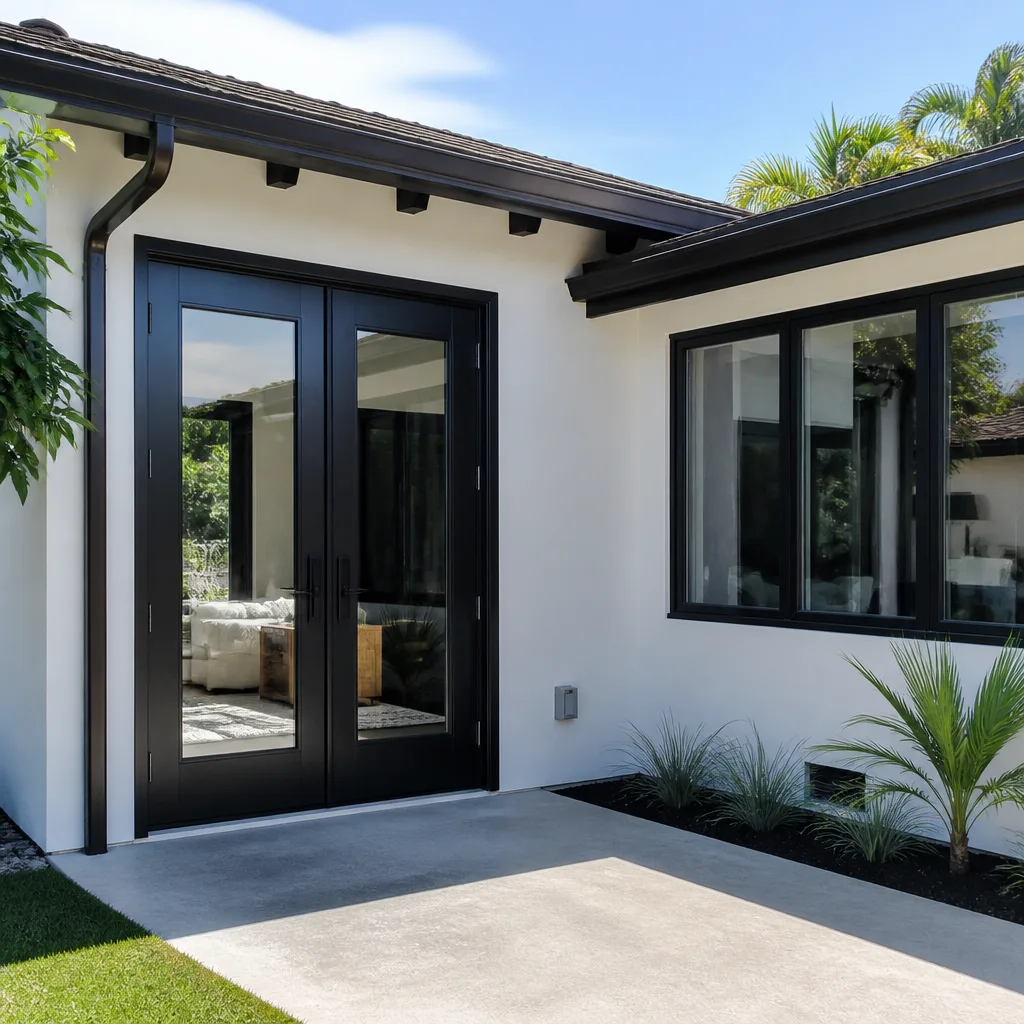 After
AfterWhen to Call a Professional
Window and door permitting in California is learnable, but it is not simple, and the cost of getting it wrong compounds. If your project involves multiple openings, a structural change to a rough opening, a home in a Long Beach historic district, or a house built before 1960 where lead paint and old framing are likely, the permit process is not your weekend project. If a contractor tells you no permit is needed and you have any doubt, get a second opinion before signing anything. You can also explore more guides & resources on our blog to prepare for your project. Lightwell Windows Long Beach offers free estimates in Long Beach, and we’ll walk you through the permit requirement for your specific project before any work is scheduled. Call (562) 912-3327 to talk to a live person who can answer your questions now, not after a voicemail.
Frequently Asked Questions
Yes, most window replacements in Long Beach require a building permit, including same-size replacements, because replacement triggers Title 24 energy compliance verification. The only exemption is repair of components like glass or hardware without altering the window frame. Call (562) 912-3327 for a free estimate and we’ll confirm the permit scope for your specific project.
Unpermitted window work becomes a material disclosure on your home sale, can complicate a refinance, and may void insurance coverage for related claims. Long Beach processes after-the-fact permits, but the inspection is invasive and corrections to meet current code can cost far more than the original permit would have.
For a typical 5- to 8-window replacement, Long Beach permit fees run $350 to $750 based on project valuation. A structural change to an opening adds engineering and plan review costs, typically bringing the total to $800 to $1,800. The exact fee is set at the counter or through the online portal after submittal.
The inspector checks permit-plan match, rough opening framing and water damage, flashing and water-resistive barrier integration, anchoring and shimming, egress dimensions, NFRC label values against the compliance plan, and final operation of the window. Each step addresses a specific failure mode that the code was written to prevent.
Yes, homeowners may pull their own permits as owner-builders on their primary residence, but doing so makes you the responsible party for code compliance and workers’ compensation. If a contractor is doing the work, the permit should be in their name so their insurance and liability carry the job.
A simple same-size window replacement can get a same-day over-the-counter plan check if the submittal is complete. Inspections are typically scheduled within 48 to 72 hours, and a straightforward project runs from permit issuance to final inspection in one to three weeks. Historic district review adds two to three weeks.
The Bottom Line
California’s window and door permit rules are not a gray area. Replacement requires a permit, Title 24 compliance is verified at inspection not at the factory, and the NFRC label on your window is the document the inspector reads. Unpermitted work follows you into every future sale, refinance, and insurance claim. In Long Beach, the path is clear: check the Climate Zone 6 energy numbers before you buy, pull the permit before the work starts, and make sure the contractor’s name is on the application if they’re doing the installation. The permit is not overhead. It’s the record that protects you when the work is done and the crew has gone home.
Written by Keith Yamada, Owner at Lightwell Windows Long Beach, serving Long Beach since 2010.
Ready to talk about your window or door project? Call (562) 912-3327 for a free estimate, or visit our Lightwell Windows Long Beach home page to learn more about how we work. You can also read about our Window Replacement in Long Beach process, our Window Installation in Long Beach standards, and our Door Installation in Long Beach services.
Six Reasons Homeowners Choose Lightwell Windows Long Beach
Laminated glass and reinforced frames hold up to wind-driven rain, hail and flying debris, so your openings stay sealed when the weather turns.
Low-E insulated impact glass from our manufacturer lines commonly cuts monthly cooling bills 20-30%.
Laminated impact glass shuts out up to 40% of outside noise - traffic, neighbors, weather.
Monitoring services run $30-90 a month. Laminated impact glass resists forced entry around the clock, with no subscription.
Tighter seals and insulated glass even out hot and cold rooms and stop the drafts at the frame.
A full impact package upgrades curb appeal, buyer confidence and appraised value in one project.