
Last updated October 17, 2026
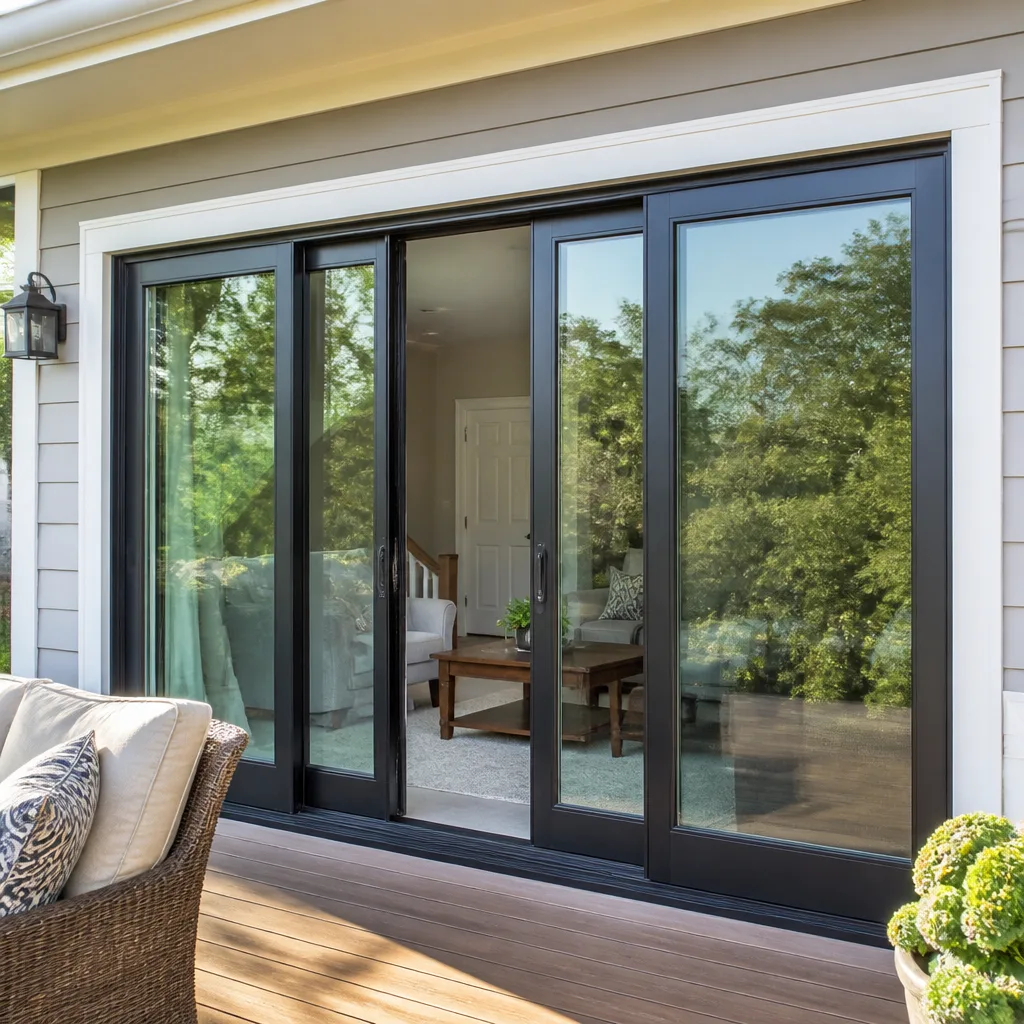 Sliding glass doors
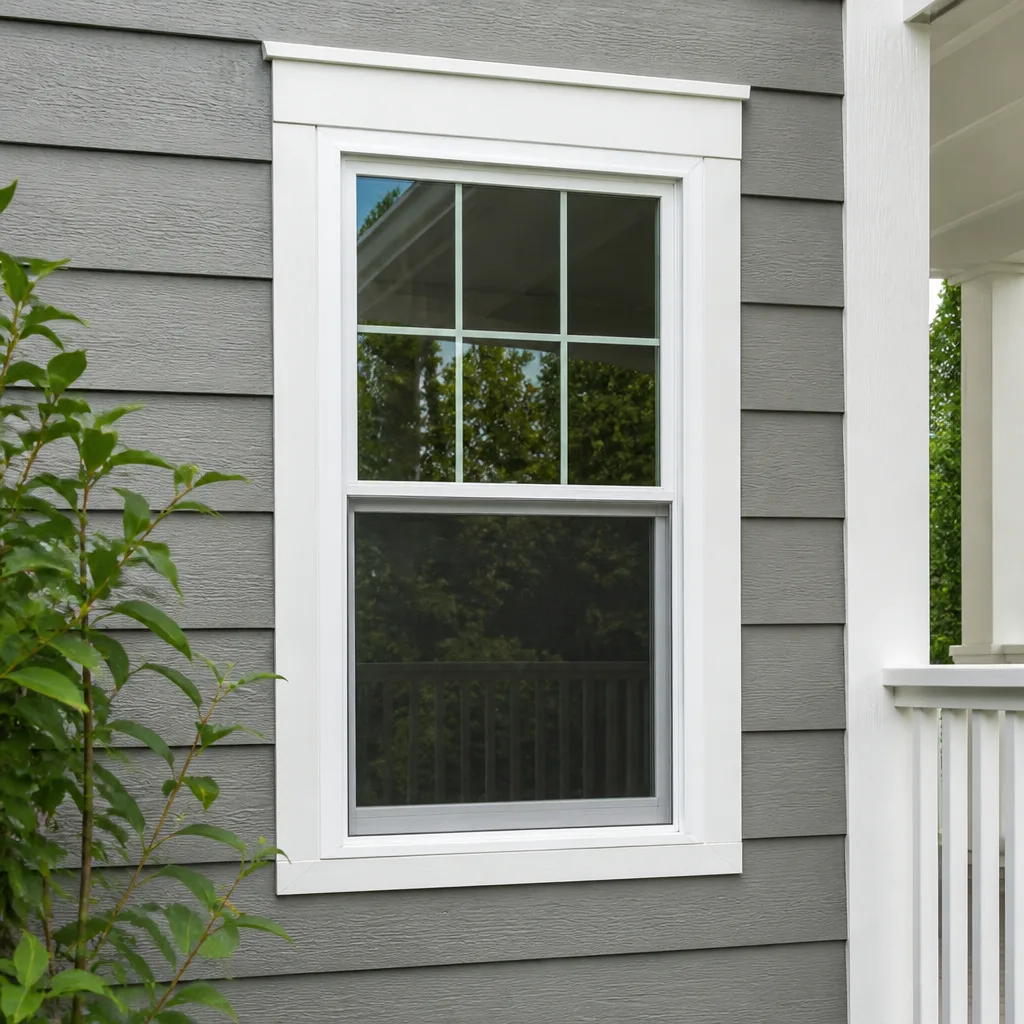 Single hung
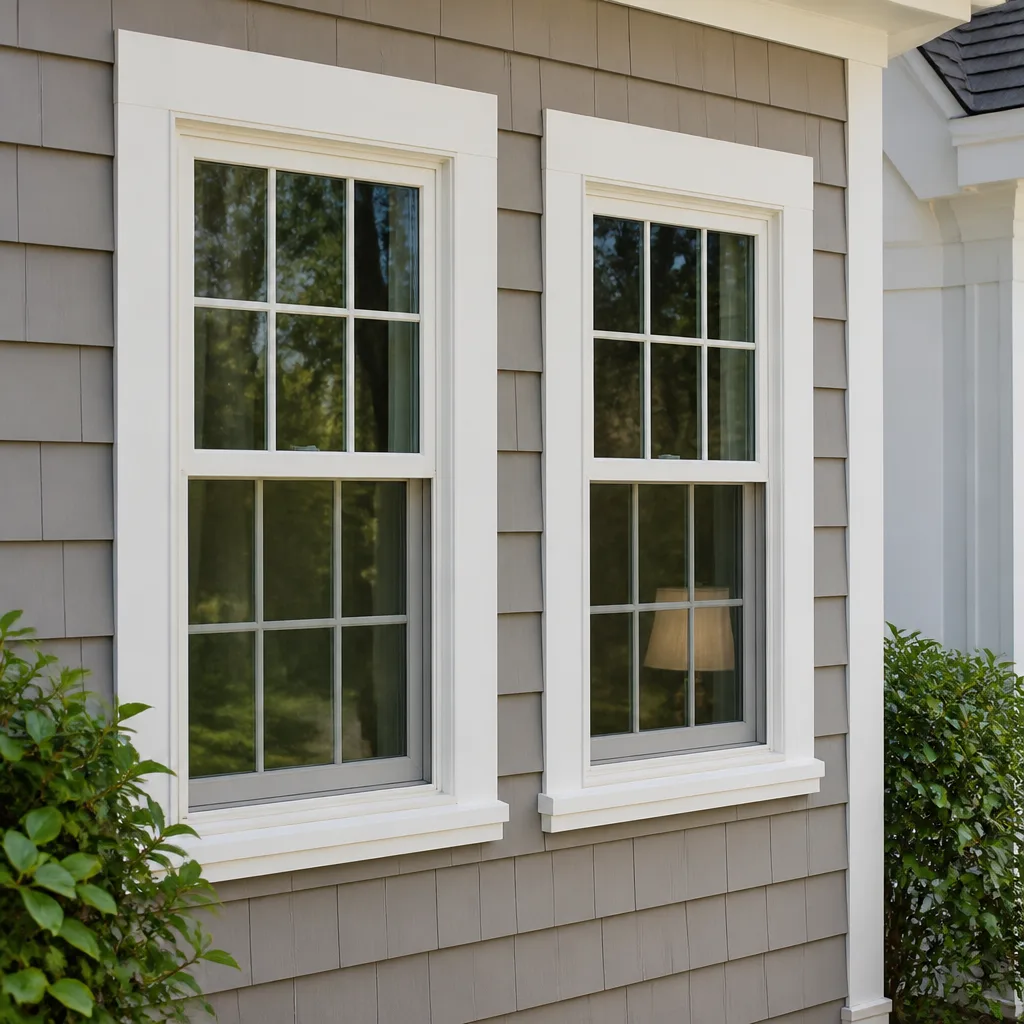 Double hung
 Horizontal roller
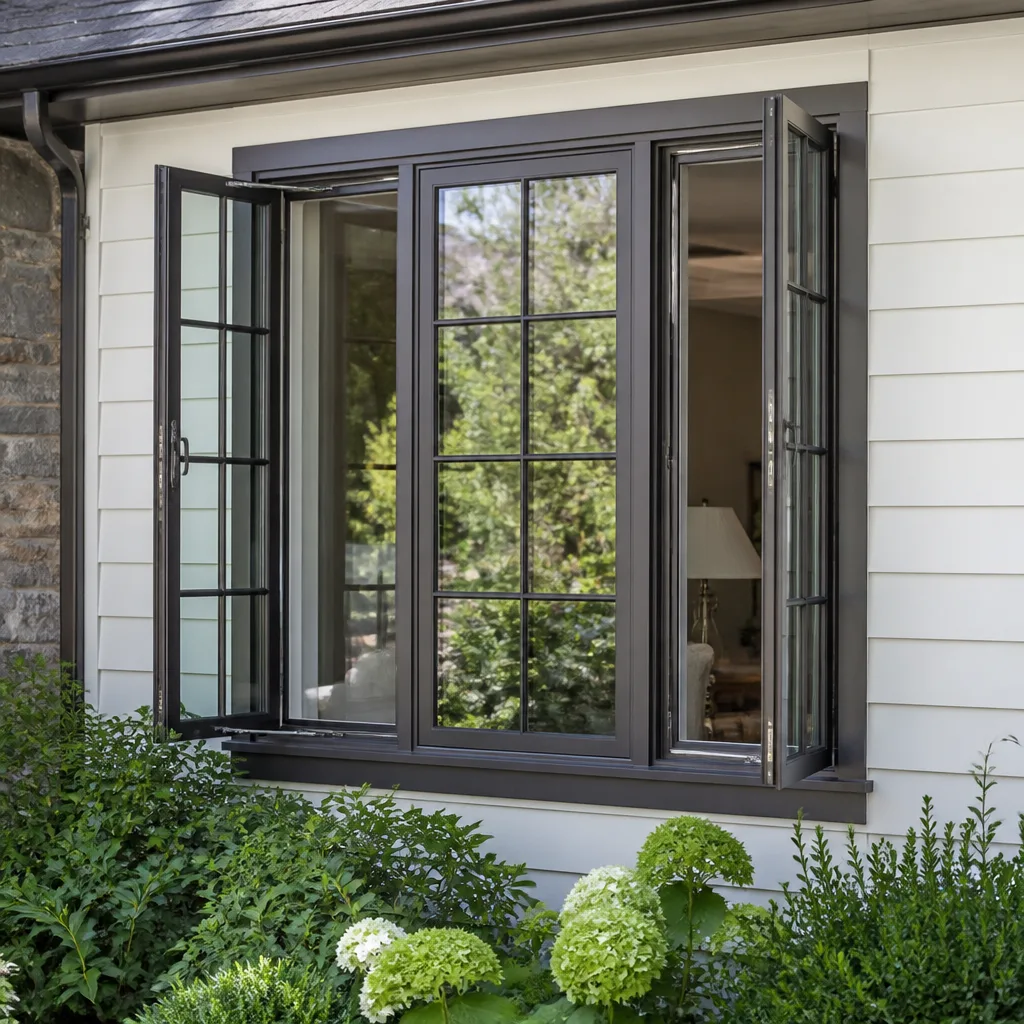 Casement
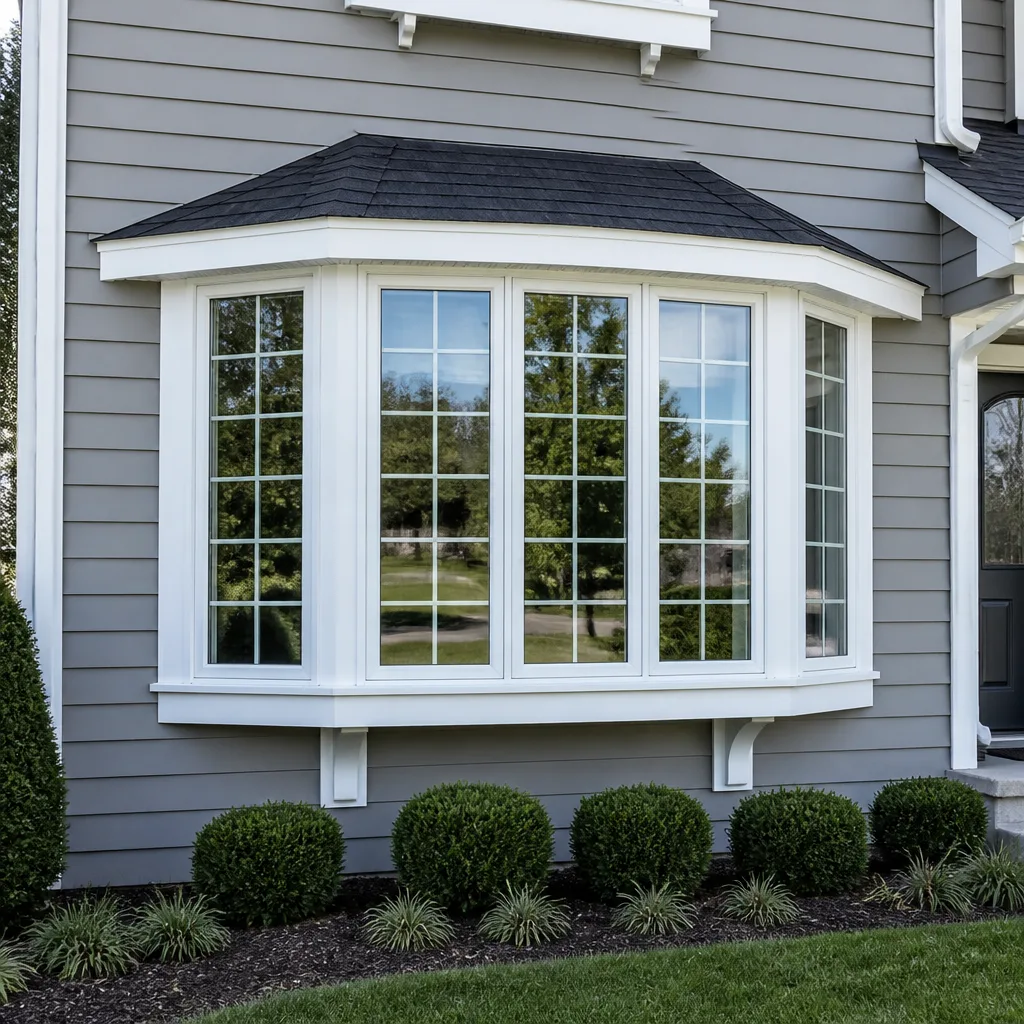 Bay & bow
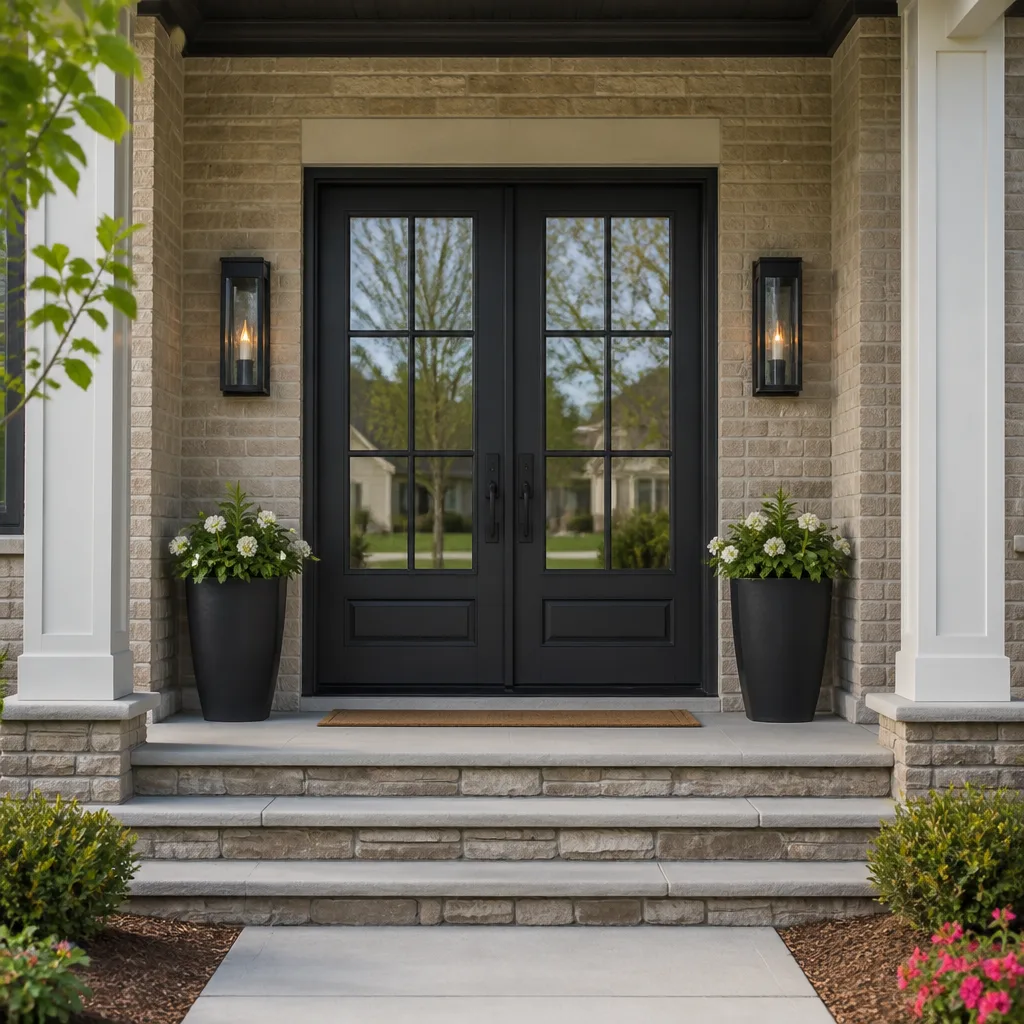 Entry doors
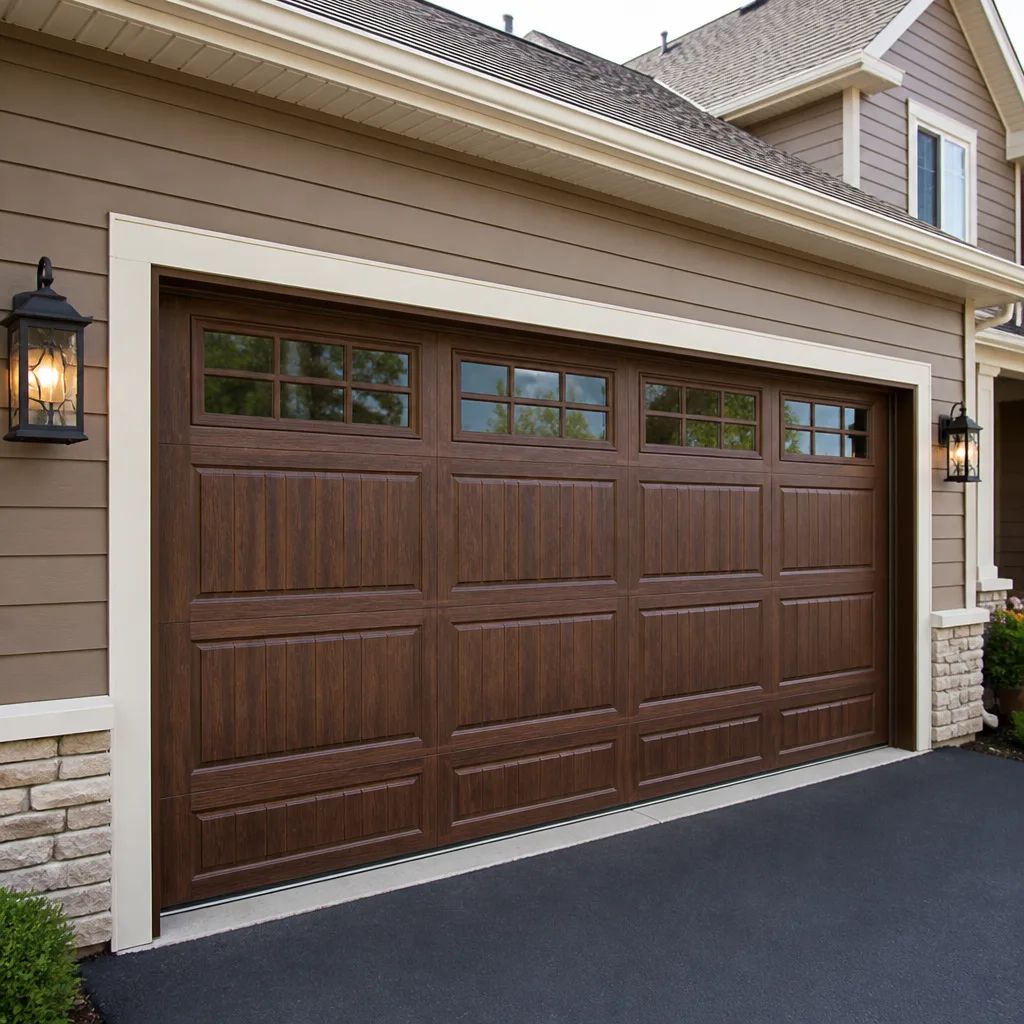 Impact garage doors
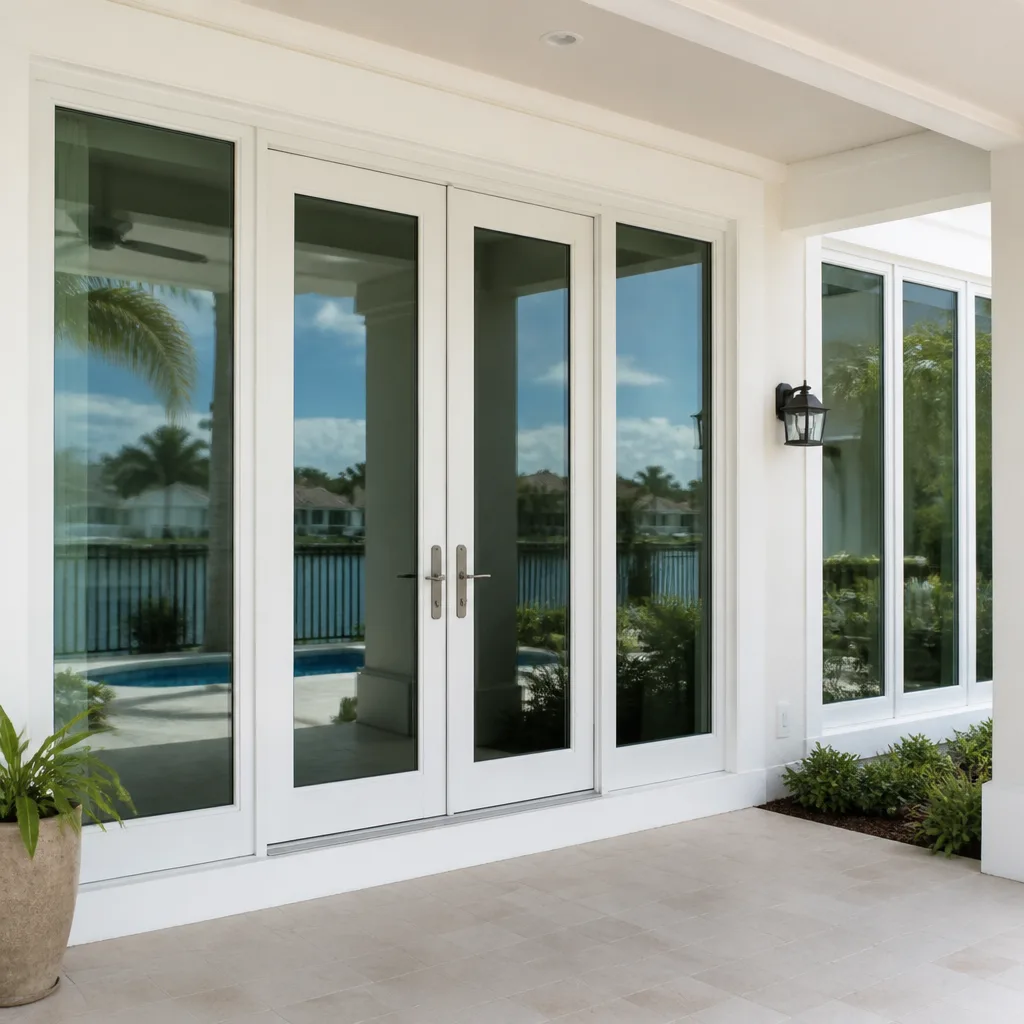 PGT
PGT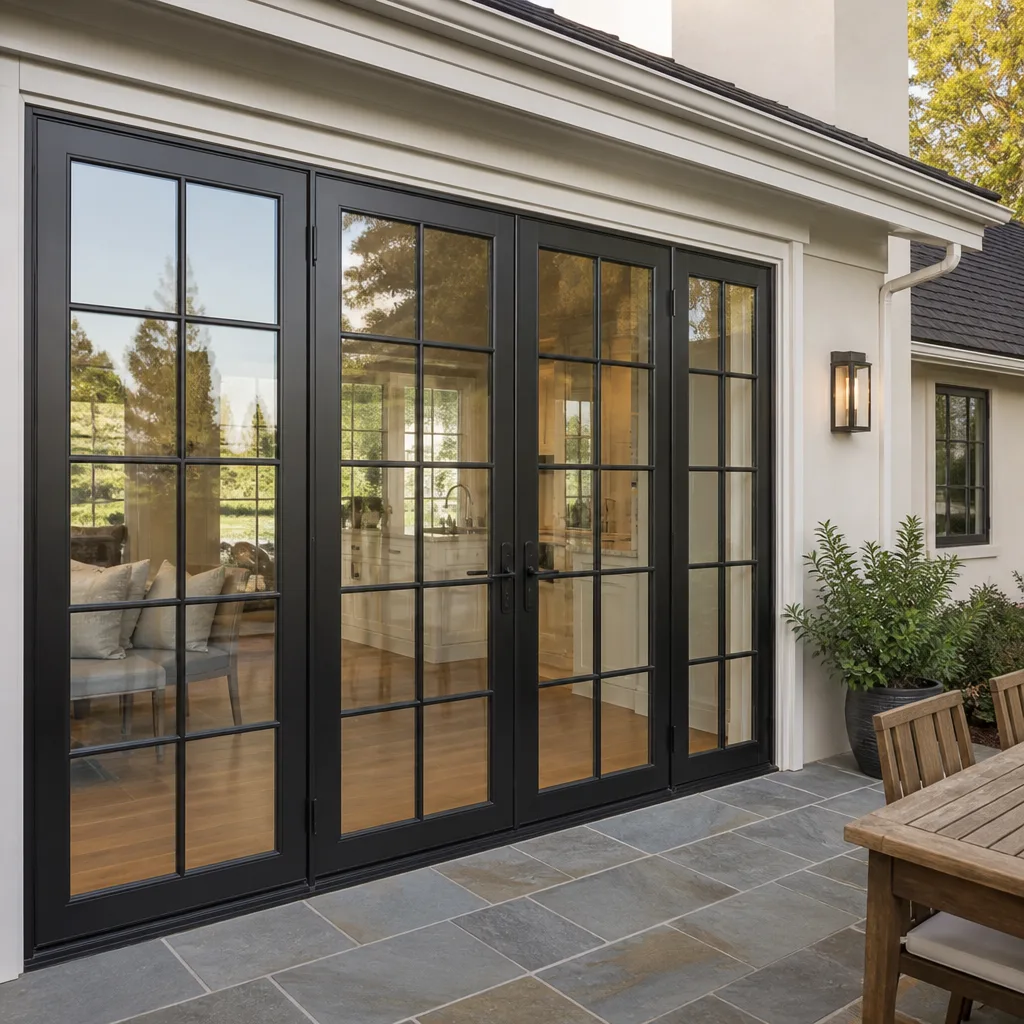 CGI
CGIFree in-home measure and quote - PGT, CGI and CWS impact lines compared on your actual openings, style by style
Get your free estimateThe Complete Guide to Windows & Doors in Long Beach
Long Beach has more pre-1980 housing stock than the California average, and the salt air off Alamitos Bay can corrode an uncoated aluminum frame in under five years. Walk down any block in Belmont Heights or Bluff Park and you’ll see it: windows that look tired at year three, doors that swell in the marine layer, and homeowners who were handed a product catalog written for Phoenix or Portland. This guide is different. We’re going to walk through how Long Beach’s specific conditions – the salt, the humidity, the historic districts, the changing energy codes – should shape every window and door decision you make, from frame material to glass coating to the way you read a written quote. By the end, you’ll know exactly what to ask for, what to avoid, and which numbers on the label actually matter for a house three blocks from the water.
Quick Answer
A complete windows and doors plan for a Long Beach home starts with three things: choosing a frame material that can handle coastal salt and marine-layer humidity (fiberglass, vinyl, or clad wood typically outperform bare aluminum), matching the glass spec to your home’s orientation and the neighborhood’s rules (west-facing bedrooms need different solar control than north-facing living rooms), and working with a contractor who puts the full price in writing before any work starts. Long Beach’s mix of historic overlay zones, Title 24 energy requirements, and proximity to salt water means the right window for a Craftsman bungalow in Rose Park is not the same as the right window for a 1990s tract house in Bixby Knolls. Most full-home window replacements in Long Beach currently run between $600 and $1,400 per opening, installed, depending on the material, glass package, and how much interior trim work the job requires.
Styles & brands we work with
Table of Contents
- How Long Beach’s Coastal Air Ranks Window Frame Materials
- Historic Overlay Zones and What They Mean for Your Windows
- Title 24 Energy Requirements for Los Angeles County in 2026
- Room-by-Room Glass Specs: Why Orientation Changes Everything
- Doors in Long Beach: Material, Hardware, and the Marine Layer Problem
- How to Read a Written Window Quote So the Numbers Don’t Blur
- What to Look for in a Long Beach Window and Door Contractor
- Common Mistakes to Avoid
- When to Call a Professional
- Frequently Asked Questions
How Long Beach’s Coastal Air Ranks Window Frame Materials
Here’s the thing most national buying guides get wrong: they rank frame materials by energy performance alone, as if every house sits in the same climate. Long Beach doesn’t. The air here carries salt mist from the Pacific, and that salt settles on window frames the way it settles on patio furniture. It also accelerates oxidation on certain metals and holds moisture against painted surfaces longer than inland air does. That changes the ranking.
Fiberglass frames sit at the top for most Long Beach homes within two miles of the coast. They don’t corrode, they don’t warp in marine-layer humidity, and they expand and contract at nearly the same rate as glass, which means seals stay tight longer. Vinyl is a close second and the most common choice we install in places like Los Altos and El Dorado Park. Quality vinyl holds up well against salt exposure, but not all vinyl is equal; thinner profiles can get brittle after years of direct sun. Clad wood, where the interior is wood and the exterior is an aluminum or fiberglass coating, works beautifully in older homes where the interior look matters, but the exterior cladding quality varies. Uncoated aluminum is the material we talk people out of most often in Long Beach. Pitting shows up fast, especially on ocean-facing elevations, and once the powder coat fails, there’s no rehab, only replacement. Solid wood windows without exterior cladding are another caution here; they need repainting far more often in this humidity, and the salt works into the grain over time.
For doors, the marine layer creates a different problem. Wood doors on west-facing entries swell and stick in humid months, then shrink and leave gaps when the Santa Anas dry everything out. Fiberglass doors, especially brands like Therma-Tru, handle that cycle better. If you’re replacing a door within sight of the water, ask about marine-grade hinges and hardware; standard steel hinges rust sooner than most people expect.
Historic Overlay Zones and What They Mean for Your Windows
Long Beach has 20-plus historic districts and landmark overlay zones, and if your house sits inside one, your window and door choices narrow before a contractor ever rings your bell. The city’s Cultural Heritage Commission reviews exterior changes in these districts, and that review often extends to window style, material, and even the method of replacement. This matters because certain neighborhoods – Bluff Park, Belmont Heights, Rose Park, the Wilmore City Historic District – have guidelines that favor wood windows, specific muntin patterns, or painted finishes that match the original character of the home.
Here’s the practical version of what to know before you shop. First, determine whether your property sits in an overlay zone. The city’s Historic Preservation program maintains a map, and a quick check before you fall in love with a window style saves weeks of back-and-forth later. Second, understand that “like for like” replacement, where the new window matches the old window’s material and divided-light pattern, moves through the process fastest. Third, know that vinyl windows in historic districts often require justification that other materials can’t meet the same aesthetic. Some districts allow them; some don’t. Fourth, doors matter too. A Craftsman home in Rose Park with a period-appropriate door maintains its value and its character in ways that a generic steel door would not.
For the real nuance of what’s changed in the last few years, check our detailed write-up about how window replacement in Long Beach plays out in historic districts versus newer construction zones.
Title 24 Energy Requirements for Los Angeles County in 2026
California’s Title 24 building energy code updated again for 2026, and Los Angeles County, including all of Long Beach, sits in a climate zone that requires a maximum U-factor and a maximum Solar Heat Gain Coefficient on every new or replacement window. The specific thresholds depend on whether your home falls under the standard residential path or the prescriptive compliance path, but the practical takeaway is this: the window sticker now carries more weight than the window salesman does.
When you’re looking at a window label, you’ll see two numbers worth knowing. The U-factor measures how well the window keeps heat from passing through; lower is better for the marine-influenced, mild winters here. The Solar Heat Gain Coefficient, or SHGC, measures how much solar heat comes through the glass; lower is better for west-facing windows that catch the afternoon blast. In Long Beach, most code-compliant residential windows now need a U-factor of 0.30 or lower and a SHGC that varies by window orientation and overhang. That orientation adjustment is the part homeowners don’t hear enough about: the code gives credit for facing and shading, so a north-facing window and a west-facing window in the same house don’t have the same SHGC requirement.
Dual-pane low-E glass is the baseline for virtually everything installed now. Triple-pane exists and gains traction in places with real winters, but for most Long Beach homes, a quality dual-pane low-E unit from manufacturers like CWS, ES Windows, or ECO Window Systems meets or exceeds the 2026 thresholds without the added weight and cost. The more relevant conversation is which low-E coating goes on which side of the house.
Room-by-Room Glass Specs: Why Orientation Changes Everything
Most window shopping starts with the frame and ends with the price. Glass gets treated as an afterthought, a default checkbox. That’s backwards for a Long Beach home, because the right glass package on the right side of the house is the difference between a bedroom that’s comfortable at 4 p.m. in August and one that needs blackout curtains and a portable AC unit.
Here’s how we think through glass, room by room:
- West-facing bedrooms: These rooms take the worst of the afternoon sun. If your bedroom faces west in Naples or the Peninsula, you want a lower SHGC, typically in the 0.25 range or below, with a low-E coating that reflects infrared heat while letting visible light through. This is the single highest-impact glass decision in most Long Beach homes.
- South-facing living rooms: South-facing glass gets consistent sun through most of the day, but at a less punishing angle than west-facing. A moderate SHGC of 0.25 to 0.30 with a standard low-E coating handles both the heat and the light. Good daylight without the bake.
- North-facing kitchens and bathrooms: North-facing glass gets almost no direct sun; heat gain is a non-issue. Here you prioritize visible light transmission over solar control. A higher SHGC is fine, and some homeowners skip the heavy solar coatings in favor of maximum clarity.
- East-facing breakfast nooks and home offices: Morning sun is intense for a few hours and gone by noon. A low SHGC matters here too, not because the room overheats all day, but because an east-facing home office becomes unusable during the 8 a.m. glare without it.
The brands we lean on for coastal glass packages include CGI, CWS, ES Windows, and ECO Window Systems; each handles different price points and performance targets. What matters more than the brand name on the sash is that the glass spec matches the room. An installer who gives you the same glass package for every window on the house isn’t doing the job a coastal home requires.
For homeowners starting a full-home project, the window installation process in Long Beach has its own series of steps, from permits to the final walkthrough, that starts with the glass conversation, not the caulk gun.
Doors in Long Beach: Material, Hardware, and the Marine Layer Problem
Doors fail differently in Long Beach than they do inland, and the failure mode is usually slow. A front door in a dry climate lasts decades with minimal attention. A front door three blocks from the water deals with daily humidity swings, seasonal salt residue, and the occasional jamb-rattling from earthquake settlement. Frame material, hinge hardware, and weatherstripping all need to be chosen with that environment in mind.
Fiberglass doors continue to be the most practical choice for Long Beach entries. They don’t absorb moisture the way wood does, they don’t dent the way steel does, and modern wood-grain finishes are convincing enough that many historic district owners choose fiberglass specifically because it passes visual review and stays stable. Steel doors work but show their age faster in coastal air; any scratch that reaches bare metal becomes a rust spot within a season. Solid wood doors have the most character, no argument, but they demand annual sealing and still move with the humidity.
Hardware is where people forget the coast entirely. Standard interior-grade hinges on an exterior door near the beach rust within two years. Look for marine-grade stainless steel or at minimum solid brass. Weatherstripping should be compression-fit, not adhesive-backed felt, which peels under repeated humidity cycles. And threshold design matters; a properly sloped threshold keeps driving rain from pooling against the door sweep during winter storms off the coast.
When it’s time, the door installation process in Long Beach covers the structural side, including frame repair, rot remediation, and proper flashing, which matter more in this climate than the door slab itself.
How to Read a Written Window Quote So the Numbers Don’t Blur
Here’s a scene we’ve watched play out too many times: a homeowner gets three window quotes, compares the bottom-line numbers, and picks the lowest. Six weeks into the project, they discover that “installation” on the low quote didn’t include interior trim replacement, window disposal, or stucco repair. The final bill lands higher than the highest quote they received. The problem isn’t that contractors are dishonest; it’s that quotes are written in different formats, and the categories blur together.
What separates a clear quote from a vague one is line-item specificity. Here’s how to read one:
- Separate the product cost from the labor cost. A good quote shows each window’s model, size, glass package, and price, then shows installation labor as its own line. If the quote only gives one lump sum for the whole project, ask for the breakdown.
- Look for the “not included” section. Many quotes don’t say what’s excluded. Does the price include hauling away old windows? Does it include repainting interior trim if it gets scuffed? Does it include stucco patchwork around exterior openings? If it’s not written as included, assume it’s not.
- Check for a payment schedule tied to milestones. Paying too much upfront shifts the risk to you. A standard residential schedule is a deposit, a progress payment at a defined milestone, and a final payment after the walkthrough.
- Verify the warranty is in writing, not spoken. “We stand behind our work” means nothing if it’s not on the page. Look for the specific length of the workmanship warranty and the process for making a claim.
This is also where the promise of written pricing before any work starts matters. Without a written price, every verbal estimate is negotiable after the fact. With one, the number you agree to is the number you pay.
What to Look for in a Long Beach Window and Door Contractor
Long Beach has no shortage of window contractors. The challenge isn’t finding one; it’s finding one whose process matches what your home actually needs, and whose on-site behavior matches what your family deserves. When we talk to homeowners who’ve been burned before, the same stories come up: crews that left dust on the floors, technicians who moved furniture without asking, a final bill that didn’t match the estimate.
Here’s a practical checklist:
- Written pricing before work starts. Not a verbal range. Not a “we’ll see how it goes.” A written price, signed, before a single window comes off the truck.
- Clear arrival expectations. You should know who is coming to your door, when, and what they look like before they knock. Background-checked, uniformed technicians aren’t a luxury; they’re basic safety for a family with kids.
- Documented cleanup. Ask how the crew protects floors, furniture, and the path from the door to the work area. Shoe covers, drop cloths, and a photo of the cleanup before leaving are reasonable expectations.
- A workmanship warranty with teeth. Everyone says they do good work. The question is what happens when something isn’t right. A 365-day promise in writing means the installer has to fix it, not argue about it.
- Local product knowledge. A contractor serving Long Beach should know which frame materials hold up in Naples, which historic districts require wood-look profiles, and which glass packages make sense for a west-facing bedroom in Bixby Knolls.
We started Lightwell Windows Long Beach because we saw too many Long Beach families handed catalogs that ignored the coast. A light well is what brings daylight deep into a building, and that is what a well-installed window should do for your home. The selection of eight manufacturer brands is deliberate: the recommendation should fit the home, not the installer’s preferred vendor. If you’re deciding between contractors, use the Lightwell Windows Long Beach home page as a reference for what a complete, written-price process looks like.
Common Mistakes to Avoid
- Choosing frames before understanding your home’s exposure. A north-facing bungalow in California Heights has different needs than a west-facing condo in Bluff Park. Pick the frame material after you know how the salt and sun hit your specific elevation, not before.
- Ignoring the historic overlay check. Falling in love with a window style that your district won’t approve wastes weeks and creates rework. Check the historic status before you shop, not after you sign.
- Comparing quotes by bottom line only. The lowest price often means the most exclusions. Read every line item, especially the “not included” details, before ranking your options.
- Treating all glass packages as equal. A standard dual-pane unit on a west-facing bedroom will roast the room in summer. Orientation-specific glass specs are the single most overlooked upgrade in Long Beach window projects.
- Skipping written confirmation of cleanup and protection. Floors, rugs, furniture, and pet areas all need explicit protection. If the quote doesn’t say how the crew protects those surfaces, the dust will tell you later.
- Waiting until a window fails completely. Long Beach’s coastal air turns a small seal failure into a bigger problem faster than inland air does. Catching rot, condensation, and frame corrosion early saves money and preserves the surrounding wall.
- Choosing hardware that rusts. Standard hinges and handles on exterior doors near the coast fail fast. Marine-grade hardware costs a little more and lasts far longer.
When to Call a Professional
Some window and door projects are genuinely simple. Replacing a single pane of glass, lubricating a sticky hinge, tightening a handle – these are reasonable weekend fixes. Other situations need a trained professional, and ignoring the line between the two is how small problems become structural ones. Call a professional when you see water staining around interior trim, when a window’s seal has failed and condensation persists between the panes, when a door frame shows rot or settling cracks, or when you’re planning a multi-window replacement that involves Title 24 compliance and historic district review. Incorrectly flashed windows leak into wall cavities, and the resulting damage often stays hidden for years. Lightwell Windows Long Beach offers free estimates in Long Beach – call (562) 912-3327 to schedule one. We’ll look at your openings, check the existing flashing and trim, and give you a written price for the full scope before any work begins.
Frequently Asked Questions
Most window replacements in Long Beach run between $600 and $1,400 per opening, installed, with the range driven by frame material, glass package, and the condition of the surrounding trim and stucco. A standard vinyl window with dual-pane low-E glass typically lands between $600 and $900 per opening, while fiberglass and clad wood options run higher. Call (562) 912-3327 for an exact quote on your specific openings – estimates are free and the price is written down before any work starts.
Most straightforward window replacements in Long Beach, where the opening size doesn’t change and structural framing isn’t altered, fall under the city’s minor repair and maintenance provisions. However, historic overlay zones, structural changes, and certain door installations trigger permit requirements, and Title 24 compliance documentation must be completed regardless of permit status. A contractor familiar with Long Beach’s process should handle this for you.
Fiberglass and quality vinyl frames hold up best against Long Beach’s salt-laden coastal air, because neither corrodes like bare aluminum or absorbs moisture like solid wood. Clad wood works well for historic homes where interior wood appearance matters. Bare aluminum is the material most likely to pit and fail early in neighborhoods like Naples, the Peninsula, and Bluff Park.
Long Beach’s marine layer creates daily humidity swings that cause solid wood doors to absorb and release moisture, which makes them expand, contract, and stick in the jamb. Fiberglass doors, which don’t absorb moisture, are the most practical fix, and marine-grade hardware prevents the rust that often accompanies the swelling problem.
As of 2026, Title 24 energy standards for Los Angeles County require replacement windows to meet specific U-factor and SHGC maximums, generally a U-factor of 0.30 or lower and solar heat gain limits that vary by window orientation and overhang. Dual-pane low-E glass is the practical baseline for compliance. The window label itself carries the performance values, and those numbers matter more than the sales language around them.
A written window quote should separate product cost from installation labor, list every window by model and glass package, specify what’s excluded, state the payment schedule, and include the workmanship warranty in writing. If those line items aren’t on the page, the final bill is open to change. Call (562) 912-3327 for a written quote that spells out every line before work starts.
The Bottom Line
Long Beach asks more from windows and doors than most California cities do. Salt air, marine humidity, historic districts, and a Title 24 energy code that gets stricter with each cycle all shape the right choice for your home, and generic guides miss all of it. Frame material, glass spec, door construction, and contractor selection each have a Long Beach-specific answer. Get the glass matched to the room’s orientation. Get the price written down before anyone touches the house. And get a contractor who protects your floors, your furniture, and your family’s schedule the same way they protect their own. That’s the whole job. Door installation in Long Beach and window installation in Long Beach both start with a conversation about the conditions on your specific block. We’re happy to have it.
Written by Keith Yamada, Owner at Lightwell Windows Long Beach, serving Long Beach since 2010.
See the difference
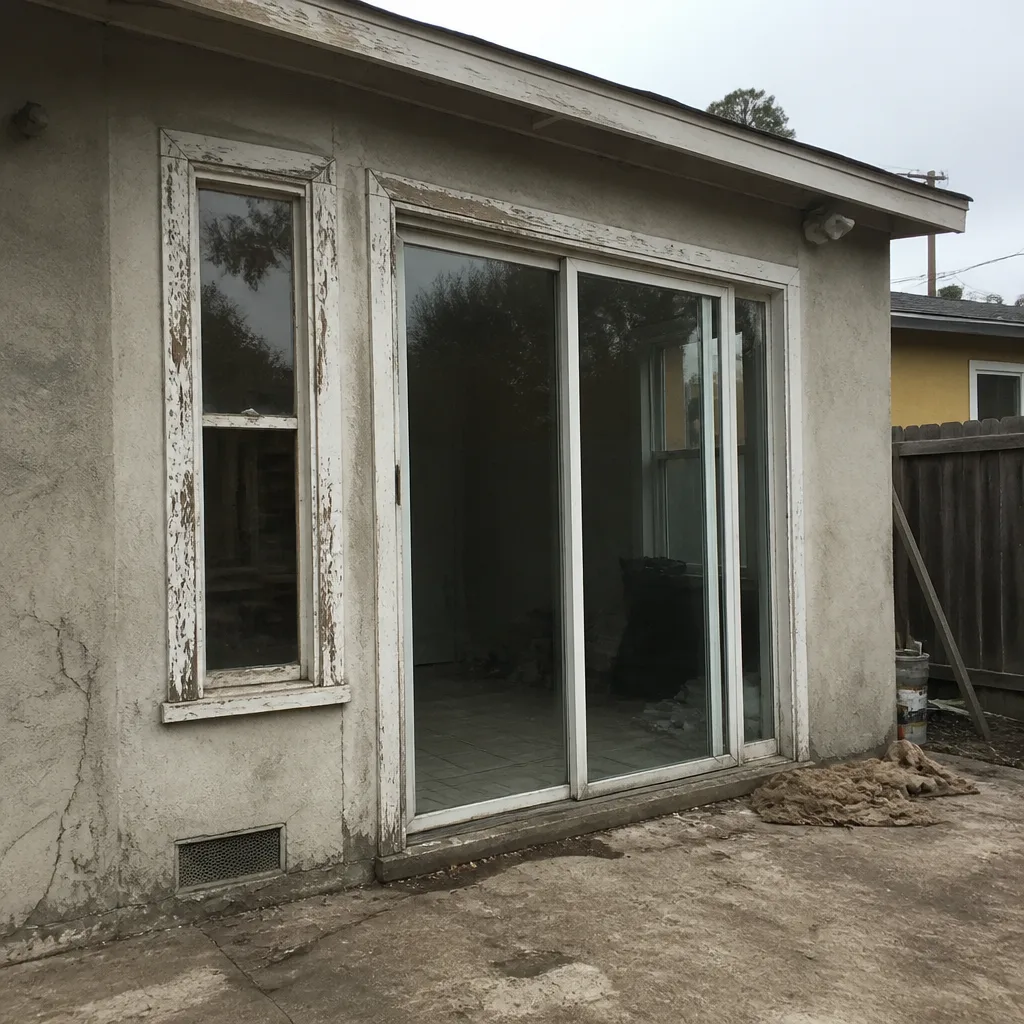 Before
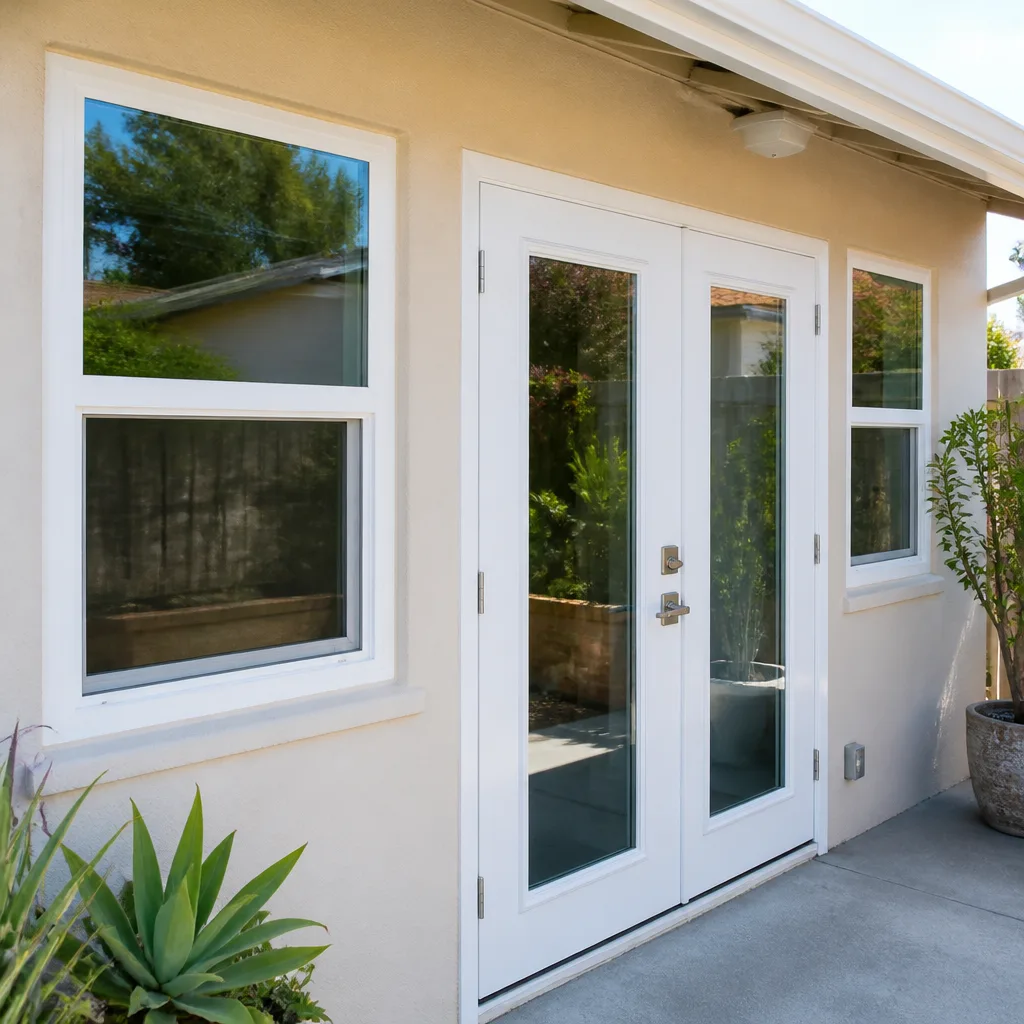 After
After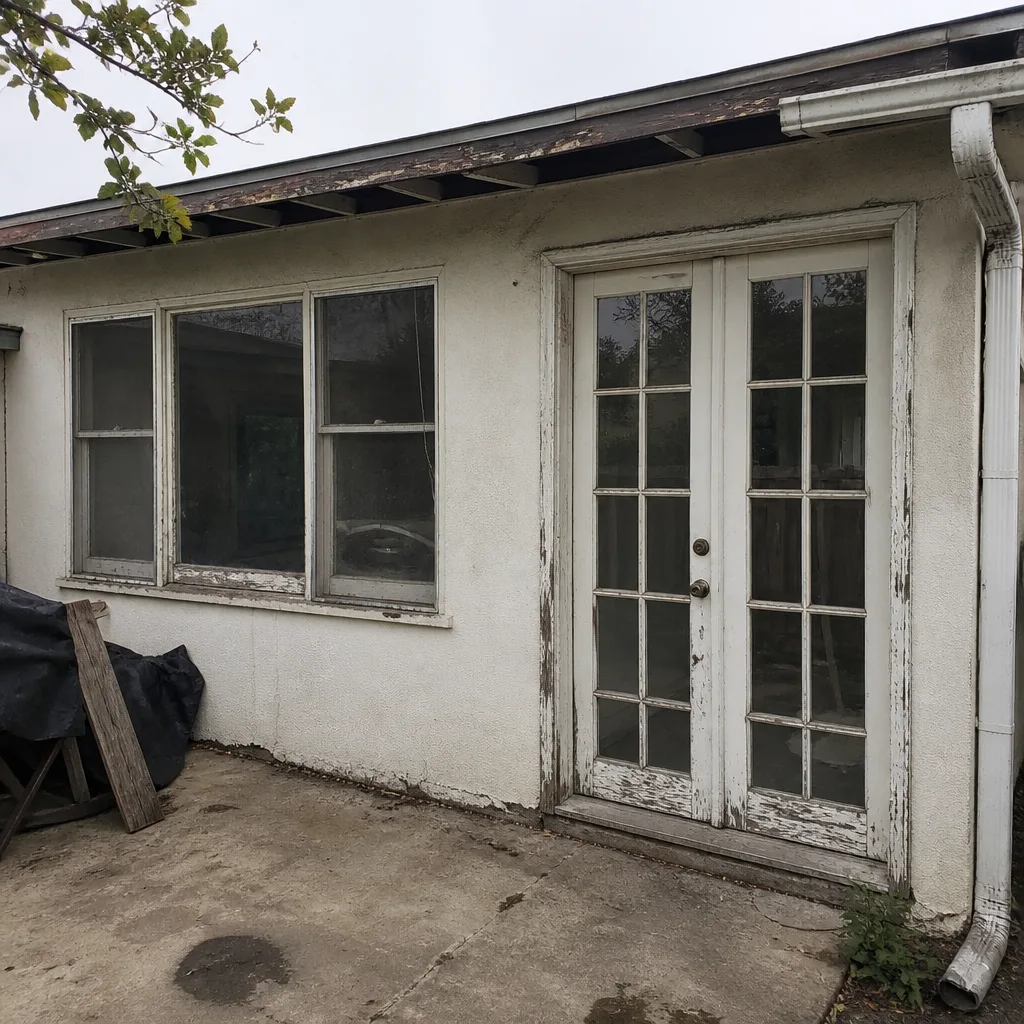 Before
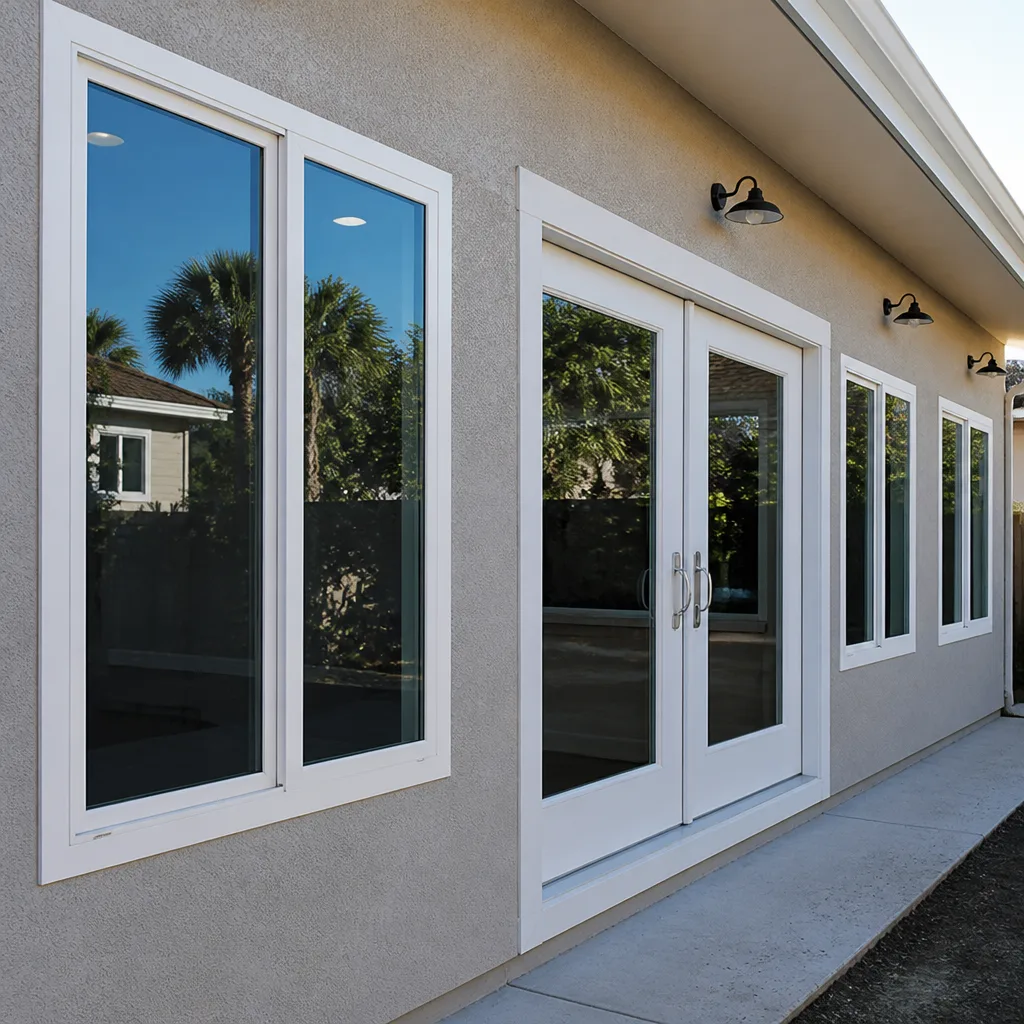 After
After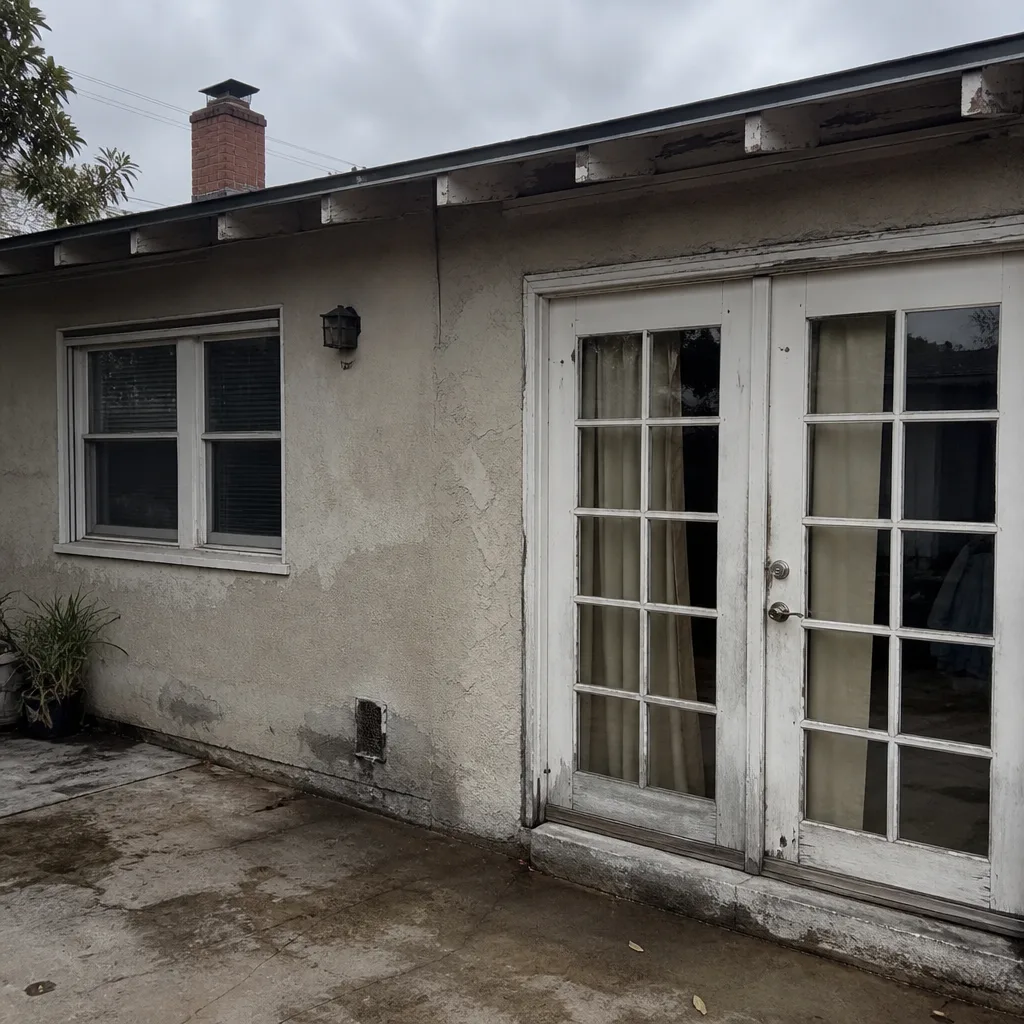 Before
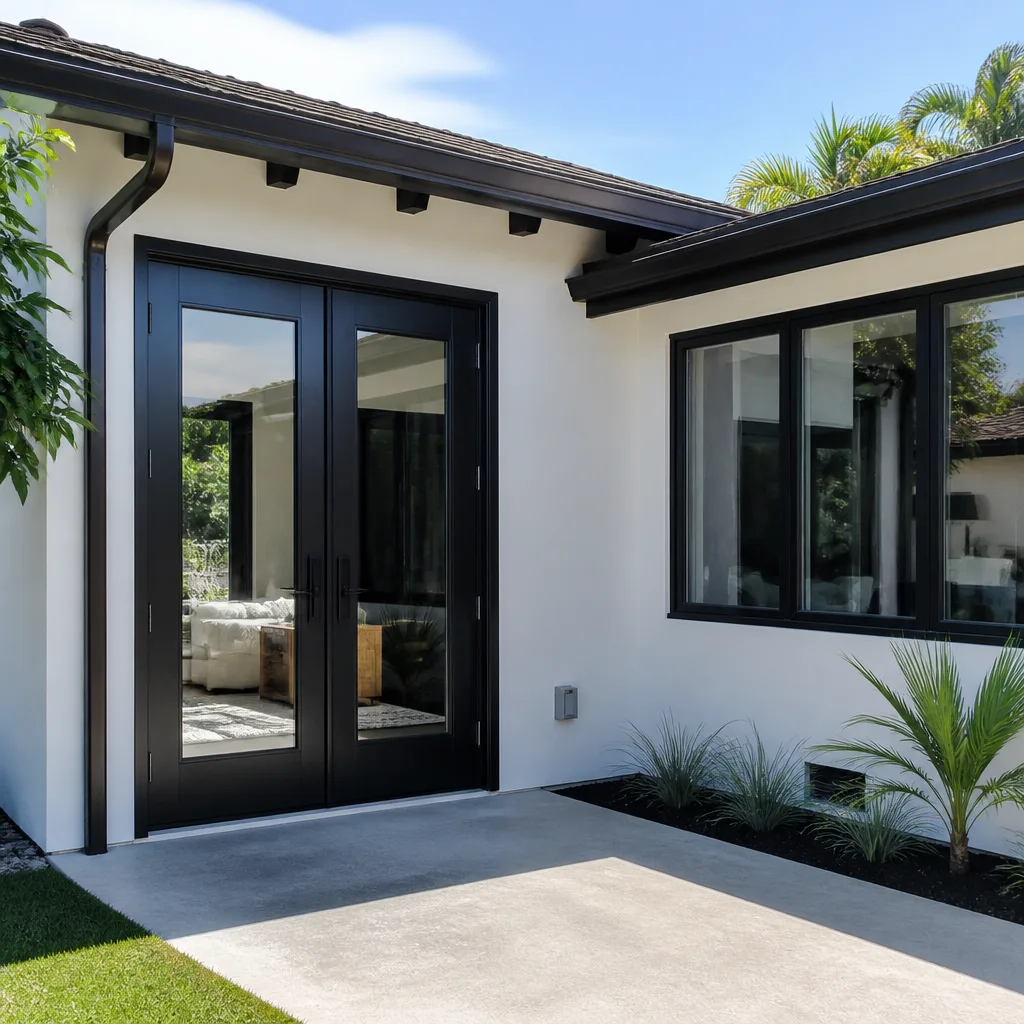 After
AfterSix Reasons Homeowners Choose Lightwell Windows Long Beach
Laminated glass and reinforced frames hold up to wind-driven rain, hail and flying debris, so your openings stay sealed when the weather turns.
Low-E insulated impact glass from our manufacturer lines commonly cuts monthly cooling bills 20-30%.
Laminated impact glass shuts out up to 40% of outside noise - traffic, neighbors, weather.
Monitoring services run $30-90 a month. Laminated impact glass resists forced entry around the clock, with no subscription.
Tighter seals and insulated glass even out hot and cold rooms and stop the drafts at the frame.
A full impact package upgrades curb appeal, buyer confidence and appraised value in one project.